


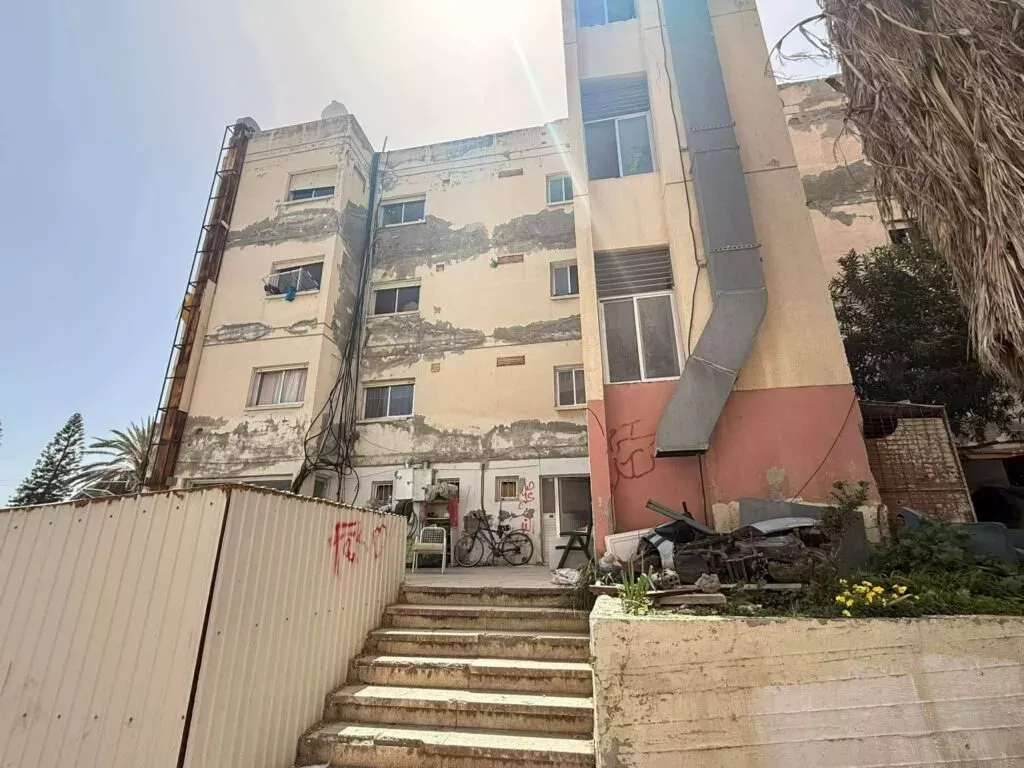
The Limassol District Local Government Organisation has been fielding a sharp rise in inquiries from prospective property buyers and co-owners since the collapse of an apartment block in Germasogeia on April 11, which killed two people.
According to Phileleftheros sources, citizens looking to invest in or purchase property have been contacting the DLGO to ask whether specific buildings are safe to buy.
Others have been raising disputes between co-owners or complaints about unresponsive building management committees — matters that, the DLGO notes, fall outside its remit, as it does not operate as a mediation or dispute resolution service. The volume of inquiries has placed additional pressure on the organisation’s services.
In a statement issued yesterday, the DLGO Limassol used the ongoing public debate about dangerous buildings to set out where responsibility lies. The safety, maintenance and structural adequacy of every building rests primarily and exclusively with its owners and, where applicable, the management committees of jointly owned properties, the organisation said.
Monitoring a building’s condition and taking timely action on inspections, maintenance, repairs and the removal of potential hazards is a legal obligation directly linked to the protection of human life and public safety, the DLGO added.
The organisation also clarified that its institutional role does not include the continuous inspection or certification of privately owned buildings, nor does it substitute for the obligations of property owners.
The DLGO called on all owners and management committees to commission checks without delay from qualified professionals registered with ETEK, and where required, from firms listed on the Register of Study Companies.
Particular attention, it said, should be paid to older buildings or those showing signs of deterioration — cracks, detaching materials, corroded reinforcement, damp, deformation or subsidence — which may indicate a worsening structural condition.
Read more:

