


Citizens and a private investor will each pay half the cost of connecting the abandoned Limassol village of Trozena to the electricity grid, as a development project targeting 60 homes, a winery and a campsite moves forward, the community leader has told Phileleftheros.
The total electrification cost will reach approximately €370,000, according to Giannakis Giannaki, community leader of Arsos-Trozena-Gerovasa. He said the investor agreed to cover half, with the remainder to be met from public funds.
The cost of connecting the village to the water supply has yet to be determined.
Asked why the investor was not bearing the full infrastructure cost — given that the development would be the primary beneficiary — Giannaki said that existing homeowners who chose to renovate their properties would also benefit from the electricity connection.
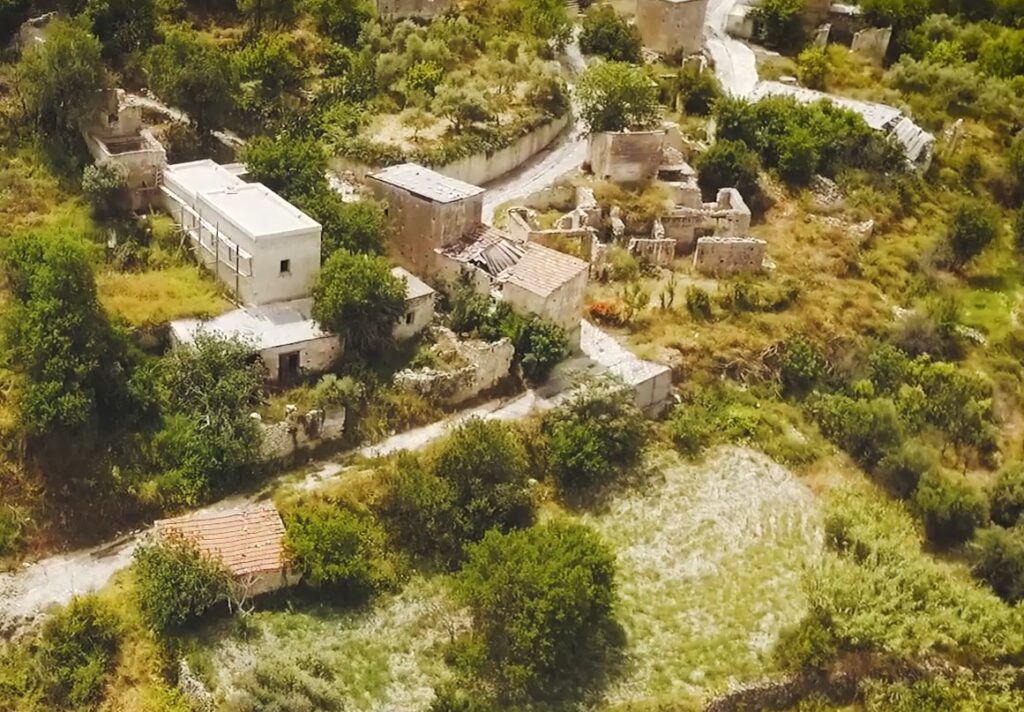
He added that Trozena had never been connected to the grid, and that this had been one of the main reasons the village was abandoned.
On water supply, he said boreholes would be drilled to increase available quantities, with the neighbouring community of Arsos potentially contributing water to ensure adequate supply for Trozena.
Planning and works
The developer has already purchased 15 of the approximately 30 derelict properties in the village and submitted a planning application to the Limassol district authorities around 18 months ago. The Arsos community council, which discussed the matter formally, supports the development on the grounds that it would bring broader economic benefit to the area and its residents.
The community leader said the existing structures were intended to be restored using stone, wood and roof tiles in keeping with their original character. However, technicians reviewing the application on behalf of the Limassol District Local Government Organisation (EOA) have indicated that, based on what they can observe, the plans point more towards demolition than restoration.
Giannaki said the investor is already improving the village’s roads at his own expense and has restored the Church of Agios Georgios, including the installation of toilet facilities.
“For our area, which has been neglected, the investment is considered very helpful, given that beyond the ten families already employed, more residents will be employed,” he said. Those already working on the site are planting trees, building terraces, restoring collapsed walls and laying out a nature trail. Some restoration of properties has also begun ahead of the planning permit being granted, he said.
The community leader said the projected completion timeline for the core development was approximately 18 months from the start of construction. Some works are already under way, though on a limited scale pending the planning permit.
Asked about the intended use of the new properties, Giannaki said the investor had informed him they would be offered for rental to retirees. The campsite is planned for agricultural land surrounding the village. For the winery, the investor has already planted vines across 150 stremmata of land.
Giannaki dismissed suggestions of impropriety, saying his involvement went no further than supporting what he considered to be the genuine interests of his community. He said the development also had the backing of community councillors and leaders from the wider area.
He voiced concern about the broader demographic trend, noting that Arsos — which once had 1,000 residents — now has around 100. “If nothing is done to support the area, it will end up as a second Trozena,” he said.
A village with a long history
The last resident left Trozena in 1980, according to Giannaki. Statistical Service census records show five people registered in 1982 and three in 1992. At its peak in 1946, the village had 133 residents; by 1960 the figure had fallen to just six, and the population remained in single digits until the village was effectively deserted.
Trozena was historically regarded more as an Ottoman çiftlik — a farming estate — than a conventional village community.
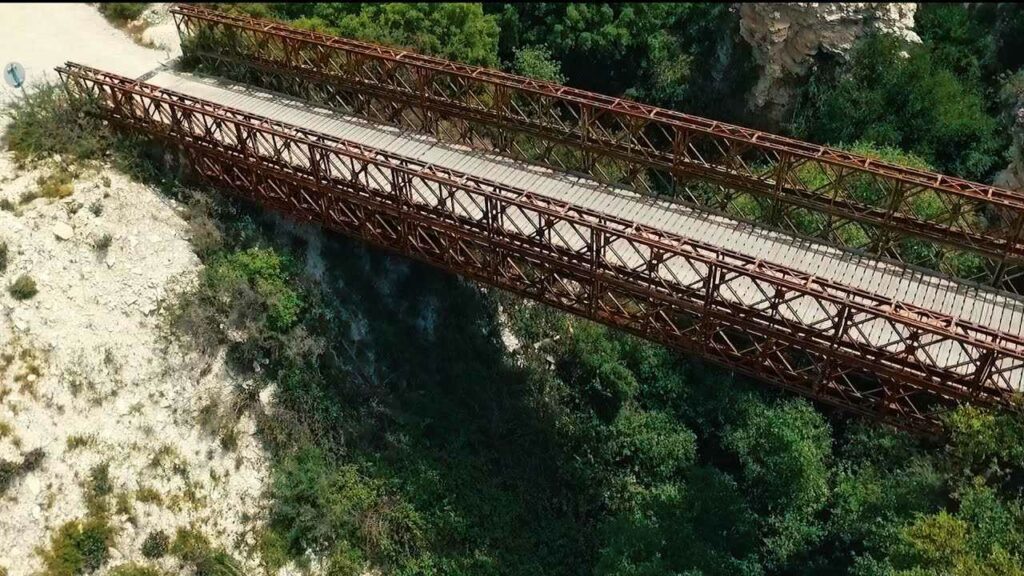
Among its notable features is a metal bridge built by the British to support their operations during the Second World War, which was later used during the EOKA period. It is considered one of the few surviving structures of its kind and design.
Despite decades of abandonment, the village continues to attract visitors drawn to the natural landscape of the area, according to the same sources.
Estimates of Trozena’s origins vary: some place its founding in the medieval period, while others trace its history back to ancient Greece, drawing a connection to Troezen, an ancient city of the Peloponnese.

