


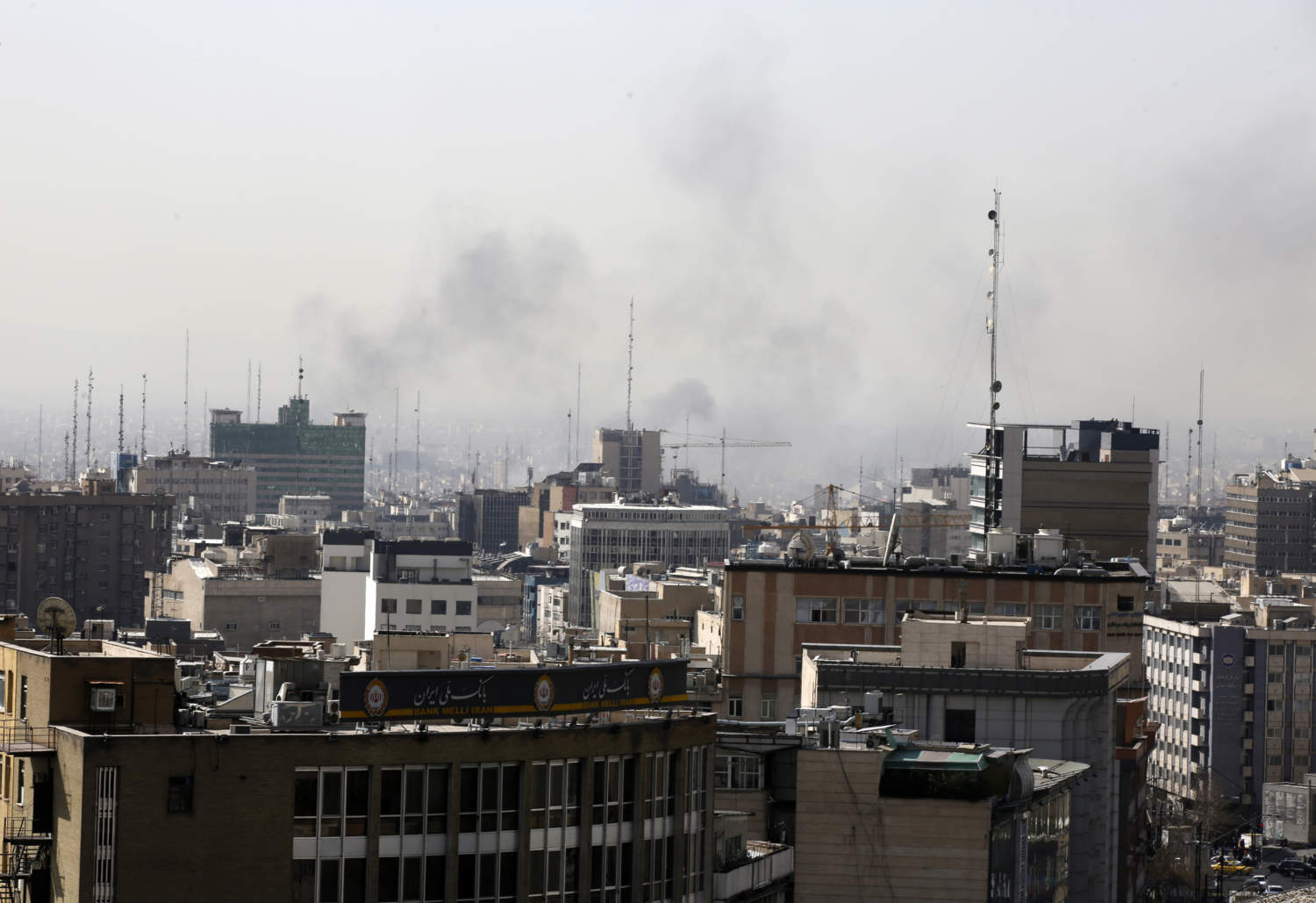
Long queues formed at petrol stations and many Iranians began heading out of cities in search of safety on Saturday as U.S. and Israeli strikes spread fear and panic throughout the country.
Explosions rocked Tehran and columns of smoke rose into the sky on Saturday morning, shaking the city at the start of the Iranian working week. One man, speaking to Reuters from the capital, said he was rushing to get his children from school.
“We are scared, we are terrified. My children are shaking, we have nowhere to go, we will die here,” said Minou, a 32-year-old mother of two from the northern city of Tabriz, one of many areas where explosions were reported. “What is going to happen to my children?,” she said, crying as she spoke by phone.
Iran’s top security body said it expected attacks to continue in Tehran and some other cities, urging people to “travel to other cities where possible so that you may remain safe from the harm of these two regimes’ acts of aggression.” Schools and universities would be closed until further notice.
Security forces blocked roads in the area of Tehran home to the offices of Supreme Leader Ayatollah Ali Khamenei, President Masoud Pezeshkian, and parliament, witnesses said.
The attacks came after the latest round of U.S.-Iran negotiations in Geneva on Thursday failed to secure a breakthrough over Tehran’s nuclear programme, though Omani mediators had reported progress.
“They said the nuclear talks are going well. They fooled us again,” said a resident of Tehran.
Witnesses said people were rushing to buy hard currency. In Isfahan, another area where attacks were reported, some said they were unable to withdraw cash from ATMs.
Opinions among Iranians were divided. A resident of the central city of Yazd said he hoped the attack would topple the clerical establishment that has run the country since the 1979 Islamic Revolution. “Let them bomb,” he said.
But Samira Mohebbi, speaking from the northern city of Rasht, disagreed. “I am against this regime, to hell with them. But I don’t want my country to be attacked by foreign forces, I don’t want my Iran to turn into Iraq,” she said, referring to the neighbouring country that suffered years of chaos and bloodshed following the U.S.-led invasion that toppled Saddam Hussein.
Reza Saadati, 45, said he was taking his family to the city of Urumieh near the Turkish border. “If the border is open, we will cross and then fly to Istanbul,” he said.
Mohammad Esmaili, 63, speaking from the town of Ilam, some 500 km from Tehran, said he would leave the town with his family. “God knows what will happen to us. Pray for us,” he said.
A mother of three from Tehran said: “People are shocked, scared. What is going to happen to us? Save us please.”
The strikes mark the latest upheaval for Iranians, coming just weeks after thousands of people were killed in a government crackdown on nationwide unrest, and eight months after last year’s 12-day war with Israel during which the United States bombed Iranian nuclear sites.
U.S. President Donald Trump said the operation, named “Operation Epic Fury” by the Pentagon, would end a security threat to the United States and offer Iranians a chance to topple their rulers.
(Reuters)
Read more:

