


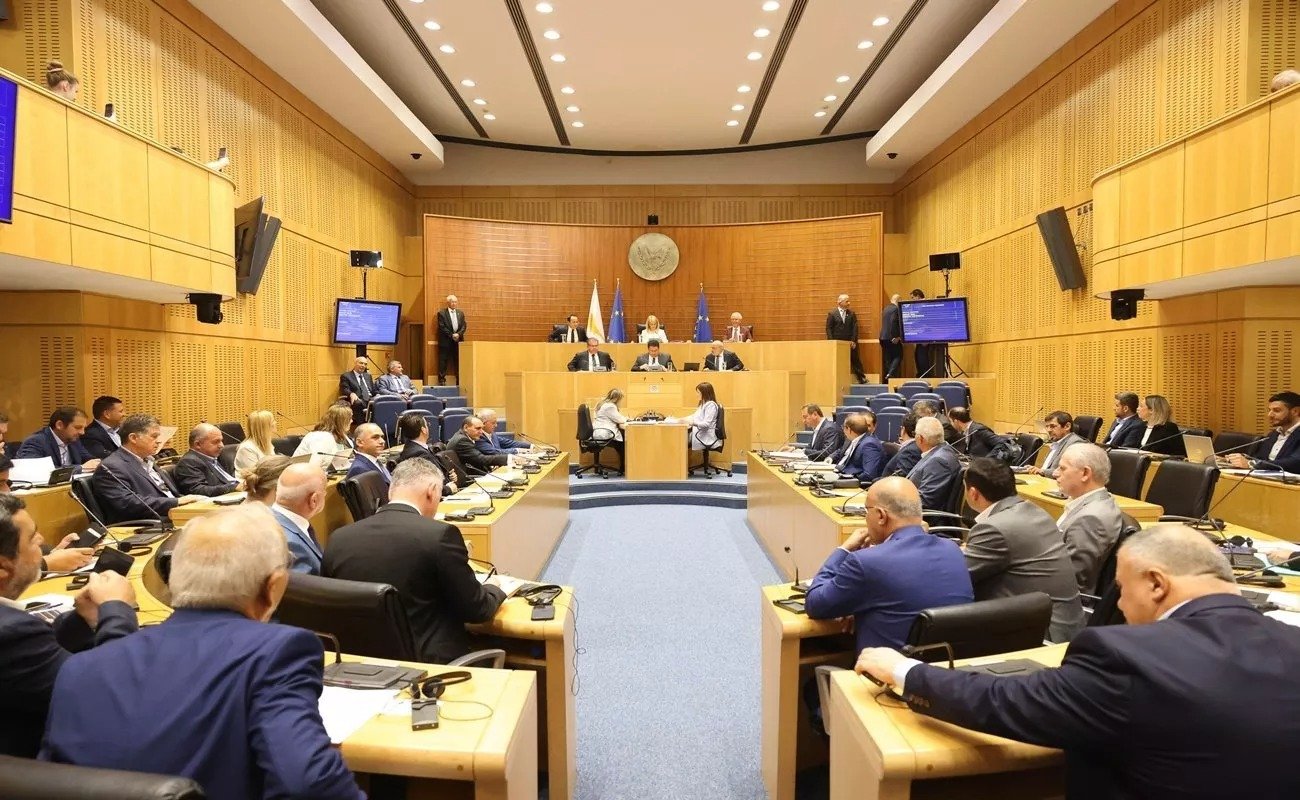
The government is pushing through legislation that will allow parliamentary candidates to have their nicknames, surnames, or how they are publicly known printed beside their names on ballot papers.
The bill, which the government is expected to table before Parliament, will let candidates avoid confusion caused by having the same name as others. Under the new rules, each candidate will appear on the ballot with whatever name or nickname they prefer.
Adding a “tail” beside a candidate’s name has happened in some cases in the past, but only as an exception and somewhat improperly. The practice will now become standard procedure.
Cyprus’s naming traditions
Philologist Yiorgos Hadjikostis, who has studied Cypriot names and authored “The Surnames of the Greeks of Cyprus”, previously explained to Phileleftheros that each person was traditionally known by their first name.
However, because names were not inexhaustible, the passage of time created confusion when many people shared the same name, leading to gradual references to the father’s or grandfather’s name.
According to Hadjikostis, many factors contributed to the formation of Cypriot surnames, including history, religion, traditions, social and other conditions of daily life, occupations, environment, people’s mentality, their powers of observation, customs and traditions, prejudices, family relationships and more. Many surnames are also products of the influence of Cyprus’s various conquerors over time.
Italian and Turkish had the greatest influence in shaping Cypriot surnames, with French and English playing smaller roles, he explained.
The fact that many Cypriots share identical first and last names stems from a long Cypriot tradition of naming children after their grandfathers.
Where there is no distinctive family surname, the result is names such as Andreas P. Andreou, Giorgos Ch. Georgiou, Aristos V. Aristou and so on, he said.

