


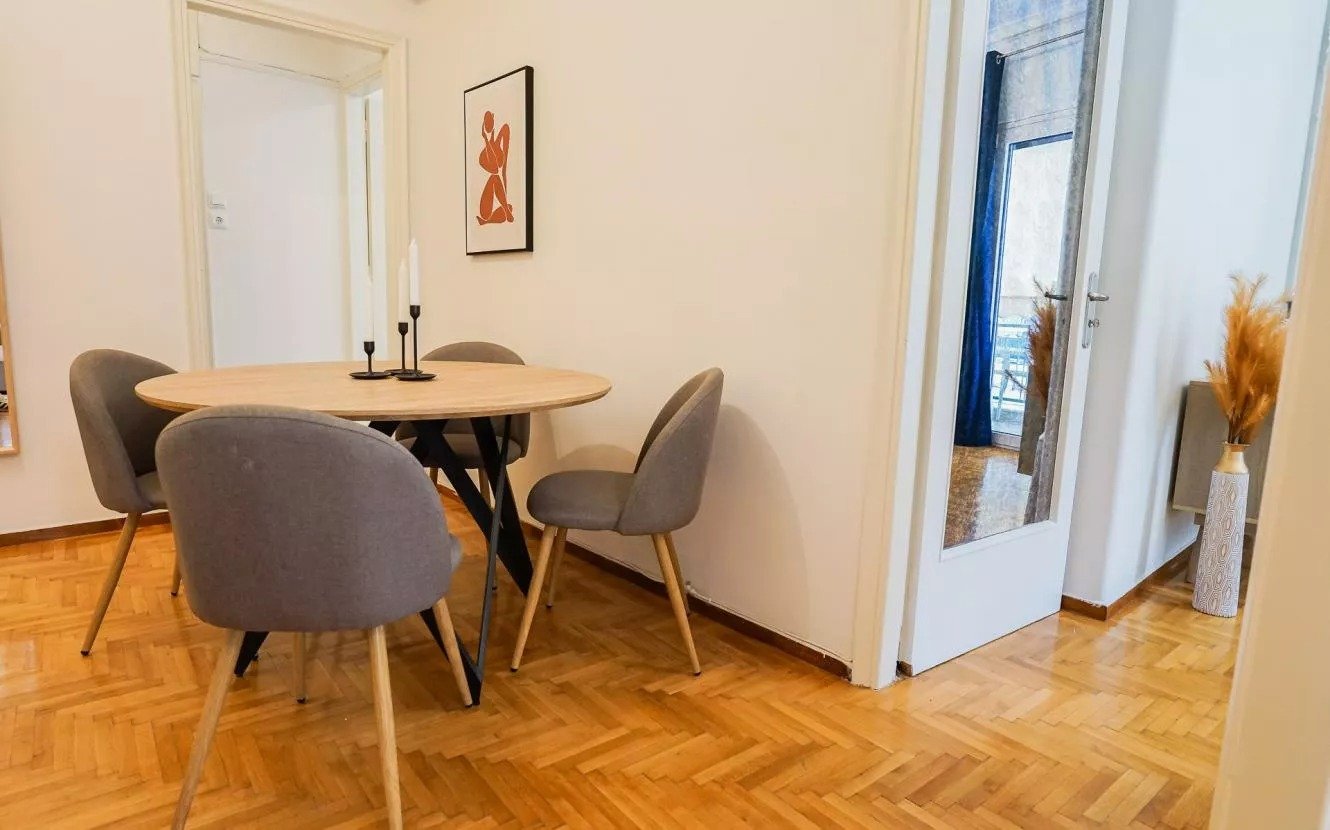
People seeking rental accommodation now face personal interviews where they must disclose their income and family status as property owners become increasingly selective amid a severe housing shortage.
The phenomenon is primarily attributed to high demand and limited housing supply, with prospective tenants competing intensely for properties considered reasonably priced compared to market rates.
This trend has intensified recently, with high rents failing to discourage applicants as housing needs take precedence.
While landlords have traditionally sought information about potential tenants, the current demand and multiple options available to property owners have made screening processes more stringent.
Income level and overall financial capability remain the primary criteria for property owners, according to rental market sources. Stable income, type of employment and deposit payments are decisive factors, but scrutiny extends beyond financial considerations.
Requirements vary depending on circumstances, with landlords sometimes requesting additional information about family status or pet ownership.
In many cases, pet ownership can be a disqualifying factor, as many landlords worry about property damage or disturbances.
While this concern existed previously, today’s market conditions and the abundance of applicants mean prospective tenants may be rejected due to pet ownership without being explicitly told.
Previously, property listings would clearly state “no pets allowed”, a practice that drew criticism from animal lovers and citizens who considered it unfair. Over time, this prompted some landlords to change their stance and accept pets as normal family members.
In today’s housing crisis, options for renting flats or houses are limited. When reasonably priced property becomes available, interested parties must prepare for intense competition.
Conversely, options for landlords have multiplied. Properties rarely remain vacant, and owners seldom offer them to the first interested party. Landlords now know they can choose among many candidates, sometimes raising not only rent prices but also their requirements.
Low-income earners face particular disadvantages in the current market. Beyond the already high rents, they must compete against dozens of other interested parties for few available properties, and even when they find affordable accommodation, they are often rejected due to income or family criteria.
According to the latest data from the Council of Real Estate Agents, Limassol residents continue to face the greatest challenges in renting flats, with prices exceeding €2,000.
Specifically:
Nicosia
- One-bedroom flat: From €600 to €650
- Two-bedroom flat: From €800 to €900
- Three-bedroom flat: From €1,000 to €1,100
Limassol
- One-bedroom flat: From €1,000 to €1,100
- Two-bedroom flat: From €1,400 to €1,500
- Three-bedroom flat: From €1,900 to over €2,000
Larnaca
- One-bedroom flat: From €500 to €600
- Two-bedroom flat: From €700 to €800
- Three-bedroom flat: From €900 to €1,000
Paphos
- One-bedroom flat: From €500 to €550
- Two-bedroom flat: From €700 to €800
- Three-bedroom flat: From €800 to €900
Read more:

