


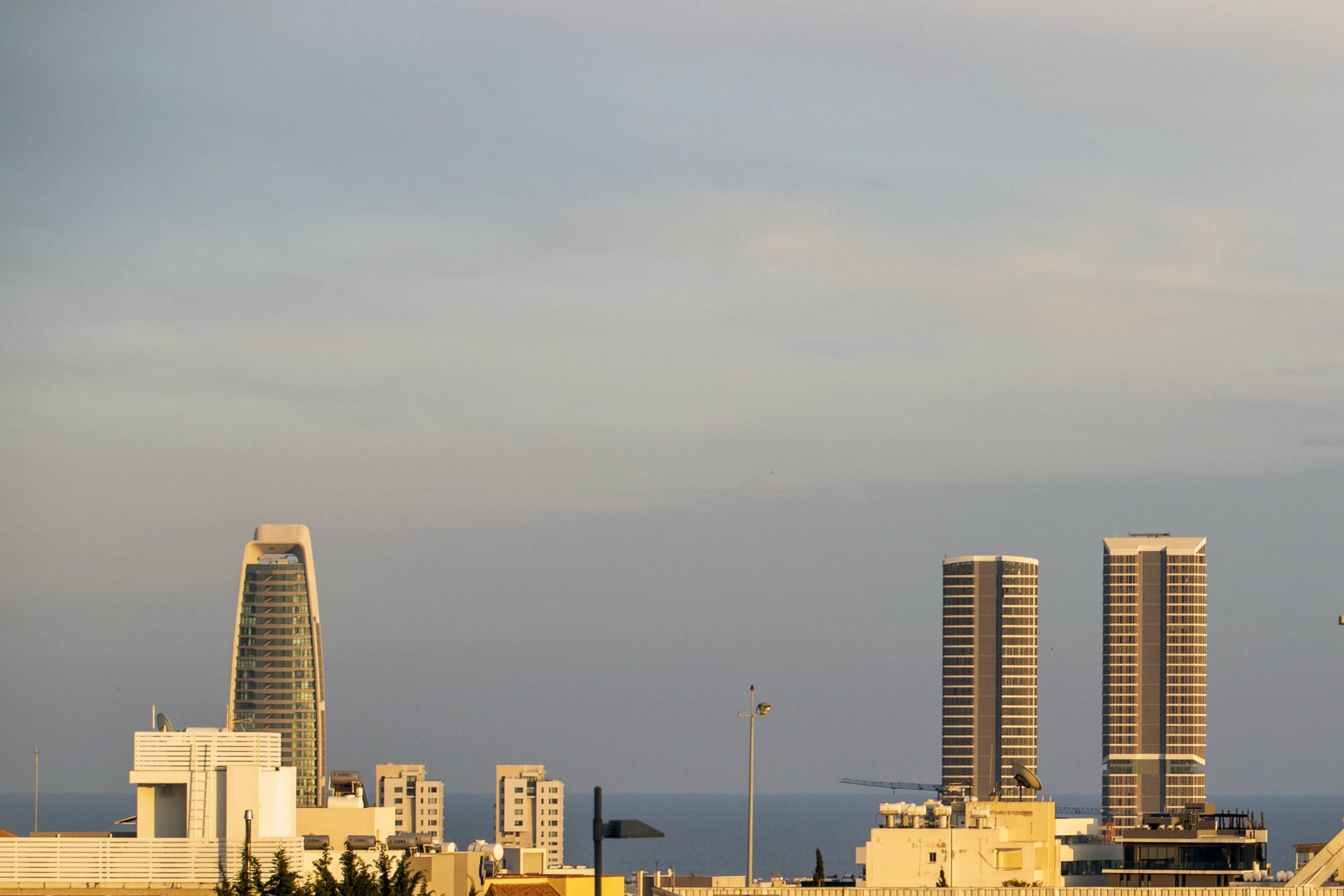
Three billion people worldwide live without adequate or affordable housing, transforming what should be a basic human right into a crisis of dignity, security and survival that spans from New York to Nicosia and Berlin to Cape Town.
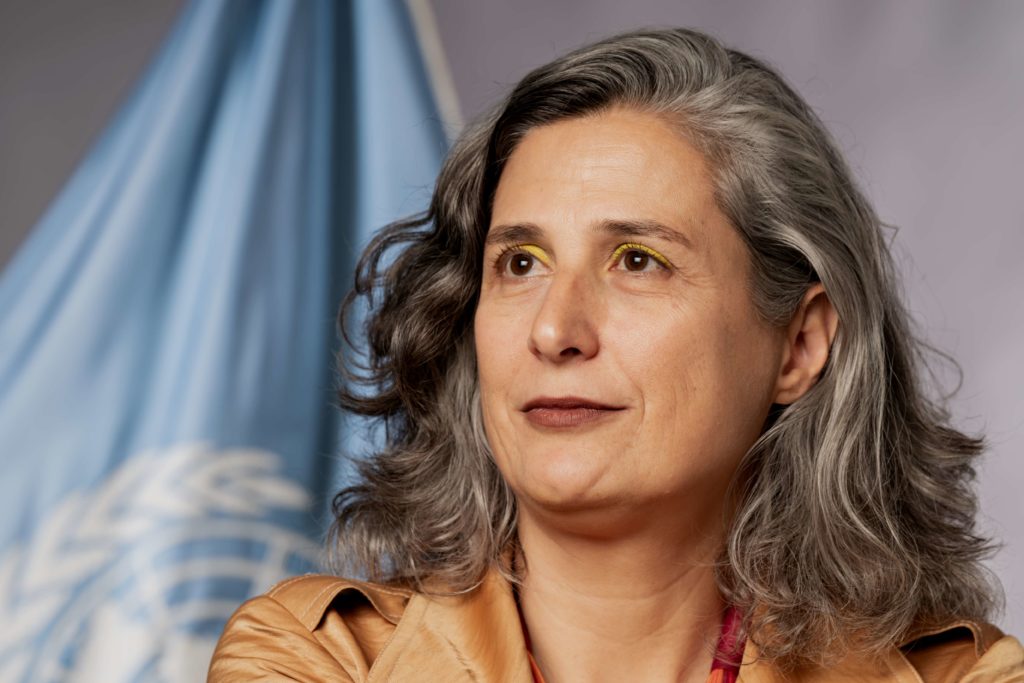
Anacláudia Rossbach, Executive Director of UN-Habitat, told Phileleftheros that the housing crisis extends far beyond construction materials. “The housing crisis is not just about bricks and mortar — it is a crisis of dignity, safety, health, and opportunity,” she said during the interview.
The crisis, deepening daily, stems not only from rapid unplanned urbanization and inequality but increasingly from climate change and armed conflicts. Without safe and decent housing, children struggle to study, families lack clean water and energy access, people are excluded from jobs and services, and communities remain vulnerable to climate shocks and health risks, Rossbach explained.
For smaller countries like Cyprus, the housing crisis often feels more acute due to the limited housing stock, restricted suitable land availability, greater import dependence, and constrained public budgets that complicate large-scale affordable housing provision.
Climate change is expected to worsen conditions significantly. “For Cyprus, this means more frequent heatwaves, chronic water shortages, and rising risks for coastal communities,” Rossbach warned. “Without decisive action, these threats will harm public health, livelihoods, and the housing security of thousands of families.”
How many people are currently affected by inadequate or unaffordable housing worldwide?
We are living through a global housing crisis. Nearly 3 billion people suffer from some form of housing inadequacy, more than 1.1 billion live in informal settlements and slums, and more than 300 million experience homelessness globally. The affordability gap has become a common denominator among the Global North and Global South. This crisis is deepening by the day, driven not only by rapid unplanned urbanization and inequality, but increasingly by climate change and conflict.
The climate crisis is no longer a distant threat. It is already reshaping where and how people live. Rising seas, devastating floods, landslides, prolonged droughts, extreme heat, and wildfires are destroying homes, straining infrastructure, and forcing families to relocate, often permanently. It is the most vulnerable—those living in fragile housing, risk-prone areas, informal settlements, and marginalized communities—who bear the heaviest burden.
At the same time, ongoing conflicts continue to uproot millions. According to UN data, a record 123 million people were displaced globally in 2024 alone. In Africa, the Internal Displacement Monitoring Centre reports that the number of internally displaced people has tripled in the past 15 years to 35 million, with 60 percent seeking refuge in already overstretched urban areas.
What factors are driving the housing crisis on such a big global scale?
The housing crisis is not new. UN-Habitat was created 50 years ago because leaders recognized that housing is a fundamental human right and the foundation for sustainable human development and it had to be addressed. However, since then, the crisis has been worsening.
The drivers of the housing crisis are multiple. They include natural population growth — just 50 years ago, the world’s population was half of what it is today. Household composition has also changed, with fewer people on average living in a single home, and new forms of cohabitation not necessarily anchored in the historical notion of family. Contributing factors include constraints on housing supply — both from markets and governments — high construction costs, limited availability of affordable land, urban plans that have not adequately factored in housing needs and demographic changes, and regulatory barriers. Rapid, unplanned urbanization has led to population growth that outpaces supply, while housing costs have risen much faster than incomes. Poverty, rising inequality, and speculative investment have further deepened the crisis.
The housing crisis is compounded by three converging global challenges: poverty and inequality, climate change, and other crises – both natural and human-made. Today, 700 million people still live below the international extreme poverty line. Exposure to the effects of climate change is critical with 92 percent of the people in low-elevation coastal zones living in urban centres. Meanwhile, conflicts displace millions of people.
In this context, adequate housing is increasingly out of reach, especially for people living in vulnerable situations. What was once seen as a challenge of the Global South is now a global problem, affecting countries at every level of development. Addressing it requires urgent action that links housing to climate resilience, social inclusion, and sustainable growth.
Is housing crisis more severe in smaller countries such as Cyprus?
In smaller and middle- and lower-income countries, the housing crisis is often felt more acutely. Housing stock deficit, limited suitable land availability, higher dependency on imports, and constrained public budgets make it harder to deliver affordable housing at scale.
Globally, 1.1 billion people continue to live in informal settlements, and billions more lack access to basic services such as water and sanitation. Vulnerable populations are particularly exposed to more frequent and severe climate events and natural disasters — from wildfires and floods to cyclones and earthquakes — which devastate already limited housing stock. In smaller countries, these shocks can overwhelm national and local systems more quickly, leaving communities with fewer alternatives and slower recovery options.
UN-Habitat often speaks about adequate housing. For people who think of housing only as four walls and a roof, how do you define adequate and why does it matter?
Housing is much more than four walls and a roof. Housing is a complex system. It is not only about the physical structure, construction materials and techniques, but also about location, safety, security of tenure, and access to basic services and jobs. Adequate housing must be affordable, accessible and connected to schools, jobs, and infrastructure.
UN-Habitat identifies seven key elements of adequacy: tenure security, basic services, affordability, habitability, accessibility, location, and cultural adequacy. It is important to note that this and other key definitions are currently under review by Member States through the first-ever Open-ended Working Group on Housing. Other definitions under discussion include informal settlements and homelessness, which currently do not exist.
When these elements are missing, people are trapped in cycles of poverty, exclusion, and vulnerability. Adequate housing matters because it is the entry point to health, education, employment, and resilience — it is the foundation for achieving sustainable development.
How does unstable or expensive housing affect health, education, and employment outcomes?
The housing crisis is not just about bricks and mortar — it is a crisis of dignity, safety, health, and opportunity. Without a safe and decent home, children struggle to study, families lack clean water and energy, people are excluded from jobs and services, and communities remain vulnerable to climate shocks and health hazards. During the COVID-19 pandemic, for example, residents of overcrowded informal settlements were unable to follow basic WHO recommendations such as washing hands or keeping distance. Inadequate housing does not only reflect poverty and inequality — it also perpetuates and deepens them.
The good news is that solutions exist — and they are already transforming lives. UN-Habitat’s work shows that when housing, land, and basic services are prioritized, poverty and inequality are reduced in tangible ways.
For example, in Mozambique’s Cabo Delgado province, where families have faced both conflict and climate disasters, UN-Habitat has helped rebuild safe homes while also training women in resilient construction techniques. This gave women new skills, income, and independence. Housing became a platform for security, livelihoods, and hope.
Which policies should be implemented in order to solve or at least ease the problem?
First, improving access to adequate housing must go beyond market fixes and increasing supply. It should prioritize equity and accessibility for vulnerable groups defined by income, location, or housing status. This means adopting decisive policies and strategies to transform informal settlements and slums by providing options for tenure security and access to basic services, creating conditions for long-term investment and stability. Ignoring these communities only perpetuates exclusion. Crucially, it also requires supporting incremental self-help housing, which remains the most common way low-income households improve their living conditions over time.
Second, housing policy must be holistic and forward-looking. Building homes or counting units in isolation is not enough. Adequate housing systems must integrate infrastructure, mobility, and livelihoods. Anticipating urban growth requires promoting compact, mixed-use neighborhoods that connect people to jobs, services, and social life, while mainstreaming gender perspectives and needs and avoiding unplanned sprawl that isolates communities and drives up costs for households and cities. Urban plans are essential to achieve this — plans that align with the principles of the New Urban Agenda, are people- and nature-oriented, comprehensive and transparent, and co-created through legitimate participatory processes.
Third, investment must be central, with both public and private resources optimized. Innovative domestic financing arrangements are needed to guarantee long-term positive outcomes, and diversity of housing solutions should be part of public policy. Social, cooperative, and community-led models — where collective resources can be leveraged and scaled — have proven effective in reaching low-income households. Yet these approaches remain underfinanced and often overlooked in policy and administrative frameworks. Governments and international financial institutions should expand policy support and create enabling environments for these models to thrive.
Fourth, multilevel governance is key because cities are central to achieving our goals. By 2050, 70 percent of the global population will live in cities. Cities already generate 70 percent of emissions and consume most of the world’s energy. They manage housing, land, water, sanitation, and mobility, and they are the level at which global frameworks, such as the New Urban Agenda and the Sustainable Development Goals, are translated into local action. Yet cities and local governments often lack the resources and authority they need. Empowering them means solving challenges close to communities, enabling systemic change, improving public services, driving local economic development, and accelerating climate action in partnership with all relevant actors.
Finally, partnerships, coalitions, communications, advocacy, and awareness-raising are fundamental to addressing housing challenges at the scale and quality required. In this sense, I very much welcome this request for an interview.
To what extent does climate change affect urban development and especially finding a place to live?
Cities are the place where multiple crises converge, and climate change is reshaping them faster than ever. According to UN-Habitat’s World Cities Report 2024, a 2C increase in global temperature by 2050 could expose 2.7 billion people to moderate or high climate-related risks, with over 90 percent of them in Africa and Asia. Up to 36 percent of the world’s urban population could face mean annual temperatures of 29C or higher.
Rising sea levels are also hitting urban infrastructure. By 2040, more than 2,600 cities will be located in low-elevation coastal zones under 10 metres above sea level, putting 1.4 billion people at risk of flooding and storm surges.
These climate pressures directly affect housing. Homes are being lost to wildfires, floods, and storms, while many more are becoming uninhabitable due to heat stress, water scarcity, or collapsing infrastructure.
Vulnerable groups — especially people living in informal settlements and slums — are hit hardest, we have seen this during floods in Kenya in 2024, as they lack secure tenure, quality construction, and reliable basic services.
Climate change is exacerbating the housing crisis. It threatens the supply of adequate homes, increases displacement, and deepens inequality. To address it, we need urgent investment in resilient housing, compact and inclusive urban planning that recognises the vital social and ecological functions of the land, and stronger support for cities and local governments.
What are the most important problems facing cities today? Will the situation improve or worsen in the coming years?
The challenges we face are interconnected: unplanned urban growth, growing inequality, displacement, and the worsening climate crisis. Rapid population growth and urbanization will drive the need for at least 40 million new homes, especially in sub-Saharan Africa and parts of Asia.
At the same time, the housing crisis is deepening. To meet the growing demand, we need 96,000 housing units daily. And we see that slums continue to expand, often in high-risk areas vulnerable to floods, heatwaves, and other climate impacts.
The disparity between those who have access to adequate housing and those who do not results in unequal outcomes on many levels, including education, health, economic opportunities, and overall well-being. We can’t tackle urban inequality if we do not resolve inequality in access to adequate housing.
How can urban development meet climate and environmental goals while also providing affordable housing?
It is important to understand that urbanization has been driven by housing, both formal and informal residential developments. In other words, we are expanding more in territory than in population. Yet land is scarce and must be preserved to protect natural ecosystems and guarantee food security. Urban development can therefore advance climate goals and provide affordable housing at the same time. By focusing on compact, connected, and inclusive planning, cities can reduce sprawl, cut emissions, and expand access to housing. The New Urban Agenda recognizes the importance of embedding the social and ecological functions of land into urban planning. This is particularly critical for strategies of balanced densification, maximizing the use of the built environment as well as vacant and underutilized land.
Upgrading informal settlements with secure tenure, water, sanitation, and climate-resilient infrastructure protects vulnerable families and creates safer and healthier environments. Traditional and community-based housing solutions offer valuable lessons we can adapt to the context. Supporting social, cooperative, and community-led housing models ensures affordability and empowers local solutions.
Affordable housing policies that integrate energy efficiency, renewable energy, nature-based solutions, and green design lower costs for households while reducing environmental impact. Transit-oriented urban development and mixed-use neighbourhoods reduce reliance on cars, cut emissions, and connect people to jobs and services.
You can see that affordable housing and climate action are not competing priorities. Together, they create cities that are greener, more inclusive, and better prepared for the future. That is why we are advocating for a stronger urban agenda at COPs, and for the Nationally Determined Contributions anchored in an urban perspective. At COP30 in Belém, Brazil, there will be a dedicated focus on cities, and on local and regional governments — because much of the progress on climate action, integrated urban planning, and housing depends on their decisions and resources.
Considering that the Mediterranean will be a climate change hot spot, what measures should Cyprus take to tackle the problem?
The Mediterranean is one of the world’s climate hot spots, warming 20 percent faster than the global average. For Cyprus, this means more frequent heatwaves, chronic water shortages, and rising risks for coastal communities. Without decisive action, these threats will harm public health, livelihoods, and the housing security of thousands of families.
Similar contexts can be found in other regions as well, requiring investments in climate-resilient cities: shaded public spaces, energy-efficient and affordable housing, and the expansion of solar power to cut both costs and emissions. Smarter water management — from rainwater harvesting and desalination to large-scale recycling — is also crucial to securing supplies for households and farmers.
Housing policy must be at the center of this effort. Retrofitting older homes and ensuring that new developments achieve balanced densities, are anchored in the social and ecological function of land and are both green and affordable to help protect the most vulnerable.
However, affordability is the main housing challenge in Mediterranean cities, driven by rapid urbanization, demographic pressures, tourism, and climate stress. Demand from tourism and foreign buyers reduces the supply of housing and drives up prices, widening affordability gaps for local residents — especially young people — and increasing pressure on smaller towns and farmland.
UN-Habitat’s work on resilient cities addresses this issue by integrating housing affordability into broader urban planning with a social and ecological orientation, anchored in collective inputs and participation. Market regulations also play a critical role: it is essential to ensure that financial and urban regulations are aligned and meet a socially agreed objective — a harmonized approach to development that protects both people and nature.
Read more:

