


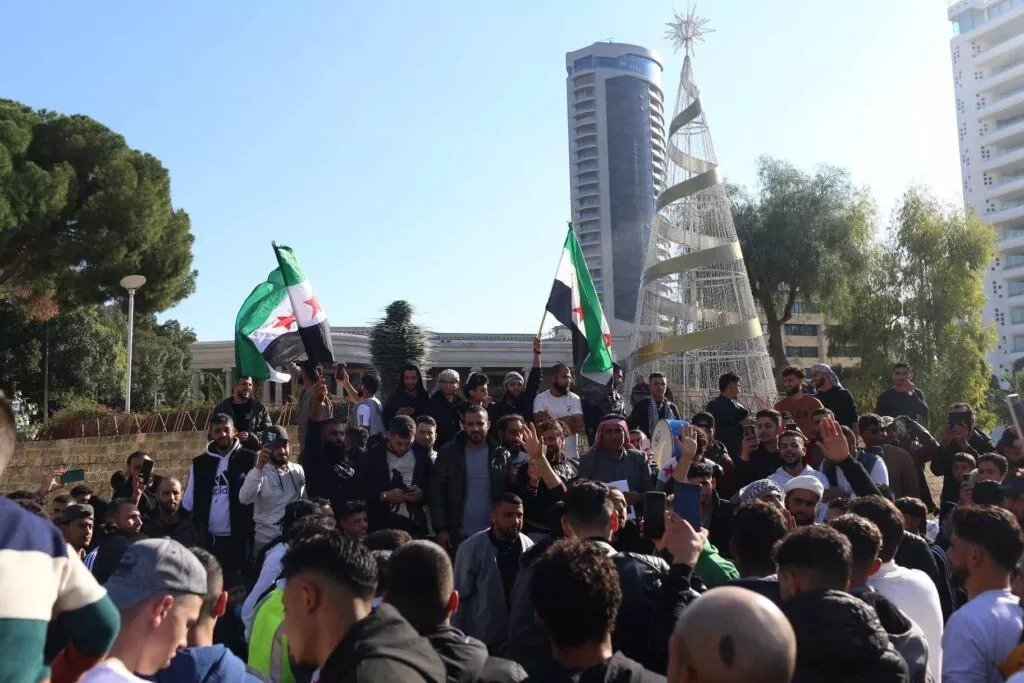
Irregular migrant arrivals in Cyprus have dropped, while significant numbers of Syrian nationals are returning home voluntarily, according to the Deputy Ministry of Migration.
Approximately 2,800 Syrians, representing 25 per cent of those who had submitted asylum or subsidiary protection applications, have withdrawn their requests and repatriated to their home country.
Decline in arrivals
By August this year, Cyprus recorded 1,606 irregular arrivals compared with 9,307 in 2022. Additionally, 1,900 asylum applications were submitted this year.
The Asylum Service has intensified its examination of applications and now issues decisions within short timeframes. From January to August this year, 8,546 asylum decisions were issued, of which 8,123 or 95 per cent were negative.
Policy shift drives faster processing
According to Philenews, Deputy Minister of Migration and Asylum Nicholas Ioannides implemented new guidelines in April 2025 that changed the policy surrounding application examinations. Applications from individuals who do not meet the profile for asylum protection are now rejected promptly.
Whilst examination remains individualised for each case, applications that fail to meet requirements are rejected immediately rather than being prolonged through lengthy procedures.
Syrian departures increase
A total of 4,112 Syrian nationals have withdrawn their applications or had their subsidiary protection status revoked, with 3,541 having repatriated to Syria.
From 2022 to 17th September 2025, Cyprus successfully relocated over 3,006 international protection applicants to nine EU member states under the European Union’s Voluntary Solidarity Mechanism. The overwhelming majority (2,913) of these relocations occurred between March 2023 and the present.
Cyprus now records the highest number of relocations among the five Mediterranean frontline countries participating in the mechanism: Cyprus, Greece, Italy, Malta and Spain.
The relocations are implemented in close cooperation with and under coordination by the European Commission, with support from the European Union Agency for Asylum and the International Organisation for Migration.
Vulnerable groups
The EUAA organised special briefing sessions to ensure applicants were fully informed and provided explicit consent for participation in the relocation programme. The effort included individuals with special needs, vulnerable persons, families and unaccompanied children.
Stricter enforcement measures
Following the policy changes, procedures have become more stringent. Foreign nationals involved in criminal offences now have their subsidiary protection status revoked and face deportation from the Republic, provided any appeals are rejected by the courts. The same applies to troublesome unaccompanied minors.
Read more:

