


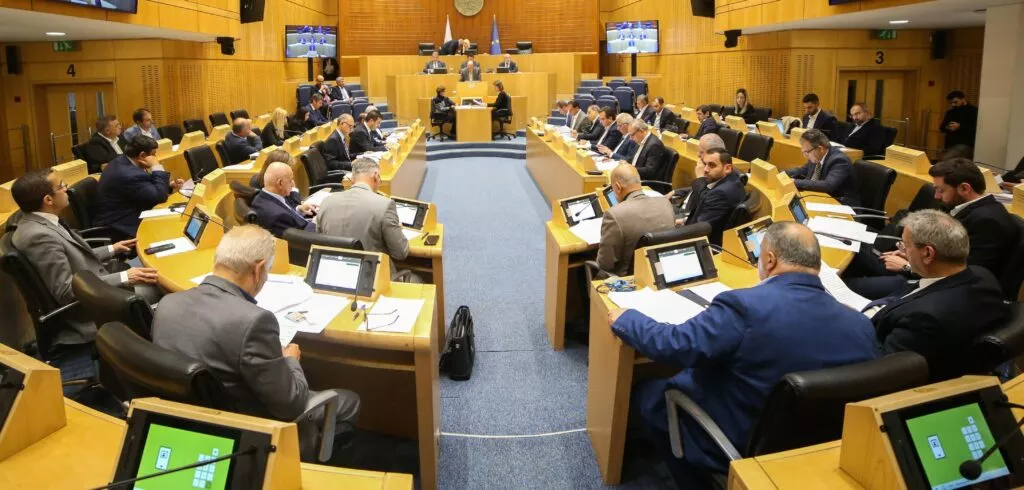
We have entered a lengthy pre-election period, whatever that may mean. The traditional parties, despite the considerable difficulties they face as a result of a prolonged crisis of credibility they are experiencing, choose to maintain a pre-election atmosphere. This deepens their devaluation in the eyes of citizens. They exhaust and alienate them.
The parties are, by necessity, “looking towards” the parliamentary elections, which is considered a pivotal point that will determine survival for some and the next phase for others ahead of the 2028 presidential elections. These are critical crossroads for all political forces, as new circumstances cannot be ruled out through potential upheavals.
Key questions will be answered: What percentages will DISY and AKEL record? Above or below 20%? Which of the two parties will come first—if the percentages are reduced, this will have only symbolic significance. Will the so-called centre parties survive? Apart from DIKO, which will present itself with reduced percentages according to opinion polls, the remainder (EDEK, DIPA, etc.) will fight for survival. This is linked to their entry into parliament. They need 3.6% to enter the House, and this will be their challenge.
The stakes in these elections also include the percentages that will be recorded by the far-right ELAM, which is quietly strengthening, and the newly-established ALMA of former Auditor General Odysseas Michaelides. The latter states directly—and to his credit—that the parliamentary elections are the first step on the road to the presidential ones. Consequently, the 2026 percentages will also determine the major step towards the presidential elections. This path towards 2028, however, presupposes cooperation with systemic parties. This is an issue he will need to address, unless he proceeds alone to the end, appealing directly to citizens. That too is a choice. And something else: the anti-establishment movement faces not only the parties but also individuals who participate or have participated in them and had active roles.
At the same time, moves are being made in the right-wing space with the presidential elections in mind. MP Haris Georgiades, who was tested when he served as Finance Minister, proposes cooperation between DISY, DIKO, and DIPA—a right-wing and centre-right collaborative arrangement. He doesn’t directly link it to the presidential elections. He raises the issue of cooperation from now on in the political arena, within the House, which is already happening. The two parties he addresses participate in the government. However, since a proposal cannot be unrelated to elections, it must be interpreted on this basis. There cannot be cooperation in parliamentary elections, but yes for the House presidency. Yet no one is convinced that the target isn’t the presidential elections. Therefore, such a proposal, given that both parties participate in the government, is unethical—unless he means the cooperation will support the current President!
The Democratic Rally faces a prolonged crisis that is fundamentally existential. When DISY was founded, it managed to create a “mosaic.” Under the rallying umbrella fitted the popular right, the liberal right, the far-right, Makarios supporters, Grivas supporters, EOKA, EOKA B’. This began to “break apart” with forces defecting, mainly to ELAM, which is trying to build bridges to the popular right—a social base that is significant electorally. So at DISY’s Pindarou headquarters they have to address significant issues that don’t concern personalities but existential matters.
AKEL, for its part, has been experiencing an identity crisis for years now, evident in its interventions in the public sphere. Certainly circumstances have changed, but its relationship with society isn’t what it once was. Meanwhile, it lacks a governance proposal and is clearly wronged when it gives the impression of being a protest movement.
The 2026 parliamentary elections are critical for the parties. They are more critical for the citizens.

