


A Syrian advocacy group has warned Cyprus’s asylum service that conducting individualised risk assessments for Syrian asylum applications is “nearly impossible” due to volatile conditions in the neighbouring country.
The group “Syrians in Cyprus” expressed concerns about rejection decisions for Syrian asylum seekers in a letter to Andreas Georgiades, head of Cyprus’s Asylum Service, citing escalating tensions in Syria and regional instability.
The organisation noted that the crisis extends beyond national borders, with “aerial and ground raids against Syria’s territorial integrity” and conflicting interests among neighbouring countries confirming the regional scope of the conflict.
After explaining the situation in Syria and the legal framework governing asylum applications, the group stated that “it becomes clear to us that the process of required individualised risk assessment during the examination of applications is nearly impossible, as conditions in Syria remain volatile and unpredictable at all levels.”
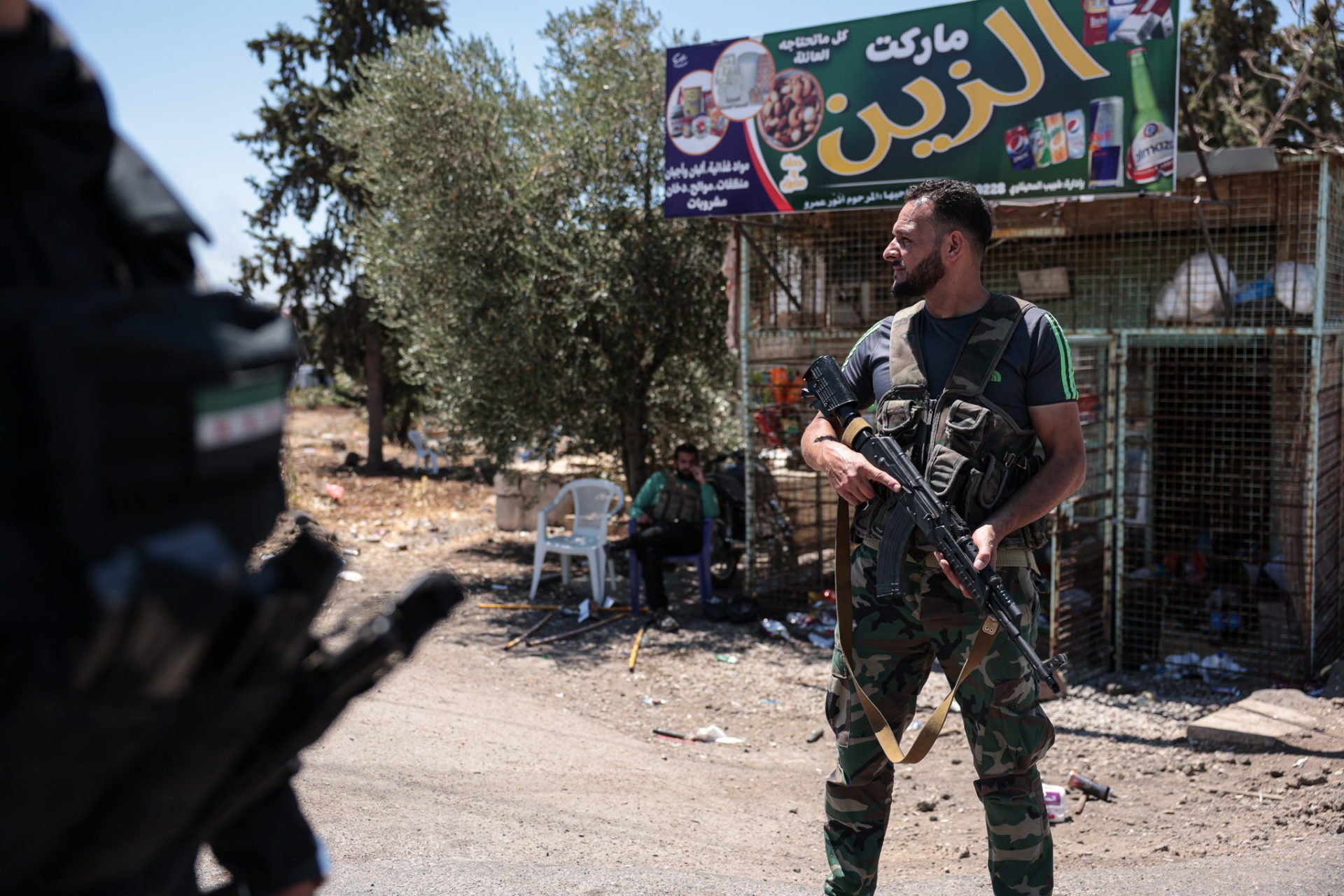
The warning comes amid renewed sectarian violence in Syria’s southern regions, where clashes between Druze and Bedouin armed groups in Suwayda killed at least 166 people in July 2025. Moreover, Israel bombed the country’s military headquarters in Damascus yesterday.
Israeli Defence Minister Israel Katz warned that Israeli forces “will continue to attack regime forces until they withdraw from the area — and will also soon raise the bar of responses against the regime if the message is not understood.”
Prime Minister Benjamin Netanyahu said Israel has “a commitment to preserve the southwestern region of Syria as a demilitarised area on Israel’s border” and “an obligation to safeguard the Druze locals.”
Syria’s transitional government, led by interim President Ahmed al-Sharaa following the December 2024 fall of Bashar al-Assad’s regime, continues to struggle with consolidating control across the country. The new authorities face ongoing challenges from various armed groups, sectarian tensions, and integrating different factions into a unified national framework.
Despite recent international moves to support Syria’s transition—including US sanctions relief announced in May 2025 and World Bank re-engagement—security in the country remains precarious. An estimated 16.5 million people require humanitarian assistance, while 7.2 million remain internally displaced and 6.2 million live as refugees in neighbouring countries.
Read more:

