


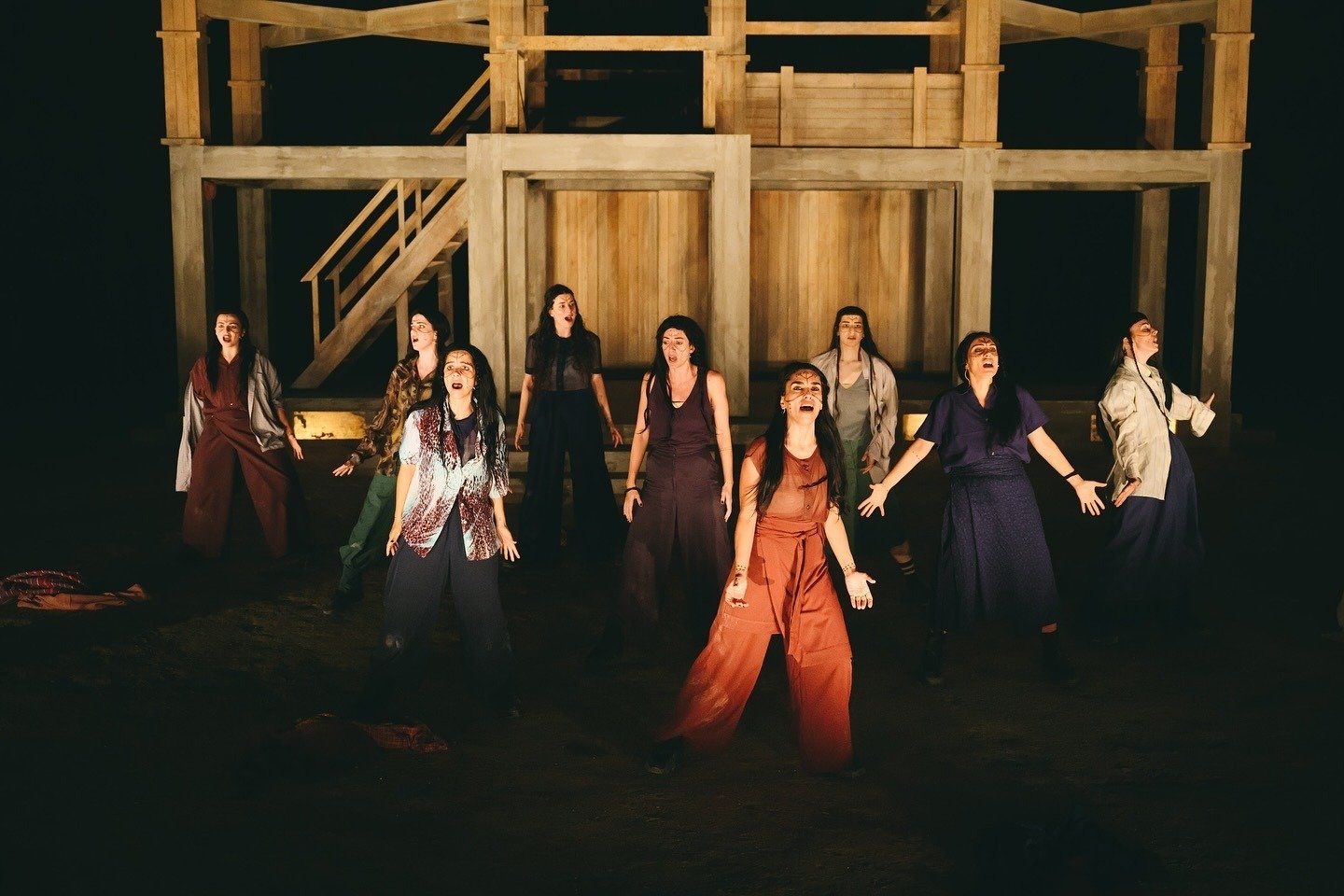
The government has officially moved forward with the establishment of an Artists’ Registry and an Artists’ Association Registry, alongside the introduction of an Artist Grant scheme, as announced by the President of the Republic today.
The cabinet approved the “Artists’ Registry and Artist Grant Law of 2025” bill in today’s session.
The approval marks a key implementation of President Christodoulides’s cultural policy agenda through the Deputy Ministry of Culture. Christodoulides expressed satisfaction at the cabinet meeting, noting that this initiative was part of 88 actions announced on 29 January 2024. “We are finally proceeding with the establishment of the Artists’ Registry and Artist Grant, something artists have demanded for many years,” he said.
The legislation, drafted by the Law Commissioner in collaboration with the Deputy Ministry of Culture, the Ministry of Finance, and Social Insurance Services, aims to be enacted by Parliament within 2025.
Under the new law, self-employed artists meeting specific criteria will be eligible for grants covering 30 per cent of their previous year’s social insurance and health insurance contributions. The registry will be open to individuals engaged in artistic activities in Cyprus, whilst a separate registry will accommodate non-profit artists’ associations, foundations, and unions.
Deputy Minister of Culture Lina Kassianidou highlighted that the initiative has been 15 years in development, dating back to 2009. She emphasised the cultural and economic significance of creative professionals, stating that they “shape the country’s contemporary culture and contribute to our society’s cultural evolution and identity formation.”
The legislation includes provisions for automatic registration during the first six months for artists already registered with recognised associations. New artists under 30 will need to meet two out of ten criteria for registration, while others must meet three.
The bill underwent public consultation between 15 April and 27 May 2024, followed by in-person meetings with arts and culture representatives in July, before receiving cabinet approval for submission to Parliament.
EU developments
According to 2022 figures from Eurostat, a third (31.7%) of Europe’s cultural and creative workers are self-employed, compared to 14% in the economy as a whole.
The sector employs 3.8% of the EU’s workforce and accounts for 4.4% of the bloc’s GDP.
The lack of a defined ‘Status of the Artist’ has had significant consequences, with many in the arts sector facing financial insecurity, a lack of access to healthcare, and no guarantee of pension benefits.
On October 24, 2023, the European Parliament approved legislation, calling on the European Commission to improve living and working conditions for art, cultural and creative professionals.
In the legislative initiative, adopted with 433 votes in favour, MEPs stress that the gaps between national social systems, different national definitions of artists and rules applying to self-employed workers create unfair conditions.
The European Commission responded to the European Parliament’s resolution on February 21, saying that it will take steps to prioritise the issue, however, it stressed that new legislation is not currently on the table.
This issue has been prioritised in the EU Work Plan for Culture 2019-2023, paving the way for the Member States’ experts Open Method of Coordination group, resulting in the report ‘The Status and Working Conditions of Artists and Cultural and Creative Professionals’.
(Picture by Theatre Organisation Cyprus)
Read more:

