


Cyprus is closely monitoring developments in Syria whilst maintaining contact with Brussels and regional countries, as recent events signal decisive geopolitical changes in the region and raise concerns about the transition to a post-Assad era.
The situation remains fluid, with cautious observation of how the new balance of powers will emerge and how the transition will unfold.
For Cyprus and other EU countries, migration remains the most pressing concern. A potential new refugee wave towards Europe, with Cyprus as the first point of entry, is considered a possible scenario.
However, diplomatic sources currently offer reassuring assessments, both in Cyprus and other European countries.
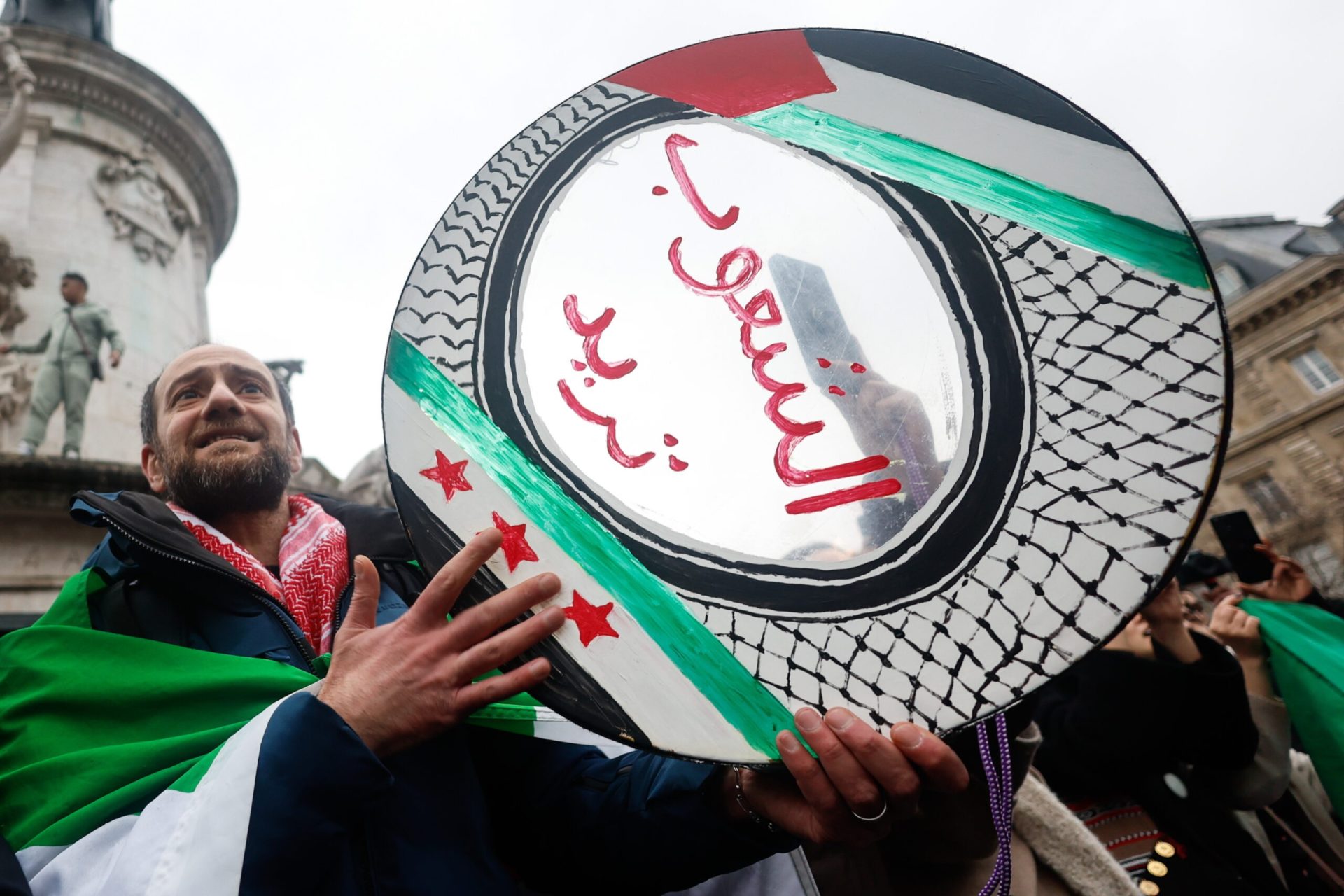
Initial reactions show euphoria among Syrians both within and outside Syria, with large numbers of Syrian refugees across EU countries, including Cyprus, taking to the streets in celebration.
Nevertheless, the future remains uncertain. The Assad regime’s actions led to significant bloodshed in certain areas and persecution of opposition members, resulting in large-scale Syrian migration to Europe.
The end of the Assad era marks a new chapter in history, regardless of his personal fate.
Current assessments suggest that the prevailing rebels are showing willingness to avoid conflicts and cooperate with other factions within Syrian territory.
This offers Brussels hope for a potentially Western-aligned government, possibly facilitating the return of many Syrians from various countries.
Cyprus, as a neighbouring country, could play a significant role in regional developments as Brussels’ bridge, with political analysts noting the EU’s need to establish communication channels with rebels and support the formation of a new Syrian government for stability.
The possibility of Assad forces attempting to return with Russian support appears remote, with Moscow focused on Ukraine.
Hezbollah, through which Iran exercised control, appears weakened following strikes in Lebanon from the war with Israel and is not considered capable of controlling Syria.
Under these circumstances, there is growing optimism about establishing conditions for state-building and stability that could prevent new refugee flows to Europe and potentially encourage Syrian repatriation.
Brussels is expected to seek both political and economic support for Syria’s new order to maintain influence.
Turkey seeks a significant role in developments, particularly regarding Kurdish issues, with its stance being cautiously monitored by other Arab states.
Qatar and the United Arab Emirates are expected to support Syria’s new order in various ways.
In a telephone conversation, Cyprus President Nikos Christodoulides and European Commission President Ursula von der Leyen discussed the situation, expressing concern about potential regional and European implications, including security and migration issues. They agreed to maintain continuous contact and coordination.
Currently, there is no movement regarding population transfers from Syria, with no flights in the region and no immediate need for implementing any plans by Cypriot authorities.
Nicosia’s focus remains on its potential diplomatic role as Syria’s neighbour and as a bridge to the European Union.

