


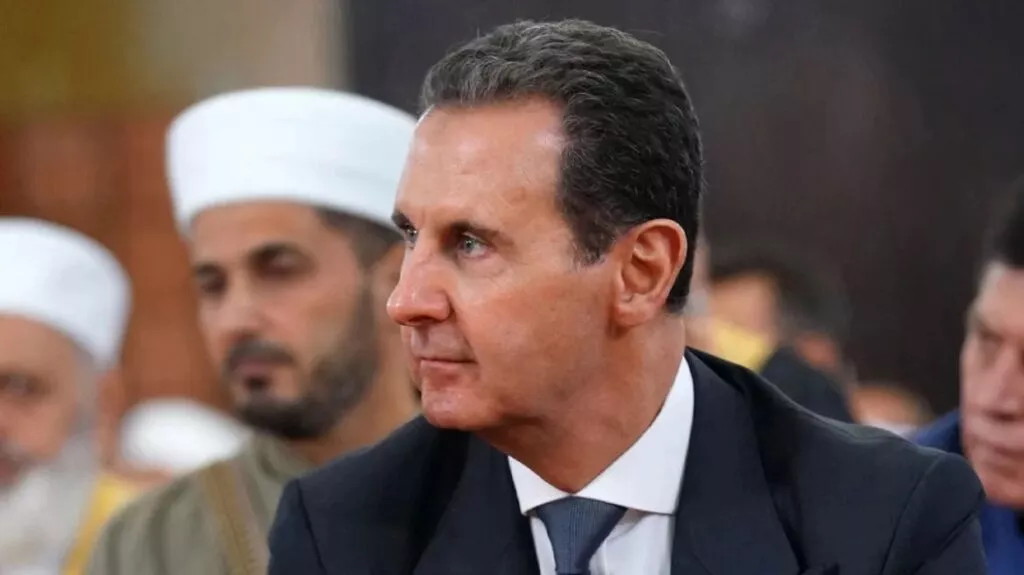
Bashar al-Assad, the former president of Syria, is reported missing just days before his 59th birthday, marking an abrupt end to nearly 25 years in power. Following a brutal civil war and the fall of Damascus to rebel forces, Assad’s whereabouts remain unknown, with some sources suggesting he may have fled the country.
Rebel groups, celebrating their success, declared that Assad’s “tyranny is over” and announced that he had escaped. However, reports from Syrian sources indicate that Assad may have boarded a Syrian Air Force Ilyushin-76 aircraft that took off hastily from Damascus International Airport. The plane reportedly veered off course toward Homs, lost altitude abruptly, and vanished from radar screens.
The question remains: Was Assad aboard the flight? Did the aircraft crash, get shot down, or simply lose signal?
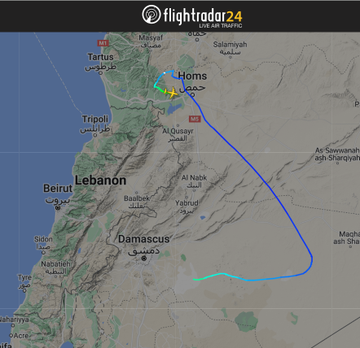
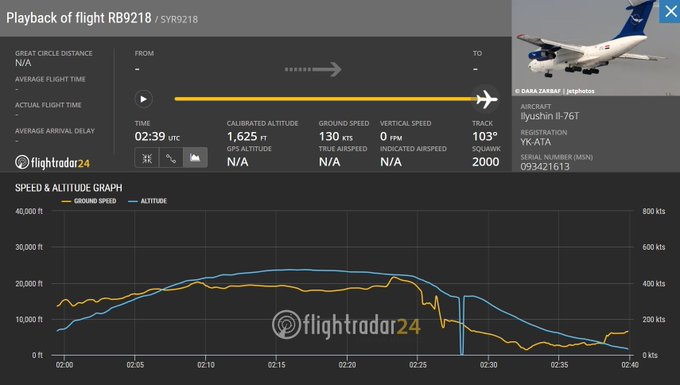
FlightRadar24 confirmed the flight’s departure, though it noted that the aircraft’s age and the potential failure of some transponder data made precise tracking difficult. “Nonetheless, we believe the data provides a reasonable indication of what happened to the plane,” the service said, adding that there are no airports in the region where the signal was lost.
While the fate of Assad remains unclear, it is reported that his wife, Asma, and their three children arrived in Russia on the previous day. The family’s departure signals the end of a half-century of Assad family rule in Syria, which began under Bashar’s father, Hafez al-Assad. In the 2014 elections, Bashar’s Baath Party won with 88.7% of the vote, despite widespread international condemnation of the legitimacy of the process.
After years of war and the loss of key allies, Assad’s hold on power crumbled. The rebel forces captured Damascus with minimal resistance after Russian and Iranian forces withdrew the day before, leaving the Syrian Arab Army (SAA) unwilling to engage. Assad’s position was further weakened when Russia, Iran, and Turkey reportedly reached a decision in Doha to seek his removal.
In a meeting between Russian Foreign Minister Sergei Lavrov, Iranian Foreign Minister Abbas Araghchi, and Turkish Foreign Minister Hakan Fidan, the three countries reportedly agreed to facilitate Assad’s exit from the presidency. They discussed the formation of a “national unity” government that would include members of the Baath Party, rebel groups, and Kurdish representatives. This marked a clear shift in international support for Assad and the potential for Syria to move toward a new political phase.

