


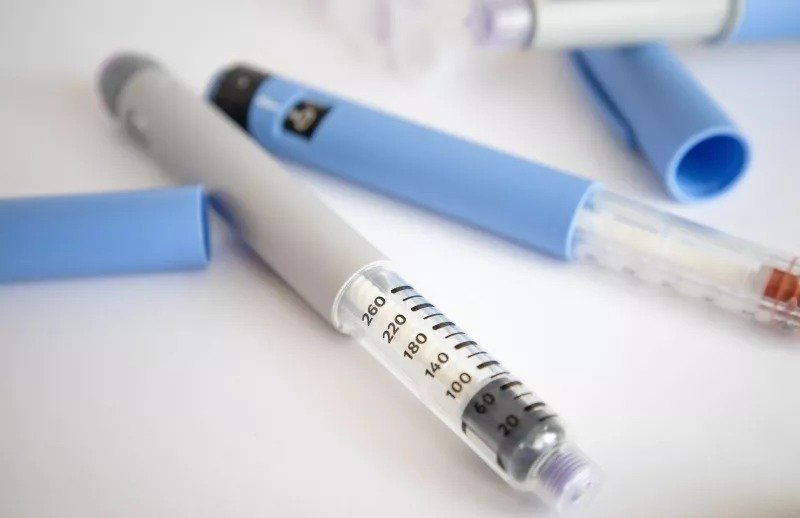
Cyprus is grappling with a shortage of injectable diabetes medications, mirroring a wider European crisis exacerbated by their increased use for cosmetic weight loss, health officials said on Thursday.
The European Medicines Agency (EMA) has issued a warning that these drugs, including Ozempic and Victoza, should be reserved for patients with legitimate medical needs such as diabetes or obesity-related health issues. The EMA has also warned that the increased use of these drugs for purely cosmetic purposes has fuelled criminal activities online.
In Cyprus, the Health Insurance Organisation (HIO) is working to maintain adequate stocks of these medications. However, they have also identified instances of wasteful prescriptions of a particular drug, which is crucial for newly diagnosed patients who require this specific treatment.
The HIO announced a few days ago that small quantities of the medication Victoza (one of the drugs in this category) have been imported into Cyprus.
However, these quantities are reserved only for diabetic patients who have been previously prescribed this medication. This means that new patients must await larger imports or, if suitable, begin treatment with the second available injectable drug, Xultophy, or explore alternative options, which may not fully meet their needs.
Wastefulness in the prescription of Xultophy has also been identified in some GESY pharmacies, further depleting its stocks in Cyprus.
The HIO has identified instances of overprescription and waste in some pharmacies, prompting stricter dispensing guidelines. Pharmacies are now instructed to provide only the exact number of pens prescribed.
This shortage is not unique to Cyprus, reflecting a global trend that has depleted stocks across Europe and beyond.
The EMA has called on national authorities to ensure proper prescribing practices and has convened a workshop with relevant authorities and manufacturers to address the challenges.
Read more:

