


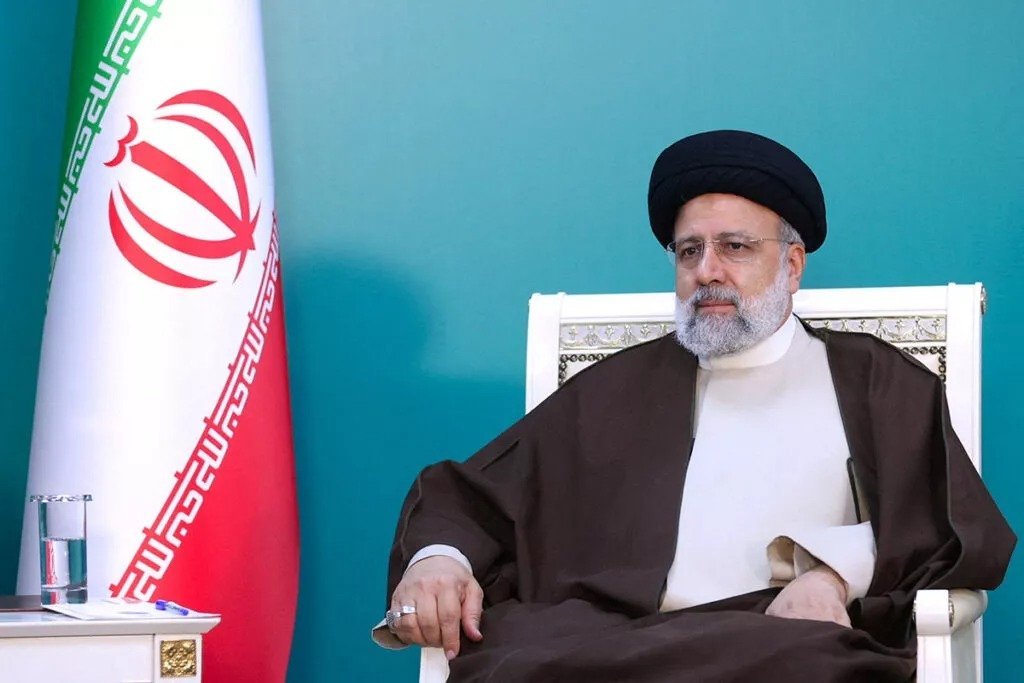
The death of Iranian President Ebrahim Raisi ushers in new developments in Iran and, consequently, the broader Middle East region.
Not because the late president was a beloved and popular figure– quite the opposite. Few will mourn his passing, as he was one of the most ruthless and conservative leaders Iran has seen, with a dark history that includes the execution of political prisoners and the bloody suppression of protests.
His death comes at a critical juncture, with internal unrest in Iran and Israel’s war with Hamas in the Gaza Strip reaching a turning point. This naturally raises questions about potential developments moving forward.
The first questions should be directed at the Iranians themselves. Their second most important official was travelling in an outdated helicopter, reportedly manufactured in the 1970s, under extremely poor weather conditions. The fact that it took hours to locate the crash site and confirm Raisi’s death reflects poorly on the operational capabilities of the Iranians.
As a result, we may witness attempts to shift blame away from those responsible for ensuring the president’s safety. It is noteworthy that initial leaks suggested the possibility of assassination, hinting at the fact that the other two helicopters carrying officials landed safely and that Raisi’s death somehow benefits Benjamin Netanyahu.
According to Iran’s constitution, the current vice president, Mohammad Mokber, will assume interim leadership and new elections must be held within 50 days. The regime would undoubtedly prefer another figure like Raisi to win. Under normal circumstances, this is likely to happen, so we should not expect any dramatic shifts.
However, Iran’s regime has no shortage of opponents, and they may view this as an opportunity to take action. In recent times, we’ve seen thousands of protesters, particularly young people, rise, using the issue of the female headscarf as a catalyst to demand broader reforms.
Thus, the death of the Iranian president could spark further unrest among his compatriots. The country is at a critical juncture, and this could be exploited by regime opponents, both domestically and internationally.
Read more:

