


It took three years of negotiations between member states for the smoke to clear on the most thorny issue of European policy, that of immigration.
The new Migration and Asylum Pact attempted to bridge the differences among member states, emphasizing solidarity and a more equitable distribution of immigration burdens.
However, it didn’t even take three weeks to realize that the agreement was as holey as the boats brimming with migrants heading for Europe. From the outset, it was clear that the principle of solidarity, at least as formulated in the new Pact, is very difficult to enforce.
Take, for example, the issue of resettlement. From the very beginning, some member states stated that they would not accept the transfer of migrants and refugees onto their soil.
Illustrative of the situation is that in 2023, 29,157 spots were offered, but according to Eurostat data, only 13,830 individuals were accepted in some EU countries.
The picture is similar for 2024. Only 14 member states agreed and offered to accept migrants. The rest will prefer the alternative, which is to pay money for each refugee or migrant they refuse to accept.
However, money alone cannot solve the problem. According to estimates for 2024, 2.4 million refugees worldwide will need resettlement, marking a 20% increase compared to 2023.
Many of them will have Europe as their destination, with the Eastern Mediterranean route being the most active entry path for irregular migrants.
While the migration flow may not be at its peak as in 2015 and 2016, the streams have not stopped and will not. We know that tens of thousands of people, according to testimonies, are waiting in warehouses in Eastern Libya ready to board boats.
Many others want to leave the shores of Syria and Lebanon.
The EU fails to coordinate its steps on migration. It is very likely that things will become even more difficult after the upcoming European elections in June, especially if the predictions that the far right will increase its percentages and power in the new European Parliament are confirmed.
It’s easy to imagine what will happen if opponents of immigration become one of the dominant currents after June 9.
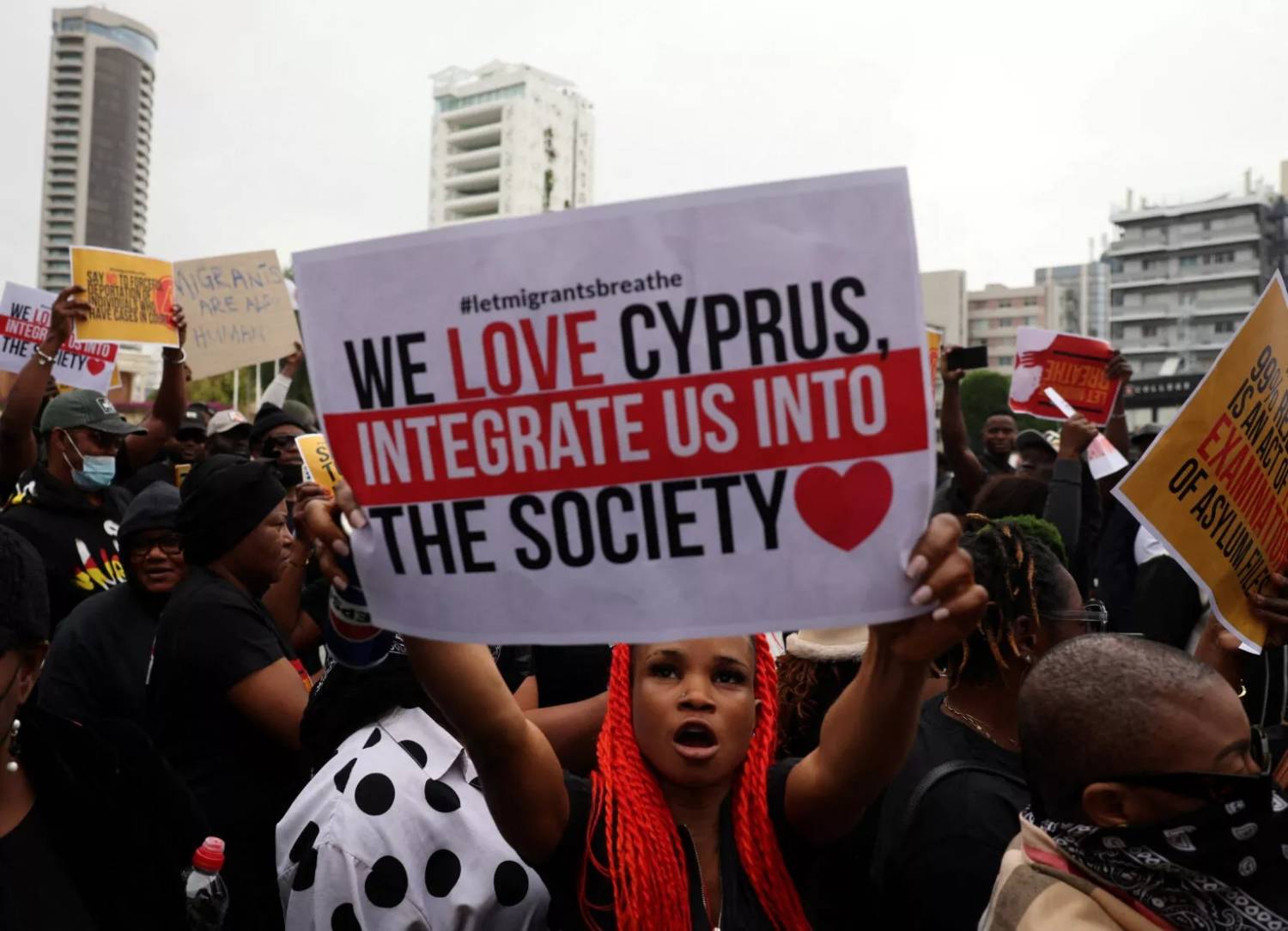
And it is equally easy to imagine that frontline member states, such as Cyprus, will once again be left alone to bear disproportionate burdens.

