


MEPs and national governments on Wednesday struck a deal to revamp the EU’s asylum and migration legislation.
The new rules are designed to share the cost and work of hosting migrants more evenly and to limit the number of people coming in.
Representatives of the European Parliament and EU governments reached an accord after all-night talks on EU laws collectively called the New Pact on Migration and Asylum that should take effect next year.
Following the deal, EP President Roberta Metsola said: “Today is a truly historic day, as we have delivered on the Migration and Asylum Pact, possibly the most important legislative package of this mandate.
Europe will now get a robust legislative framework that is the same in all Member States. That functions and that protects, an approach that is humane and fair with those seeking protection, that is firm with those who are not eligible, and that is strong with those who exploit the most vulnerable.
Migration was the number one concern raised by citizens across the Union in the elections 2019. Delivering this package before the end of the year is a huge success for the constructive pro-European centre ahead of the start of an election year in Europe.”
The laws cover screening irregular migrants when they arrive in the European Union, procedures for handling asylum applications, rules on determining which EU country is responsible for handling applications and ways to handle crises.
Migrant arrivals in the European Union are way down from the 2015 peak of more than 1 million but have steadily crept up from 2020 low to 255,000 in the year to November, with more than half crossing the Mediterranean from Africa to Italy or Malta.
Previous efforts to share the responsibility of hosting migrants have foundered because eastern EU members in particular were unwilling to take in people who had arrived in Greece, Italy and other countries.
Under the new system, countries not at the border will have a choice between accepting refugees or paying into an EU fund.
The screening system envisaged will seek to distinguish between those in need of international protection and others who are not.
People whose asylum applications have a low chance of success, such as those from India, Tunisia or Turkey, can be prevented from entering the EU and detained at the border, as can people seen as representing a threat to security.
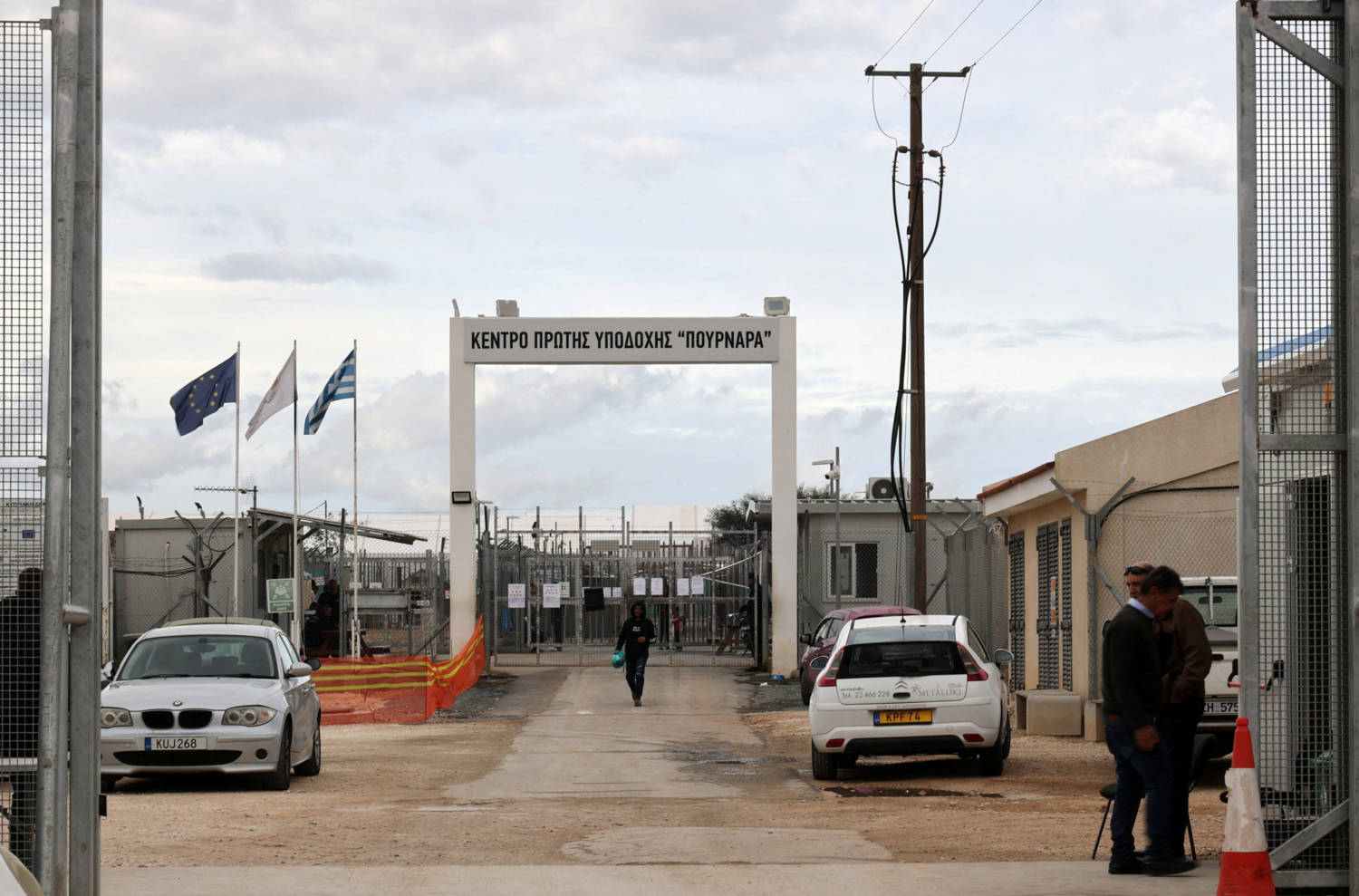
Refugee rights groups have said it will create what amounts to prison camps at the EU’s borders.
Next steps
The provisional agreement needs to be formally adopted by the Parliament and Council before it can become law. The co-legislators committed to adopting the reform of EU migration and asylum rules before the 2024 European elections.
(With information from Reuters and the European Parliament)

