


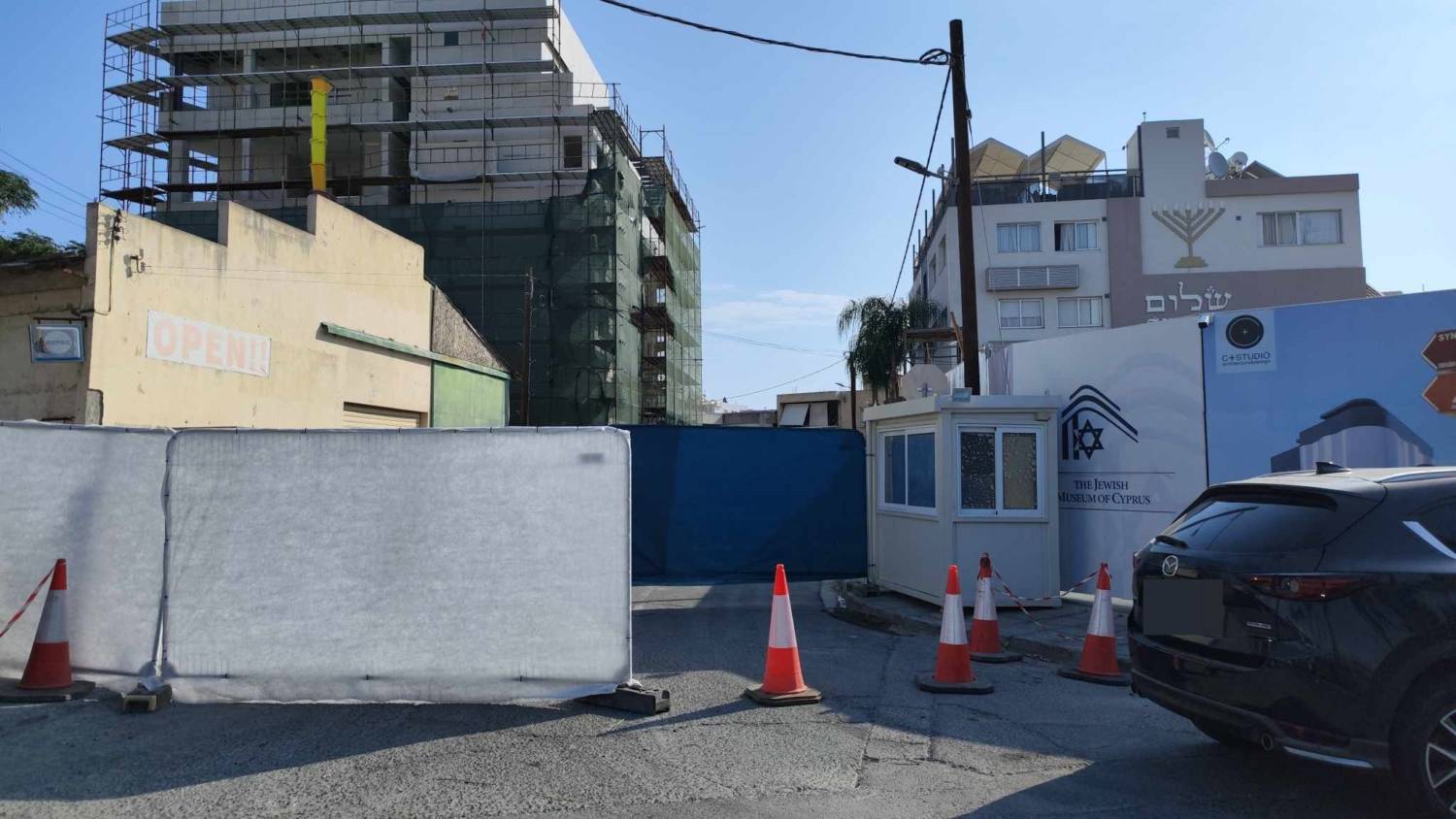
The once-peaceful corridors and recreation spaces of the Jewish community center of Larnaca are today filled with evacuees, both young and old, united by a common desire to find solace on an island just a short 40-minute flight away from Israel.
“Around 1,000 people are arriving every day,” reported Arie Zeev Raskin, the island’s chief rabbi. “Since that terrible day, more than 16,000 people have sought refuge in Cyprus,” he added, in reference to the Hamas attack on October 7, which resulted in 1,200 casualties.
The evacuees include single mothers, traumatized children, and individuals unable to endure the daily sounds of rockets. The center extends whatever support is possible, be it in beds, food, or temporary accommodation.
Over the past month, families, fearing reprisals after the Israeli military’s counter-attack against Hamas in Gaza, have reached Cyprus. The offensive has claimed over 10,000 Palestinian lives, and left countless wounded and displaced.
Rabbi Rashi, who settled on the island during a time of a more pro-Palestinian sentiment, noted that the influx is not one-sided; as foreign-based reservists responding to Benjamin Netanyahu’s call have also transited through Cyprus in the opposite direction.
Others seeking release are also flying in. “We needed to get away from all the noise, the rockets, the fighting, so me and my friends flew over to spend five days in Ayia Napa,” said Israel Pertz, 23, referring to the southern resort, expressing a sense of safety on the island.
Recent weeks have seen not only Israelis but also individuals from various parts of the world arriving in Cyprus. Amid escalating fears of the conflict spreading, western embassies in Nicosia have prepared for emergency evacuations and the distribution of humanitarian aid.
In 2006, Cyprus acted as a transit point for over 30,000 foreign nationals fleeing war in Lebanon, reprising this role when thousands of British passport holders were airlifted from Sudan to the country earlier this year.
Foreign Minister Constantinos Kombos has raised the specter of evacuating over 100,000 people to Cyprus from Lebanon and other parts of the region in the event of the conflict escalating
Addressing MPs, he stated that over 1,000 men, women, and children from 35 countries had been brought to the island since October 7.
SAS troops and other special forces from Germany and the Netherlands have been placed on standby in military bases that the UK retains in its former colony, specializing in potential hostage rescue missions.
As conflict rages in surrounding regions, Cyprus stands out as a haven of safety, according to Professor Hubert Faustmann, teaching history and political science at the University of Nicosia. However, concerns arise over the potential impact of an influx of refugees from Syria and Lebanon seeking refuge on the island, especially if other EU member states deny acceptance, leaving Cyprus grappling with the aftermath of a real war scenario.
The historical pro-Arab stance of both Athens and Nicosia shifted in recent years due to strained relations between Israel and Turkey and the discovery of gas reserves off the Israeli coast.
This shift has paved the way for strengthened ties and an energy alliance between Cyprus and Israel.
Cypriot President Nikos Christodoulides and Greek Prime Minister Kyriakos Mitsotakis swiftly condemned the Hamas attacks while affirming Israel’s right to self-defense.
However, the leaders also aim to strike a diplomatic balance.
Mitsotakis expressed increasing concern over civilian casualties and displacement resulting from the Israeli bombardment of Gaza.
On the other hand, Christodoulides announced plans to establish a humanitarian sea corridor from Cyprus to Gaza, emphasizing the need for a sustained, secure, high-volume flow of humanitarian assistance.
Officials propose dispatching shipments from Limassol, the country’s main port, to Gaza, a mere 255 miles away, once combat pauses and ground conditions allow.
(With information from the Guardian)

