


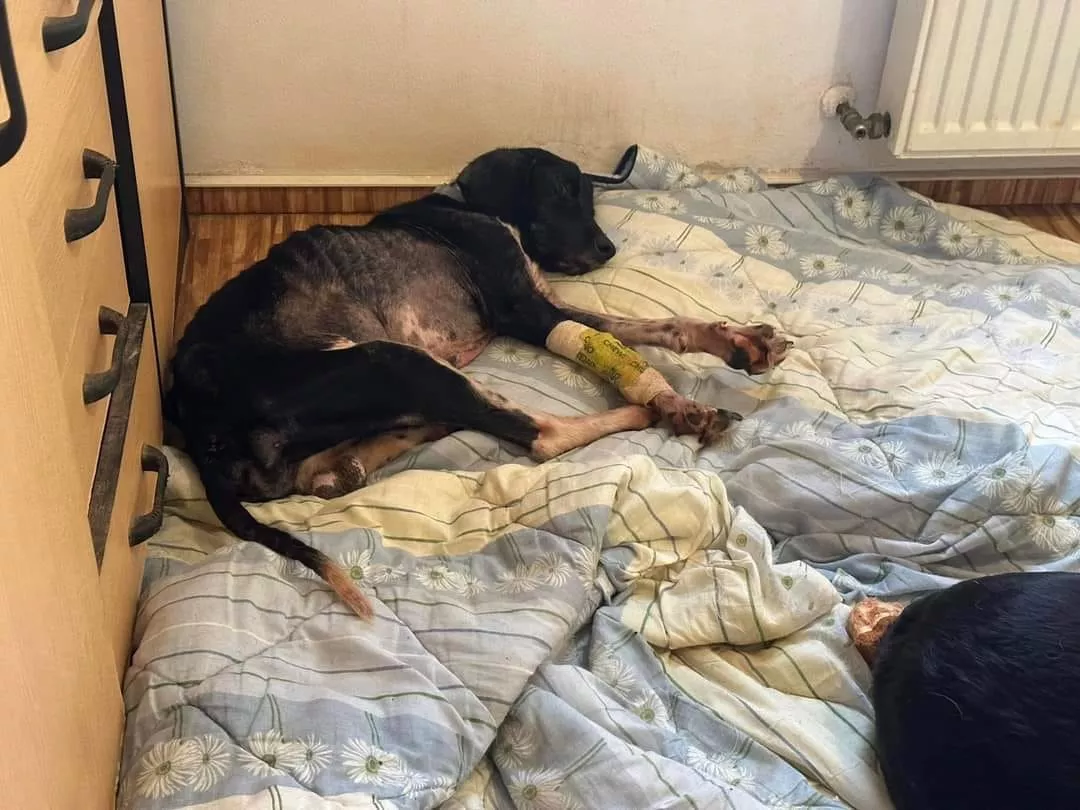
For years, promises of constructing shelters for stray animals in Cyprus have remained unfulfilled, leaving the situation regarding animal welfare on the island tragically unchanged.
Despite receiving significant funding pledges, the control of stray dogs has spiralled out of the state’s hands, abandonment rates have soared, citizens are in uproar and disheartened, and the enforcement of animal welfare laws continues to suffer.
The previous administration had approved a budget of €750,000 for the period 2020-2023 to create regional shelters for stray dogs. Adding to this, the total expenditure for the project escalated to €1,500,000 for the period 2022-2024. The plan aimed to create six shelters, each receiving a grant of €250,000. Unfortunately, the initiative did not even get off the ground, leading to the development of a new plan for 2023-2025.
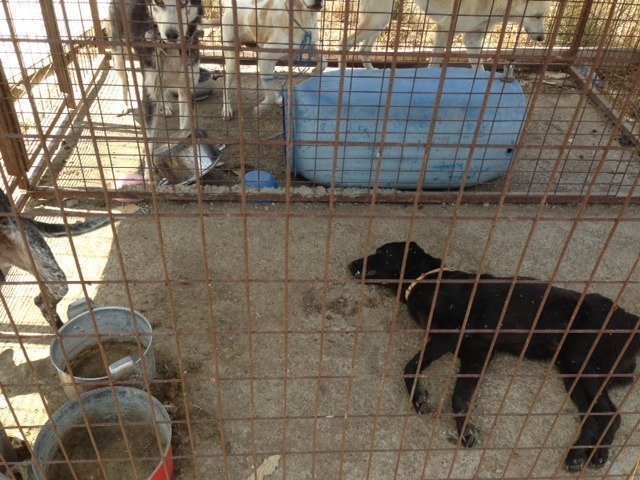
A new proposal aims to establish six regional shelters for stray dogs with special support from local authorities. Surprisingly, as Phileleftheros reports, none of the local authorities has taken steps towards constructing these shelters; instead, some have resorted to evading responsibility. The only municipalities that have taken action in recent years are the major districts of Nicosia, which have partnered with animal welfare organisations to manage a proper shelter.
Mary Chrysochou-Anastasi, president of “Voice for Animals,” expressed her frustration, stating that most other municipalities and communities have shown themselves unsuitable, disregarding existing regulations and turning a blind eye to numerous cases of animal abuse and negligence. She stressed that animals are suffering without any control or punishment from the relevant authorities, who are responsible for enforcing legislation for animal protection and welfare.
Chrysochou-Anastasi highlighted several instances of animal abuse in the existing shelters, most of which have been concealed from public scrutiny.
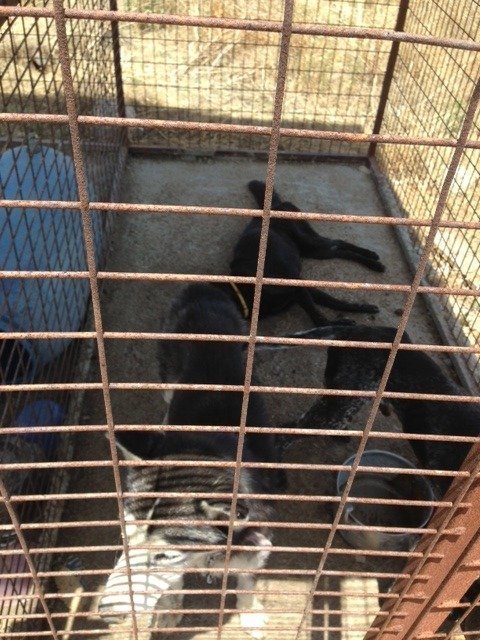
In light of the ongoing crisis, President Christodoulides, received a letter from “Voice for Animals,” urging him to take necessary measures to proceed with the construction of the six regional shelters. The aim is to alleviate the immense pressure on private dog shelters, which have become overwhelmed due to the increasing number of stray dogs.
It is crucial to note that these shelters do not euthanise abandoned dogs. However, only 25 local authorities out of all the controlled areas of the Republic maintain such shelters, while some municipalities rely on purchasing services from private establishments to house strays within their region.
The lack of action by local authorities has led to a drastic reduction in dog adoptions and subsequently overcrowded shelters, leaving more stray dogs without proper care and attention.

