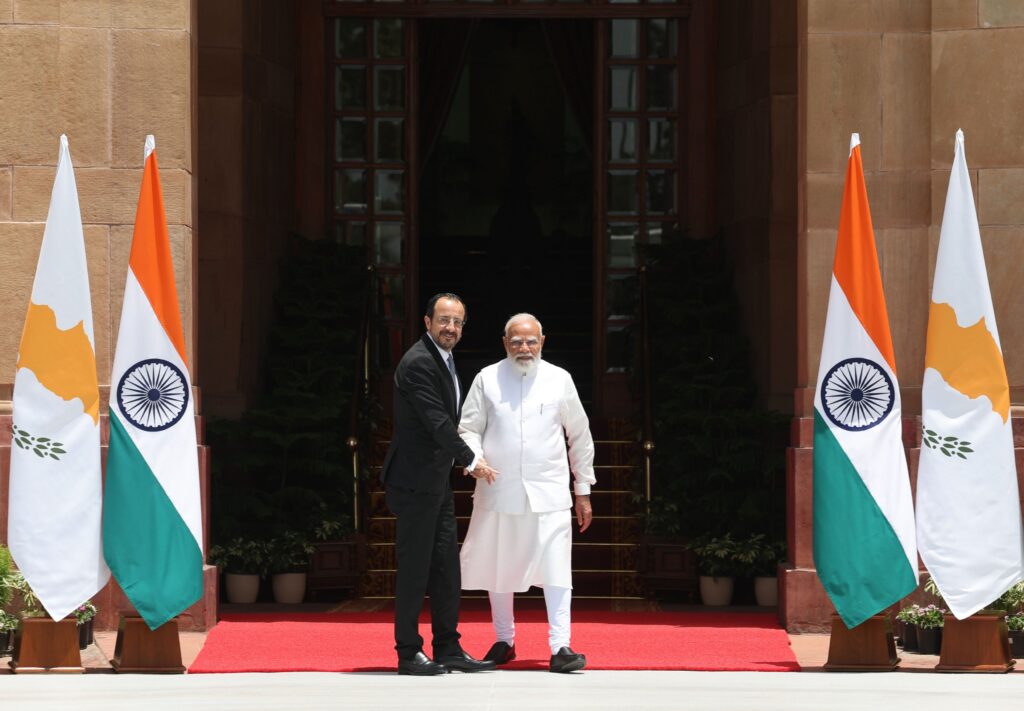
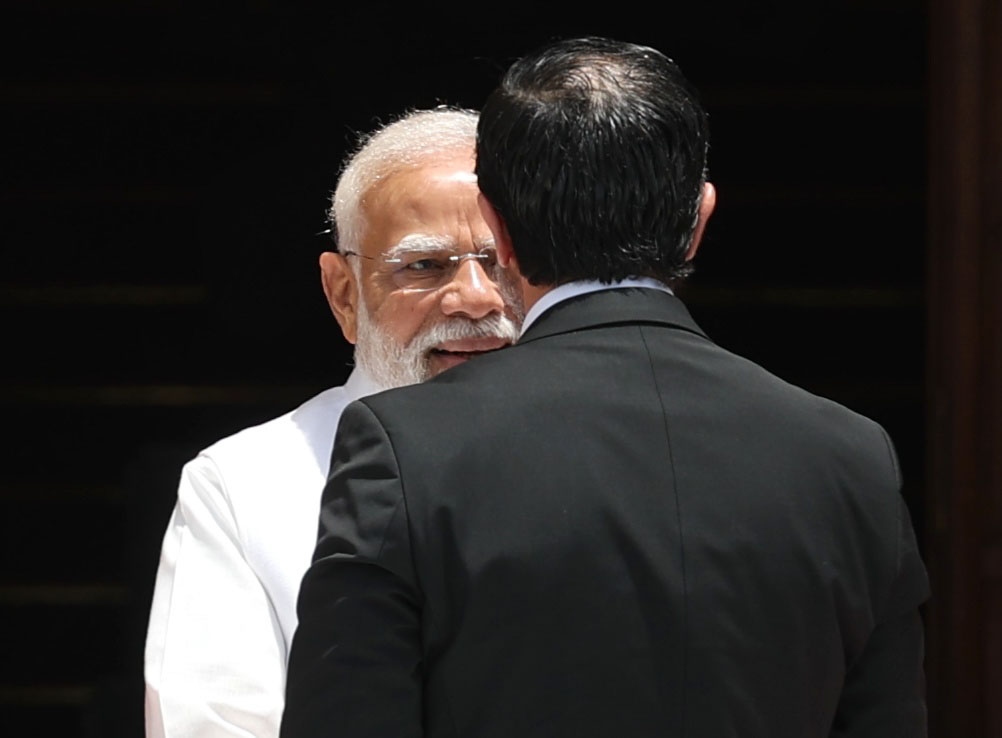
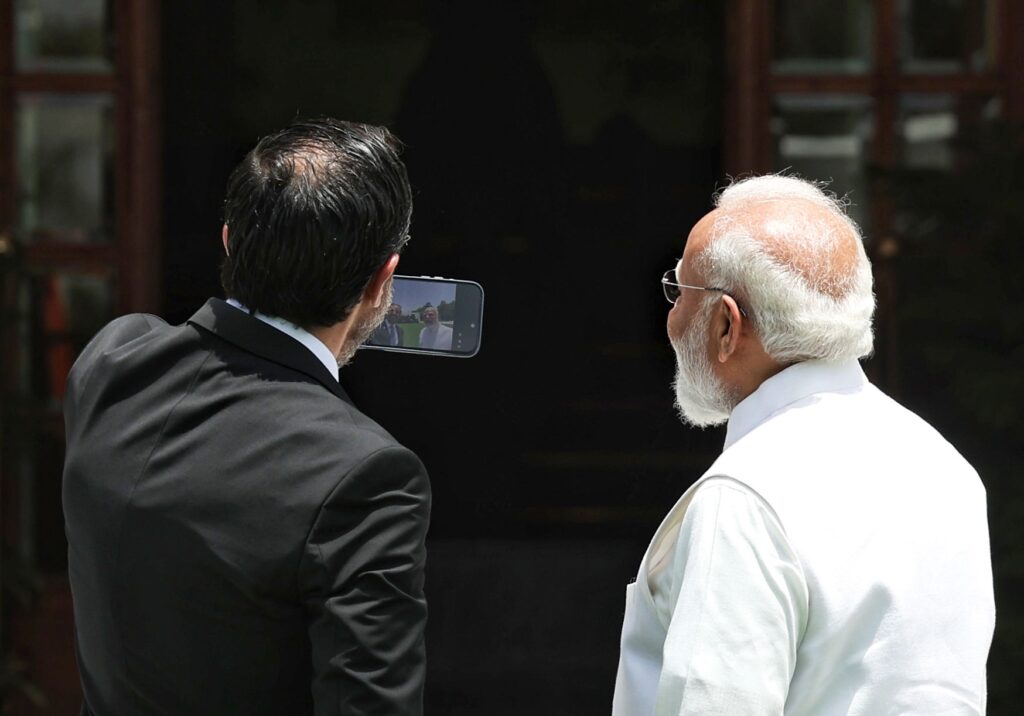
Cyprus and India upgraded their bilateral relations to a Strategic Partnership on Friday after President Nikos Christodoulides met Prime Minister Narendra Modi at Hyderabad House in New Delhi, with both leaders pledging to deepen cooperation across defence, trade, technology and connectivity.
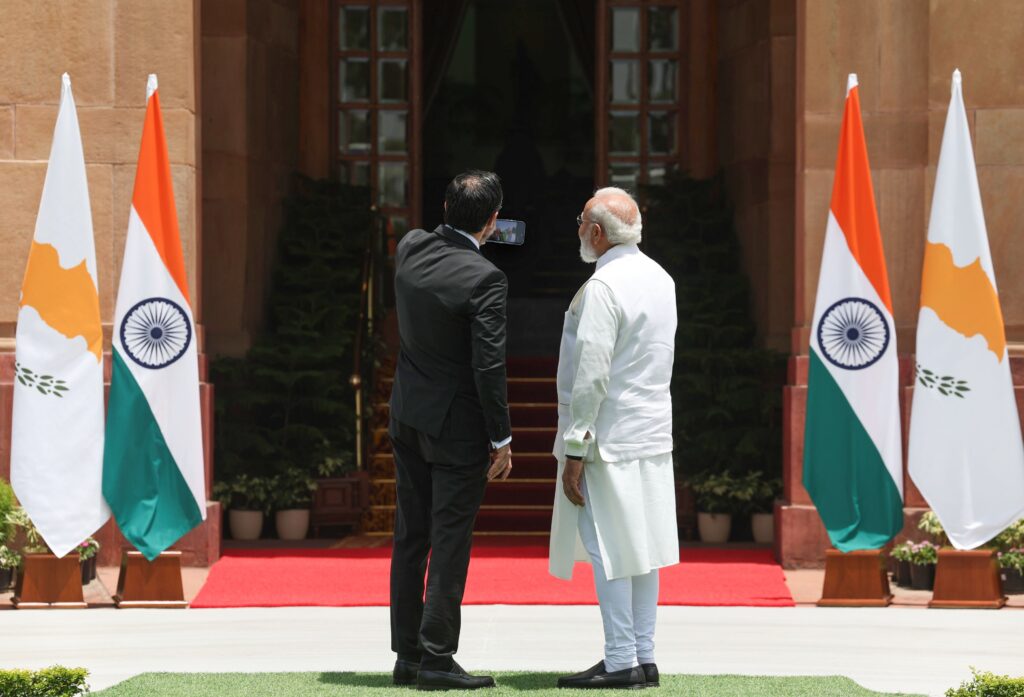
The two governments signed memoranda of understanding on counterterrorism, search and rescue cooperation, diplomatic training, higher education and research, innovation and technology, and cultural cooperation. A joint working group on counterterrorism was formally established, and technical arrangements for a search and rescue coordination mechanism were also signed.
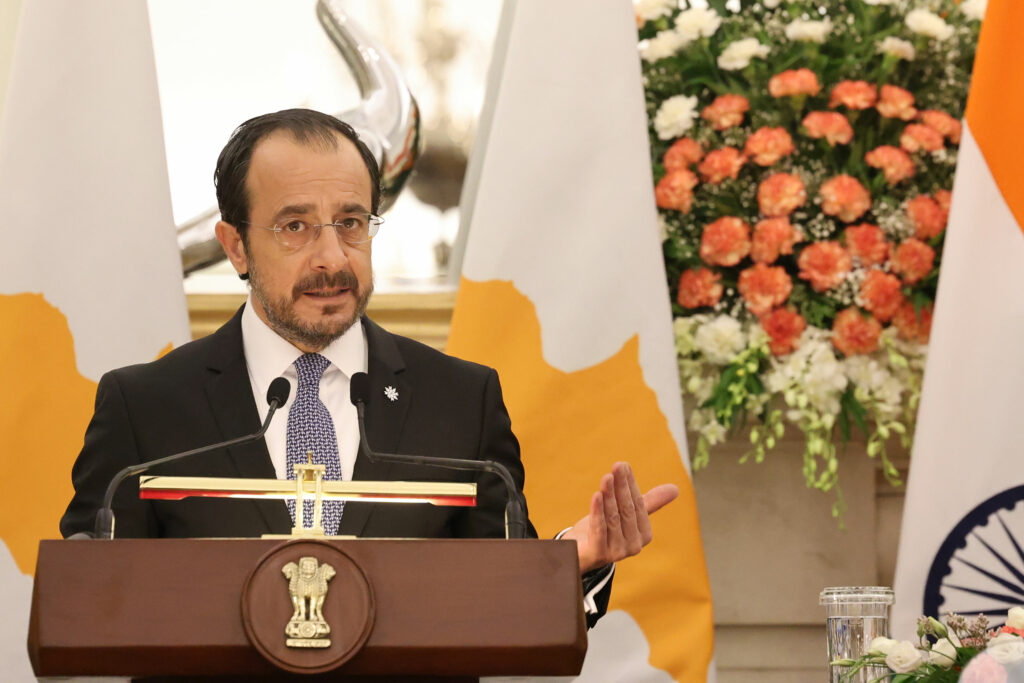
Speaking after the meeting, Modi said the India-Cyprus friendship was “not just strong, but future-oriented,” adding that the two countries’ shared commitment to democracy and the rule of law formed the foundation of their cooperation. He said Cyprus, which currently holds the EU Council Presidency, was well placed to advance India-EU relations and serve as a gateway for Indian investment into Europe.
Modi said Cyprus ranked among India’s ten largest investors, and that Cypriot investment in India had nearly doubled over the past decade. “With growing trust between our two countries and the opportunities created by the India-EU Free Trade Agreement, we can double this investment again within the next five years. And that is the target we have set,” he said.
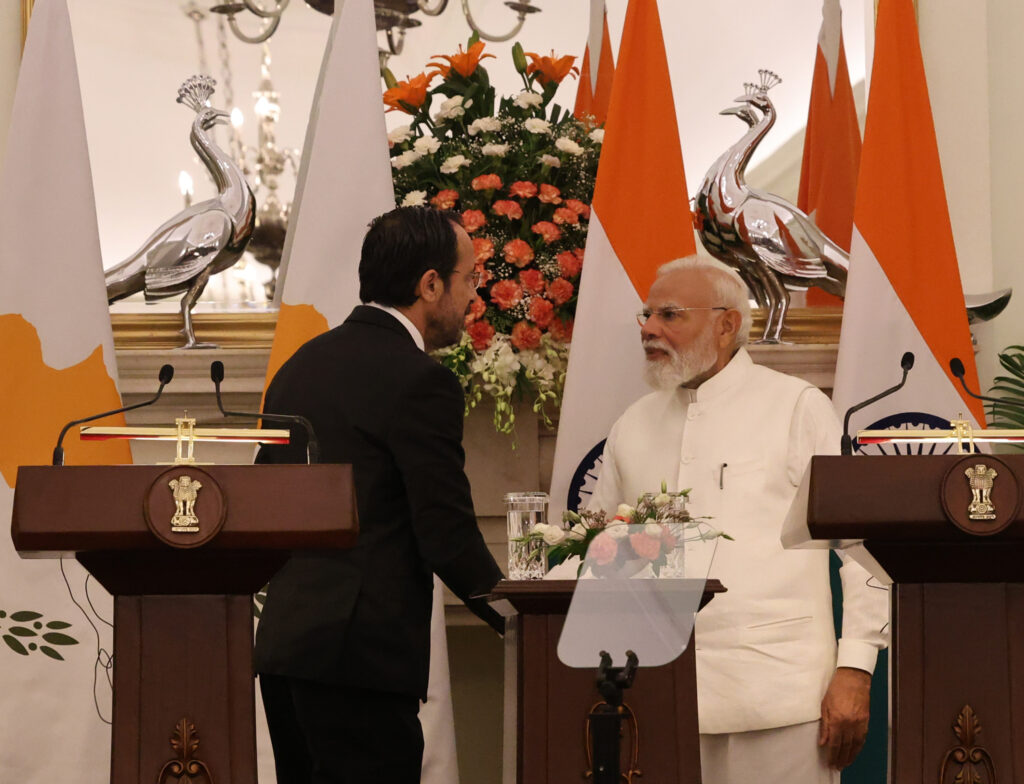
On defence and security, Modi said both sides had decided to strengthen cooperation in cybersecurity, maritime security and counterterrorism. “We are particularly pleased that in recent years military exchanges and training cooperation between our two countries have increased,” he said. He also cited the India-Middle East-Europe Economic Corridor (IMEC) and the Indo-Pacific Ocean Initiative as frameworks through which the two countries would work to secure connectivity.
Modi said the two leaders had also agreed to sign a comprehensive migration and mobility agreement and a social security agreement in the near future, in addition to the culture and higher education agreements signed on Friday.
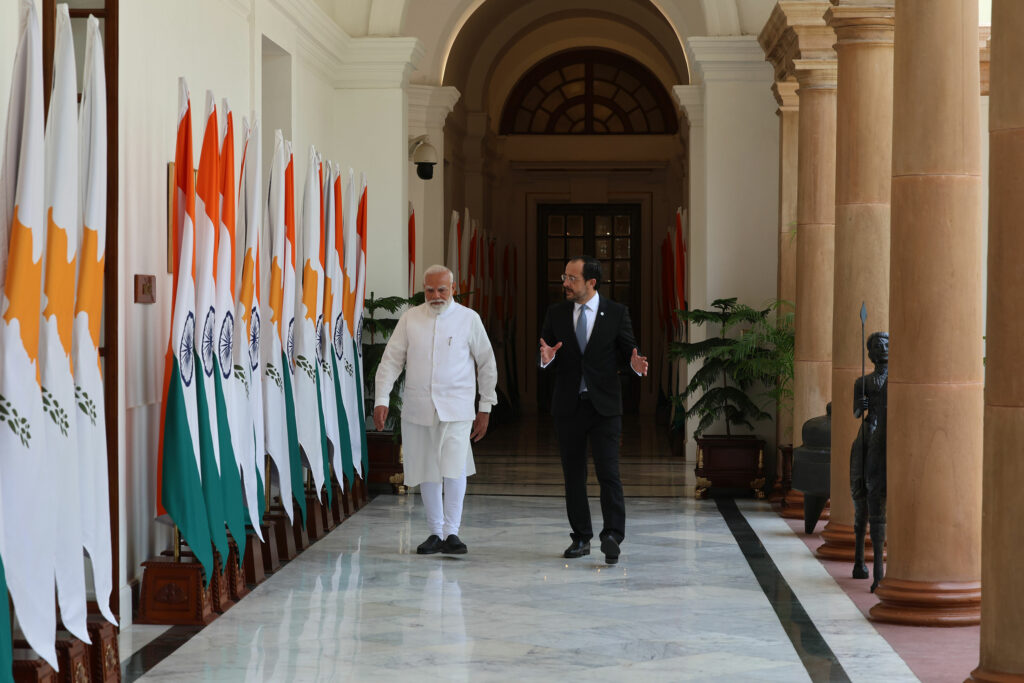
On international affairs, Modi said the two leaders had discussed Ukraine and issues in “western Asia.” “We will continue to support efforts for peace and the swift end to these conflicts,” he said, adding that reforms to international institutions were urgent and necessary to address growing global challenges.
Christodoulides described the meeting as a milestone that deepened and broadened the two countries’ strategic cooperation. “During today’s discussions, the Prime Minister and I confirmed that our relations have entered a new era,” he said, noting that cooperation had advanced with “remarkable speed and determination” since Modi’s visit to Cyprus.
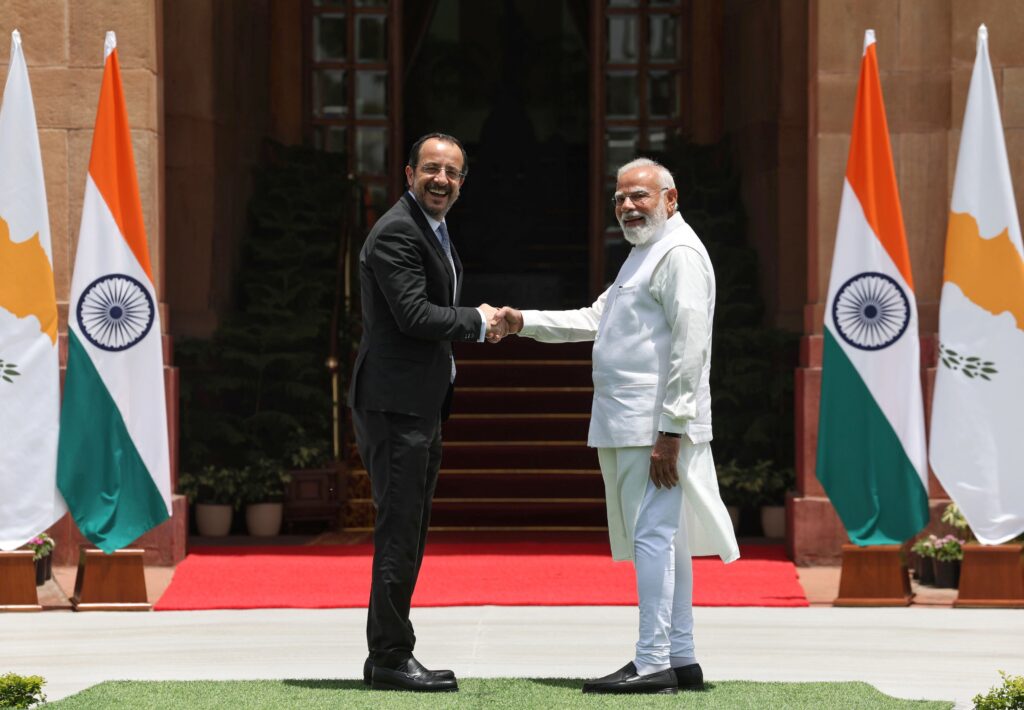
Christodoulides said Cyprus was uniquely positioned to serve as a reliable bridge between India and Europe, and between the Eastern Mediterranean and the broader Middle East. He said both leaders had continued discussions on IMEC, describing the initiative as “visionary” in reflecting the growing importance of reliable connectivity between the Indo-Pacific, the Middle East and Europe. He recalled Cyprus’s initiative to establish a group of friends of IMEC.
Christodoulides thanked Modi for India’s longstanding support for Cyprus’s reunification efforts and its backing of Cyprus’s independence, sovereignty and territorial integrity. He also expressed Cyprus’s support for India’s growing global role, including what he called its rightful place on a reformed UN Security Council. “Global governance must reflect the realities of today,” he said.