


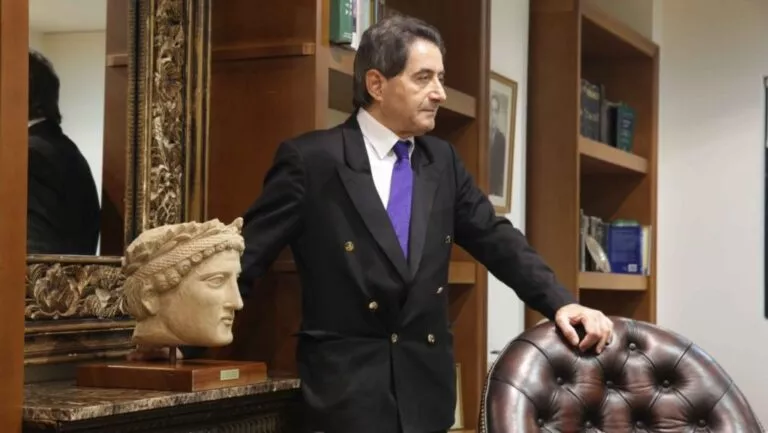
The Easter holidays in Cyprus were marked by a rapid series of developments in the “Santi” case following a police raid on the home and office of lawyer Nikos Clerides.
With no immediate explanation from the police to answer basic questions, the public was left with the impression of a blunt state intervention into sensitive professional data. The move appeared to directly challenge the fundamental principle of legal professional privilege. Given the existing public distrust of institutions, the authorities’ actions suggested a move to prosecute those reporting a serious case rather than those accused.
Following a second reading of the search warrant and consultation with legal experts, it appears that while safeguards were included on paper, the court failed to include the one measure that could have prevented uncontrolled police action and public suspicion.
Approval and execution of the warrant
The Attorney General’s office approved the request for a search warrant following a high-level meeting on Maundy Thursday. The request was filed late on Good Friday, and reports indicate the judge studied the application for several hours before granting approval at 1:00 am on Easter Saturday.
The warrant covered Clerides’ home, office, and vehicles and was executed around 7:30 am that same morning. The police later claimed that legal privilege was respected and that the search was essential for uncovering evidence in a criminal investigation.
During the raid, three mobile phones were seized. One device currently used by the lawyer was returned after three days. The police affidavit relied on a claim that “Santi” had contacted investigators on 7 April, stating she had previously handed over the wrong phone and had given the correct device to Clerides for safekeeping.
Safeguards dependent on good faith
Legal experts told Phileleftheros that while lawyers do not have immunity, the protection of legal privilege is vital to ensure the confidentiality of all other clients handled by a firm.
The warrant for Clerides did include two specific safeguards:
- The search was to be restricted to material involving the persons under investigation, with measures to protect third-party client data.
- For electronic devices, police were limited to extracting data relevant only to the specific case.
However, the problematic reality is that these safeguards rely entirely on the good faith of the police. In the current climate of institutional mistrust, paper-only restrictions do not prevent investigators from accessing privileged material, regardless of whether they later claim to have followed the rules.
The missing procedural check
Experts consulted for this report agree that the two existing safeguards were insufficient to guarantee the sanctity of legal privilege. They argue that a third safeguard was necessary: the presence of an independent representative from the Bar Association to oversee the search and ensure no privileged material was seized.
The addition of an independent observer would have provided the procedural guarantee required to protect the rule of law and prevent the warrant from being easily challenged in court.
Michalis Vorkas, President of the Cyprus Bar Association, noted that the inviolability of lawyer-client communication is a cornerstone of a fair trial. Lawyer Simos Angelides added that any search of a legal office must be accompanied by strict procedural guarantees and respect for the principle of proportionality to ensure the investigation does not become an uncontrolled violation of rights.

