


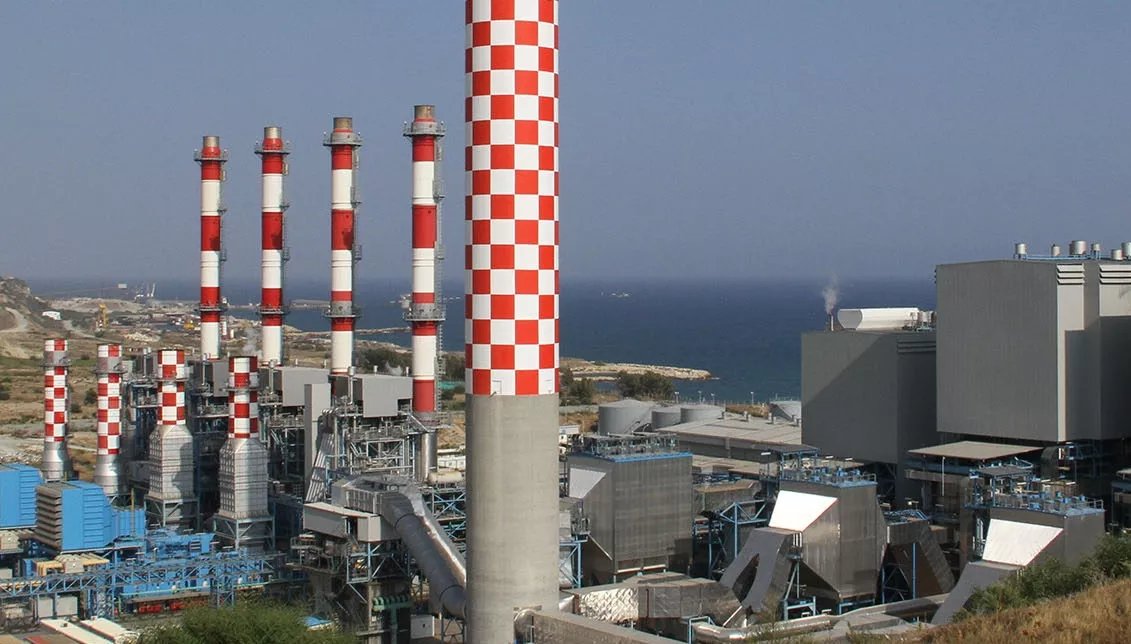
We have lost count, and it is hard to say with any certainty how many times the European Commission has asked us to retire polluting EAC generators (they all pollute, but these are beyond the limits), and how many times we have replied: “Give us another two or three years and we’ll take them out.”
It is quite possible that even the people responsible at the ministry do not know how many extensions there have been (each extension amounts to a failure to meet the previous one).
I asked a friend who follows the issue closely, and he told me: “Three extensions minimum.” Then there is the correspondence with the Commission and DG Energy that went on each time until yet another compliance timetable was agreed. Count that as well, and we may well have promised somewhere between 100 and 200 times, by text, email and letter (not counting phone calls, naturally), to remove the 40-plus-year-old steam boilers from Dhekelia. And before we had met our obligations at Dhekelia, the time came to meet them at Vasilikos too, and take generators out of there as well.
On Friday, Phileleftheros reported on the House plenary’s energy debate, held at long last on Thursday, and some readers left comments underneath.
We had reported that the House President took the floor unexpectedly, voiced her concern at what she was hearing about the electricity shortfall and wondered aloud: what will we tell people if, in 2029 or 2030, we lose half our power generation, with tragic consequences?
One reader commented: “So the House President is pretending to wonder what they’ll tell people! Well, they’ll tell us whatever they told us about the water shortage, which they caused themselves. It’s an old trick. They’re leaving us with no way out. They’ll take us to the brink of a blackout at the eleventh hour, so that the usual suspects can then appear like a deus ex machina, offering as the only solution that we buy eye-wateringly expensive electricity from their own mobile generating units. These will inevitably be licensed by way of exemption and through fast-track procedures, on grounds of national need, as we always do. So we’ll be forced to pay through the nose, we’ll say thank you and we’ll even call them saviours!”
I don’t know this reader, but I can tell from what he writes that he understands very well where things could be heading.
Another reader saw it from a different angle: “They will do absolutely nothing. They won’t replace them (the generators), but they won’t retire them either. They won’t retire them because they’re incapable of taking a proper decision so we can move forward, and they won’t replace them because they daren’t leave half of Cyprus sitting by candlelight!!!”
Nor, of course, do I know this reader. But he too knows exactly what he’s talking about.
And I’d go so far as to say that what this reader describes is quite likely to happen in the end. We’ll let time slip by unused (yet again), and when the point comes where we can no longer avoid widespread power cuts because of reduced generation, we’ll do what we did under previous governments too. We’ll tell the Commission: “Do you want us to leave people without electricity? Another extension.”
Sadly, it is already being said in offices, in meeting rooms and behind closed doors: “It’s not the end of the world if we ask for another few years. What else can we do? Be left without electricity?”
As a state (government, House, CERA, the system operators), we had more than enough time to study the electricity system, what it needs and what it can deliver, and our obligations to the EU, to citizens, to the environment and to the economy.
Once again, we didn’t. It is highly doubtful whether there is time to do it even now. Some are heading full steam ahead for another extension and another charade. Now we wait to hear from the minister, the President and the House.

