


For the third (or is it fourth?) time, the Parliament yesterday debated the much-discussed position of Fiscal Council Chairman Michalis Persianis that there’s “15% fat” in the fuel price and emissions costs paid by the EAC.
According to Mr Persianis, we could be paying 15% less for our electricity.
Consistently 15% cheaper electricity? Is that really feasible? Can one pull off such virtuoso moves in international markets and maintain a 15% advantage at all times? Or is it just occasional good fortune?
And isn’t there a risk that the EAC might go for wool and come back shorn – taking us all down with it?
After all, when you’re playing the markets, you can’t expect to always come out on top. In their November 5 letter to the board chairman, EAC unions demanded to know whether previous fuel forward purchases actually benefited consumers.
I hope Mr Petrou will enlighten both the unions and the public on this matter.
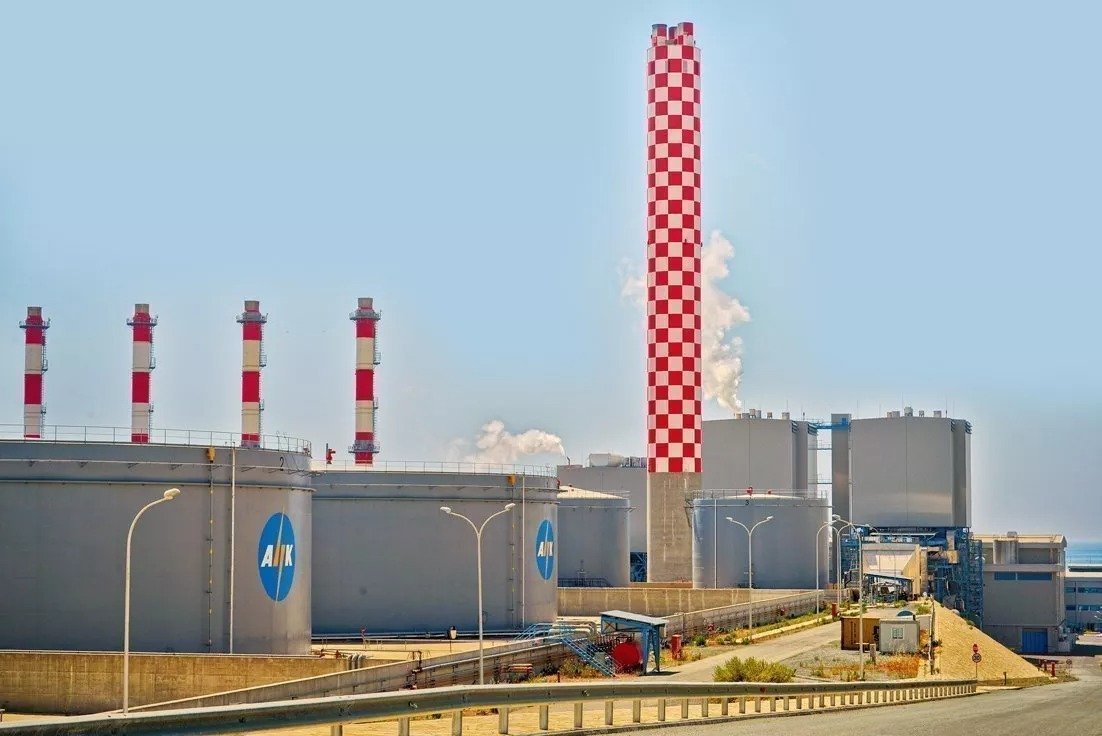
If Mr Petrou does respond, we’d like the EAC to explain whether some form of risk hedging (against potential sudden fluctuations in power generation fuel prices) is already happening through EAC’s large storage tanks, where fuel purchased at different times is stored.
This explains why the lovely Christina Papadopoulou, when asked “if diesel dropped by X dollars, why did EAC’s electricity only drop by -X?” typically responds “because this month’s cheaper fuel is stored alongside more expensive fuel from previous deliveries”.
The same applies in reverse. When fuel prices rise, the impact on consumers occurs gradually over 2-3 months.
This column hardly suggests that EAC should continue ignoring risk management practices through forward purchases or other instruments.
However, unlike Mr Persianis, other experts say this risk management method isn’t aimed at permanently reducing electricity prices, but rather at limiting sudden price fluctuations.
In short, yes, these practices should be utilised – and thankfully this board shows willingness in this direction – to the extent that it will stabilise consumer charges.
But we shouldn’t misleadingly give consumers the impression that power generation fuel shows very large and frequent price fluctuations, or that forward purchases are some permanent solution for cheap electricity.
Most importantly, certain MPs shouldn’t think that by discussing the so-called 15% fat in EAC’s fuel and emissions every Tuesday, they’ll justify themselves to public opinion for their reluctance to discuss in the Energy Committee far more substantive reasons keeping electricity charges high.
The CERA Vice-Chairman Alkis Philippou’s response was spot-on when Mr Hadjiyiannis called on the Regulatory Authority “to confirm the data submitted by the Fiscal Council about the 15% fat”!
Mr Philippou simply pointed out that it’s Mr Persianis who needs to present his analysis and the data supporting his 15% “fat” conclusion.
Mr Hadjigiannis apparently didn’t quite grasp this, saying he’ll raise this issue again at the committee’s next meeting.
And he’ll continue chasing chimeras, while the real fat in electricity pricing stares us in the face and our MPs refuse to touch it.

