


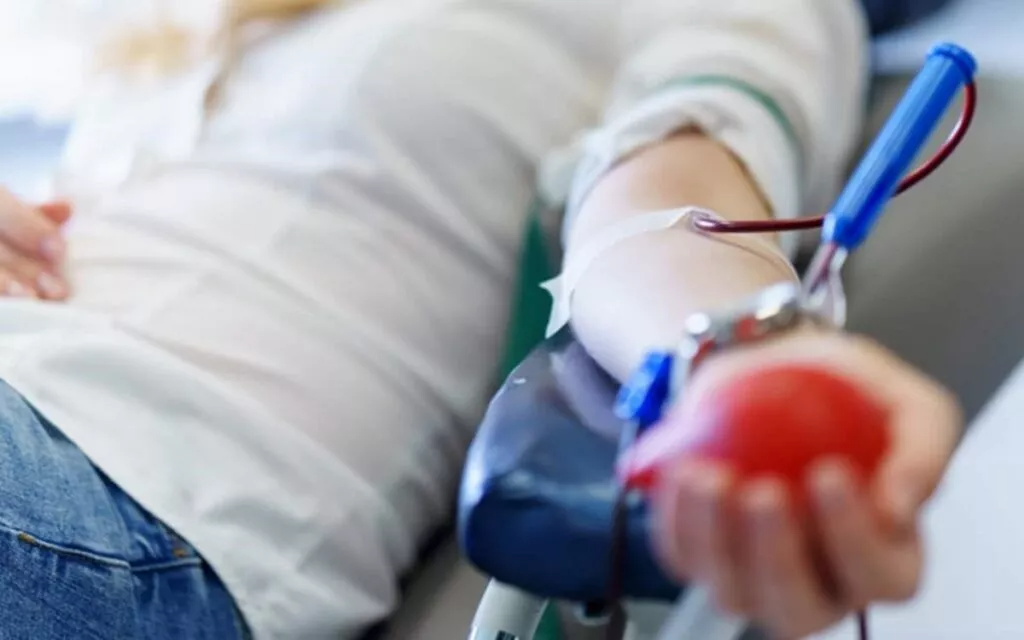
There are moments when the words of ordinary citizens capture with painful clarity a reality that the state either cannot or will not recognise. “We’ve started to feel lucky when there’s blood available for transfusion…” writes a transfusion patient, Miltos Miltiadous, describing the anxiety experienced daily by dozens of people with thalassaemia in our country. Not the anxiety of the illness itself, but the uncertainty of whether there will be enough blood, whether the two units they need will be found, or whether they’ll be forced to wait until next week, with all that entails for their health.
Mr Miltiadous’s observation that “the situation at the Thalassaemia Centres has begun to feel like another era” is no exaggeration. The blood shortages at the Thalassaemia Centres hark back to decades we thought we’d left behind, when the anguish over transfusions was a daily ordeal. Today, that feeling returns with menace—not because of some unforeseeable crisis, but due to a gradual weakening of the social reflex we call blood donation.
For years, Cyprus was a model society that tangibly supported its sick. Yet indifference, or simply the complacent belief that “blood will turn up from somewhere,” is now showing its consequences. Needs are rising, regular donors are dwindling, and shortages are recurring with alarming frequency.
This isn’t a statistical problem—it’s a matter of life and dignity. Every patient who worries whether they’ll receive the full transfusion they need experiences a double anguish: for their health and for a system that’s supposed to protect them. And this anguish should have no place in a modern society.
The message from the patients themselves is clear: gratitude to those who give, but also a plea not to take blood donation for granted. Giving blood isn’t simply an act of charity—it’s first and foremost a social duty. It’s the very least a healthy citizen can offer to ensure that someone else will live.
The Blood Centre and the Thalassaemia Centres perform tremendous work with limited resources. But the responsibility isn’t solely governmental or institutional. It’s collective. We need a new culture of blood donation—steady, sustained, not opportunistic. Society needs to remember that someone else’s life can literally depend on a small act that takes ten minutes.
As Miltos Miltiadous wrote: “We hope better days will come and that we’ll avoid the worst.” The question is whether we’ll allow ourselves to relive those “other eras,” or whether we’ll stand, as a society, at the height of the humanity that has always defined us.

