


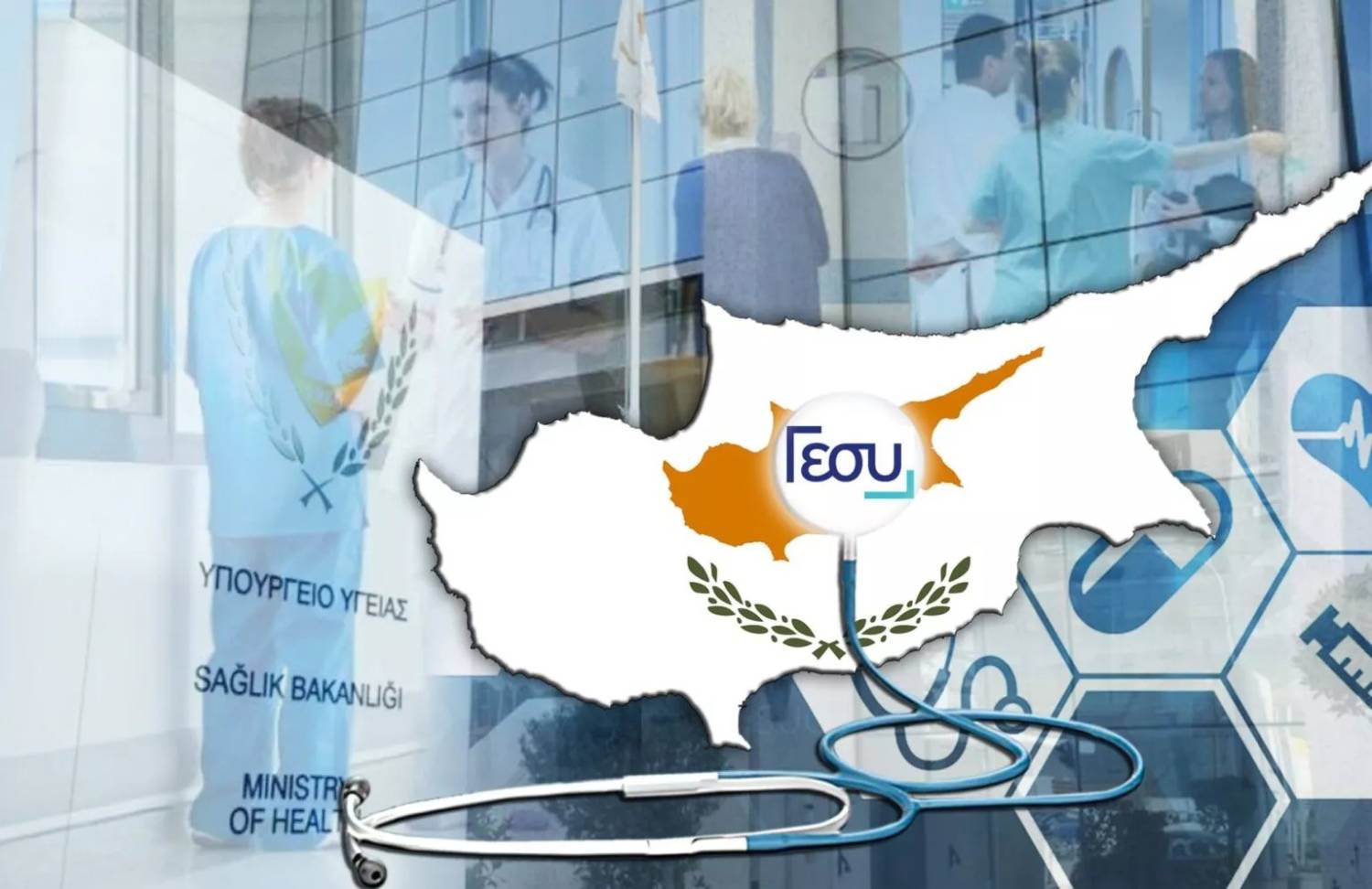
Seven years on from the launch of the General Health System, Cypriot society has every reason to acknowledge it as one of the most significant social reforms in the country’s history. The GHS did not simply change how people access healthcare — it changed the philosophy of care itself, making health a right for everyone rather than a privilege reserved for those who could previously afford the steep cost of private treatment. And despite the initial resistance and the doomsayers who predicted its collapse, the system not only held — it proved to be the principal line of defence during an unprecedented pandemic.
Before the system came into being, many citizens faced serious financial and practical barriers to getting the care they needed. Today, hundreds of thousands of beneficiaries have access to personal doctors, specialist services, diagnostic tests and medication within a single unified coverage framework. That shift has strengthened people’s sense of security and helped reduce inequalities in healthcare.
At the same time, seven years is not only an occasion for celebration — it calls for honest stocktaking. Reaching adulthood, so to speak, brings structural weaknesses to the surface that can no longer be brushed aside. Rising demand, long waiting lists in certain specialties, complaints of abuse, and the constant pressure to control costs are challenges that cannot be ignored. The sustainability of a universal coverage system depends on continuously improving oversight mechanisms, embracing technology, and ensuring responsible participation from everyone involved.
Equally pressing is the need to strengthen primary care and prevention. A modern health system is judged not only by how effectively it treats illness, but by how successfully it prevents it and promotes healthy living. Investment in prevention programmes, digital services and the ongoing training of healthcare professionals could be the GHS’s next significant step forward.
The GHS is our common home. It is an achievement that was hard-won and demands collective responsibility to sustain. Seven years of the GHS demonstrate that major reforms can succeed when they are backed by society and serve the public interest. Despite the weaknesses and challenges that remain, the balance sheet is unambiguously positive. The question now is not whether the GHS has succeeded — it has. The question is how it evolves to meet the needs of the decades ahead. Above all, what is needed is a health system that is human-centred, fair, and worthy of every citizen.

