


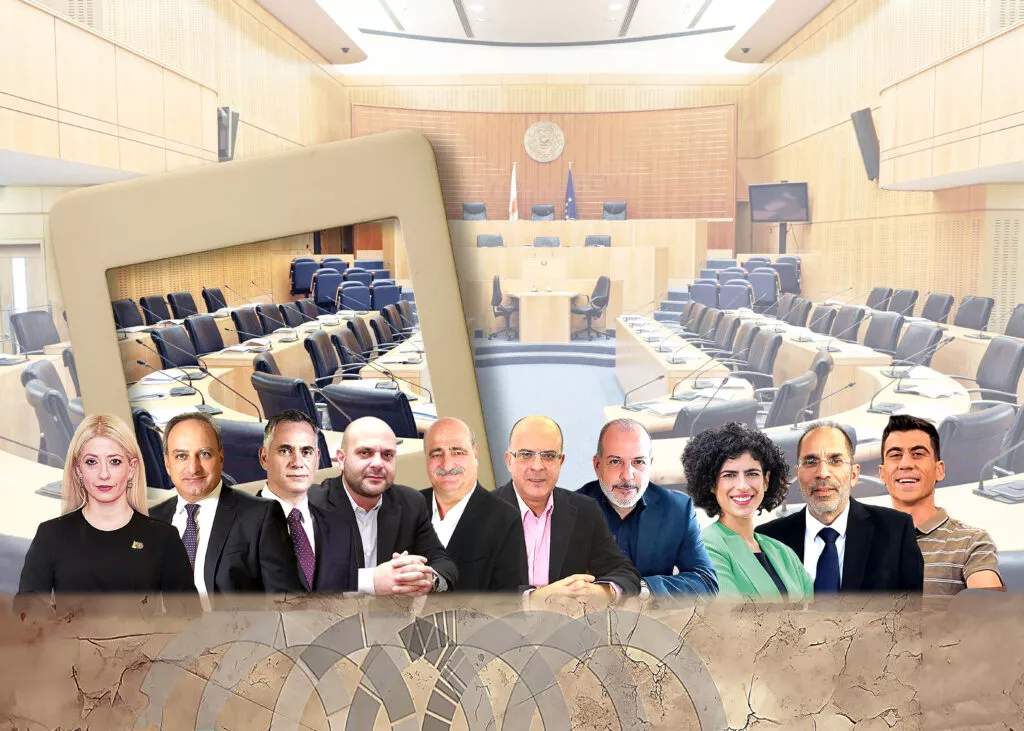
The polls on Sunday produced clear results and sent multiple messages. The real question is how each party chooses to interpret them — because that interpretation is where the next chapter of Cypriot politics begins to take shape. An election result can either be capitalised on or, just as easily, squandered. Political management, it turns out, may matter more than the result itself. That is especially true for the two big historic parties, both of which — for very different reasons — can count themselves among Sunday’s winners.
The headline finding is the dominance of the three historic parties: DISY, AKEL, and DIKO. DISY defied almost every poll and matched its 2021 numbers — a genuine achievement given the extraordinary volatility of the political landscape leading up to polling day.
AKEL, for its part, not only halted but reversed a fifteen-year slide. It posted higher vote shares and grew its raw vote count. That is bound to generate the kind of euphoria and optimism at Ezekias Papaioannou headquarters last felt on the first Sunday of the presidential election, when Andreas Mavrogiannis sailed comfortably into the second round.
DIKO, too, has every right to celebrate. It also upended virtually every forecast and broke into double figures.
Beyond those three, ELAM was another winner — doubling both its vote share and its parliamentary group. Though there is a second reading to that figure: the polls had suggested it could go even higher.
The broader picture tells a consistent story: voters chose stability, security, and — in large measure — conservatism. They went with parties they knew. They were not in the mood to experiment, take risks, or venture into the unknown.
The new parties simply failed to convince voters they were a credible alternative. Each for its own reasons.
ALMA, led by Odysseas Michaelides, arrived billing itself as the force that would shake everything up, with an eye on the 2028 presidential race. Instead, it ran aground — trapped inside a political narrative that proved self-destructive. The toxicity, on one hand, and the relentless politics of blame on the other, put off a significant chunk of the electorate. Winning four seats is not nothing. But measured against the expectations the party itself had cultivated, the final tally can hardly be called a success.
Direct Democracy was never really a serious political proposition — it was always more protest vote than platform. The extreme behaviour of some of its figures, and the prospect of those tendencies entering the new parliament, set alarm bells ringing across society. This time, voters did not act as impulsively as they had at the European elections.
Volt, by contrast, had a coherent team and a recognisable political project — whatever one thinks of it, it was a genuine offer. But it was buried under the dust kicked up by the notorious Sandy affair, and ended up locking itself into a defensive crouch around a case that was visibly collapsing in the public eye day by day.
As for EDEK, the Ecologists, and DIPA — they paid the price of their own internal wounds.
From here, everyone needs to read Sunday’s message clearly and make the right moves. Because those who misread it, or fail to act on it, may find themselves in the same position next time round — or worse.

