


We hardly needed formal confirmation that a large portion of our society is struggling with the low wages received by tens of thousands of workers. Yet now it’s been officially stamped – by European authorities, no less. A report from the European Statistical Service (Eurostat) ranks Cyprus among the countries with the highest percentages of low-wage earners.
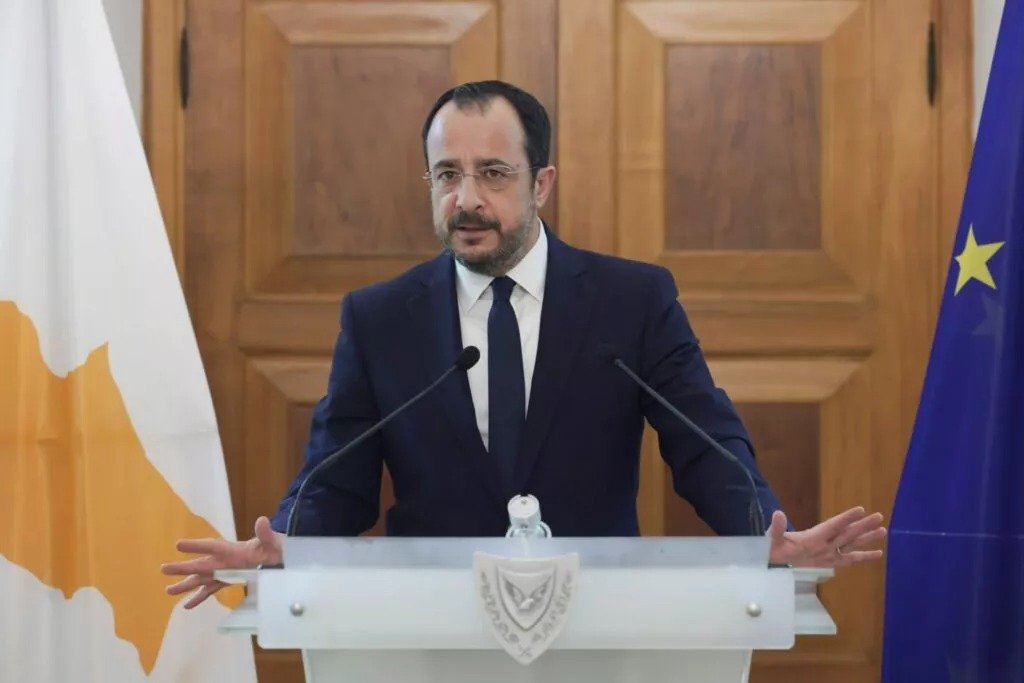
This painful confirmation of Cyprus’s reality comes just as Nikos Christodoulides’s election promises to support low-wage earners and the middle class collapse like a house of cards. Instead, his policies to date primarily benefit those who need it least and those who already receive substantial salaries.
First, let’s examine what the Eurostat report states. According to its figures, 20% of workers in Cyprus are low-wage earners, while the EU average is 14.7%. Young people and women face the greatest challenges.
The percentage of young people under 30 stands at 35.8%, when the EU average for the same age group is 25.2%. The percentage for women is 22.7% compared to 17.4% for men.
These disappointing figures become even more painful considering that those suffering financially had pinned their hopes on Christodoulides’s election promises. However, the policies that have been implemented do nothing to improve their dire situation.
The much-touted tax reform (now that it has been properly scrutinised) is essentially a gift to high earners. The increase in tax-free income from €19,500 to €20,500 is simply insulting. Given that one in two workers (49%) falls below the current tax-free threshold of €19,500, it means none of these people will benefit by even a cent.
This comes at a time when the burden of rising prices in recent years has literally brought them to their knees. And of course, no one forgets that the President’s pledge was for a tax-free threshold of €24,500.
Meanwhile, according to an analysis of data presented yesterday by my colleague Nansia Palala in Alithia newspaper, workers with incomes between €20,000 and €25,500 will see minimal benefit (approximately €200). This category includes the majority of the middle class.
As this column previously presented based on official statistics, the middle-income class comprises 64.1% of the population – that’s 587,144 people with disposable incomes ranging from €14,156 to €37,746 annually.
Of this 64.1%, however, 21.9% (200,975 people) have incomes between €14,156 and €18,873 per year. Therefore, they receive zero benefit from the tax reform. Another 30.3% of this 64.1% (equivalent to 277,292 citizens) have incomes between €18,874 and €28,309.
Consequently, the vast majority of them (those with incomes up to €25,500) will see negligible benefits.
Anyone can easily understand that more than 400,000 citizens of the so-called middle class will gain nothing or mere crumbs from this celebrated tax reform.
If you add to this the 256,951 individuals who fall into the poverty category, the scale of the provocation becomes clear. This confirms the mockery from Nikos Christodoulides’s promises.
Furthermore, when you consider who benefits from raising the income threshold from €60,000 to €80,000 for the highest tax rate of 35%, anger is inevitable.
Those who will gain significant benefits include all government officials with hefty salaries (including the President and ministers).
Add to this the outrage of multiple pensions (for very few people) and the across-the-board cost of living adjustment (CoLA) that doesn’t affect the vast majority of private sector employees, and the provocation reaches its peak.
So when Nikos Christodoulides rattles off numerous figures and so-called “achievements” from his two years in office during future television interviews, he should remember that citizens (beyond his die-hard supporters and those expecting to cash in on their votes) stopped swallowing rubbish a long time ago.
Even if they wanted to overlook the illusion of these listed “achievements,” at the end of each month, the painful personal survival figures for their families remind them of the harsh reality.

