


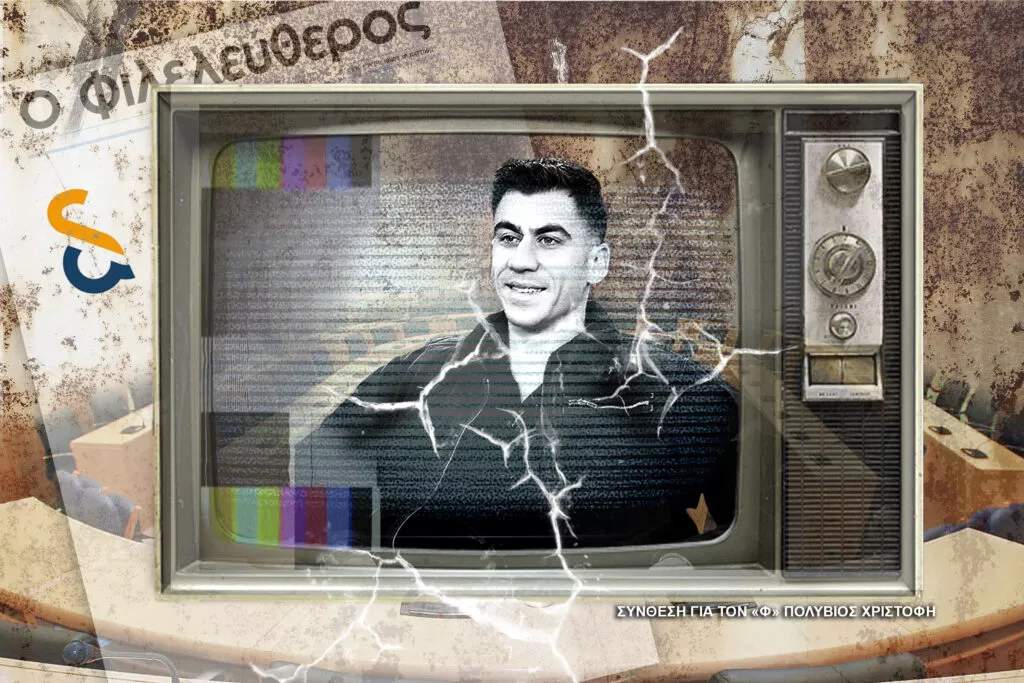
Social media has been flooded again in recent days with posts from Fidias Panayiotou — who, now in his new role as party leader, is attempting to do exactly what he did in 2024, just ahead of the European elections: walk the length of free Cyprus, signing up new voters to the electoral register.
Naturally, as with everything he does and presents as a political act, he’s filming the whole thing and streaming it live across all his social media accounts. Which he’s also filling with a steady stream of short clips — little vignettes featuring young people he encounters in the villages along his route.
He works the room — or in this case, the road — turning on the charm, as we say, coaxing the young people he meets to fill in the registration form he carries with him. Getting them onto the electoral roll. Getting them to show up and vote in the parliamentary elections. Take a wild guess at what — and who — those newly registered young voters will be voting for. Consider how imitation, as a social behaviour, operates among young people of this age, and how easily it can generate momentum.
What, you think it won’t work? Well, two years ago, when he first started walking and running day and night, working the crowds with people his own age, we laughed. A colourful character, we said. An attention-seeker. Someone having us all on. We know how that ended. He got his attention. He had his laugh. And he landed a sharp slap across the face of everyone who had been watching him, slack-jawed, as he pulled one silly stunt after another.
Because let’s be honest: Fidias Panayiotou is not a politician, and he never will be. He is a YouTuber and TikToker with a sharp instinct — perhaps innate talent — for digital marketing, and a gift for monetising himself. As a political figure. As the devoted future husband of Styliana. As a choirboy. As a content creator harvesting social media revenue. That is what he is, and that is what he will always be — along with Direct Democracy and whatever other philosophies various people are attempting to sell through him.
But that’s not actually the point here.
The real question is this: what have the parties done — what are they doing — about registering young voters? Nothing. They rely on whoever trickles in through student political wings — if anyone does — and on the Elections Service’s advertising campaign. Endless candidates, endless events, endless appearances on traditional media, endless posts and reels. Not a word about getting young people onto the register.
And it goes deeper than that. Because the challenge isn’t simply telling young people to sign up — it’s reaching them. Speaking their language. Giving them a reason to engage, or at least provoking them into finding one themselves. Making them think about why politics matters, why elections matter, why it matters to have some basis for deciding who deserves their vote.
What Fidias does is show up. He finds them where they are, has a casual chat about nothing in particular, and gets them moving. He doesn’t need to do anything else. He isn’t interested in doing anything else. And when those young people eventually get up and go to vote, the only name they’ll know is his — and the only party they’ll know is his.
By all means, keep sounding the alarm about the danger Fidias Panayiotou represents — about the parliament of clowns and populists that threatens to blow up both state and economy. But party leaderships might also want to ask themselves about their own responsibility for the open field they keep leaving him to play on.

