


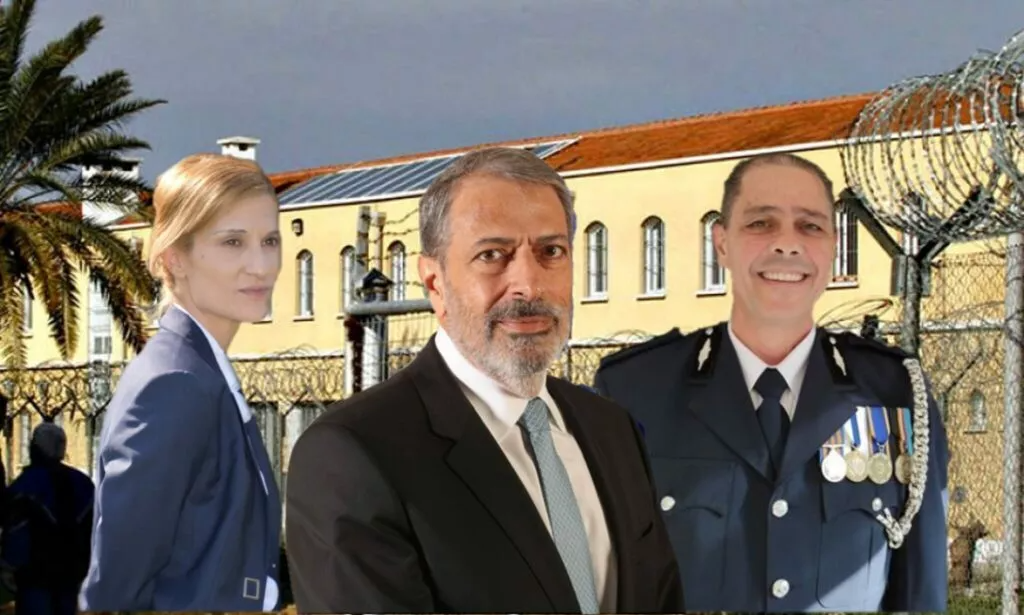
Unconfirmed reports suggest Netflix has once again drawn inspiration from Cyprus. And will return. For a third time.
Initially, the streaming giant was impressed by Anna Aristotelous’s performance and came to film a movie about the supposed model prison system. However, when the explosive conflict with Michalis Katsounotos emerged in 2022, alongside the Attorney General’s scandalous handling of the case, Netflix prepared a second series.
Originally marketed as “Prison Drama,” the show was later renamed something more fitting as developments defied all logical narrative: “Prison Fiasco.” Now, observing the emerging fiasco over state documents, Netflix reportedly plans a second season titled “The Prison Fiasco Continues.”
The Americans would hardly let such prime material go to waste. The Aristotelous affair has served for several years as a mirror reflecting everything wrong with this country: opacity, cover-ups, personal vendettas replacing institutional dialogue while brutally underestimating citizens’ intelligence.
Today, following media pressure, the Council of Ministers decided to suspend Aristotelous—a decision that should have been taken immediately, a week ago, Mr Christodoulides. This could have been avoided had she acted with institutional responsibility by taking leave from her director-general position at the Defence Ministry until investigations concluded. Instead, she chose to remain and play the victim.
The Netflix series immediately gained new episodes following the decision. Aristotelous’s lawyer spoke of a “cannibalistic operation,” “vengeful mania,” and “underground warfare.” He mentioned 300,000 documents for effect and criticised the police spokesperson for naming Aristotelous while saying “let’s not mention names” for others.
The response came swiftly. Katsounotos’s lawyer denounced these statements as false, defamatory and unsubstantiated, brutally damaging his client’s honour and reputation while undermining the credibility of republican and police institutions. He spoke of slander, attempts to manipulate public opinion, and obvious targeting of someone who was not only cleared but deemed worthy of promotion.
Amid these heavy statements and reminders of the past, we return to a crucial question: who is ultimately responsible in the Katsounotos-Aristotelous war? What connection does today’s documents case have with that conflict?
The answer largely lies with the Attorney General. When he appointed an independent criminal investigator (Achilleas Aimilianides) and concluded that criminal offences might have been committed against Michalis Katsounotos, the case never went to trial—not because it was deemed baseless, but because he invoked “public interest reasons.” What were these reasons? He never explained. Consequently, the question remained: was Katsounotos ultimately innocent or not?
Society never received an answer. Today, Anna Aristotelous attempts to repeat this mistake. She refuses to facilitate the process. Instead of choosing transparency—withdrawing temporarily to allow full investigation—she opts to denounce “cannibalism.” Yet anyone innocent does not fear investigation and scrutiny but rather seeks it, as only thus can one clear their name and dispel all shadows.
One cannot hold a position of responsibility (such as ministry director-general) while demanding immunity because they are “being persecuted.” The price of public office is strict accountability. Just as Katsounotos should have faced court judgment, Aristotelous must face judgment through full case investigation.
In her police statement when summoned for questioning as a suspect, she said she trusted justice but not certain police members. However, justice will decide. If she trusts it, she must facilitate the process.
Society cannot endure another chapter of dark innuendo, personal attacks, political protection and institutional misery. Things must finally be called by their proper names. Public interest cannot be trampled by those who invoke it to shelve cases at will. Equally, investigating responsibilities cannot be labelled “cannibalism,” nor cover-up attempts called “respecting institutions.”
The prison affair is not fiction but sick reality holding the Republic of Cyprus hostage to dangerous pathology. For any hope of recovery, everyone without exception in public office must finally understand they must accept scrutiny of their actions—in the light, not backstage. Whoever is innocent will be proven so through completely transparent procedures.
Otherwise, we will perpetually watch one side cry “conspiracy” and the other “slander.” Institutions, however, will continue being dragged through the mud. And Netflix will continue exposing us, filming one season after another titled: “The Cyprus Fiasco!”

