


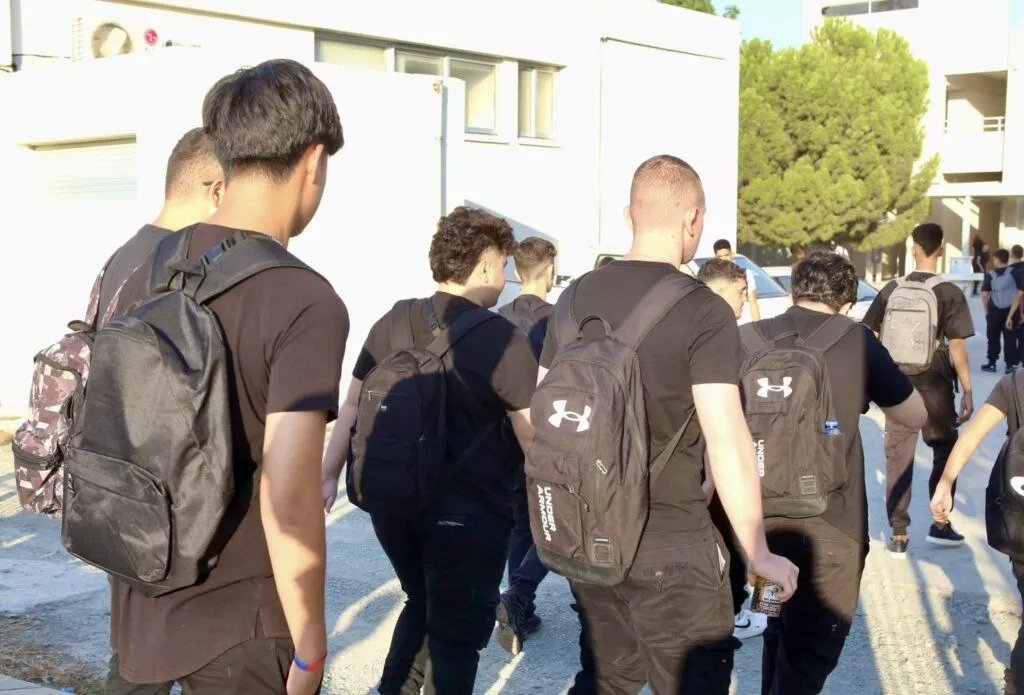
Students are implementing their decision to boycott lessons today. At the centre of the dispute is the lack of air conditioning in classrooms, for which the Ministry of Education has already rushed to develop a special scheme currently underway to cover all schools. However, certain observations reveal the matter has much deeper dimensions that genuinely cause concern.
We find ourselves in 2025 having to provide explanations for the inexplicable. How did we reach the unbearable situation where many school units operate without air conditioning in classrooms and halls, and we even consider this normal? The fact that infrastructure is outdated, electrical loads are too weak to withstand air conditioning pressures, and that we must ultimately run time-consuming and labyrinthine procedures to achieve the obvious, exposes us even further. This, of course, concerns all those who should have been implementing measures and planning over at least the past decades to avoid this dire position we have reached.
The fact that school air conditioning remains unresolved in Cyprus – an island with a sunny climate and prolonged heatwaves – poses a truly agonising question for which explanations must be provided by some. We mean all those who held such responsibility as competent services throughout these decades. The tragicomic aspect is that even schools built in recent years lack infrastructure for the obvious: installing and operating air conditioning systems. For pity’s sake.
How is it possible that a place which should be exemplary in energy infrastructure and resilience shows such great weakness, even in such a basic issue? The image of students trying to follow lessons in classrooms resembling “ovens” and “greenhouse” conditions – and let those who dispute this try the experience themselves – negatively and substantially affects the learning and concentration process. By extension, it affects the very quality of education, which constitutes a central priority for every modern state.
Where are all those who held responsibility for promoting necessary infrastructure for decades? Who paraded through positions of power? Why did they not take the essential measures to address such a vitally important issue? Students have the right to a safe and suitable environment for learning, and educators deserve dignified working conditions.
The inertia and indifference shown by some throughout all these years constitutes a primary affront. Cyprus, with its scorching sun, should have invested long ago – we are now too late – in the energy upgrade of its schools. Not running today’s planning efforts with so many obstacles. Students’ demands for air conditioning connect with the requirement for improving education quality.
If we fail to grasp this, then the problem is even more serious.

