


By Christophoros Anayiotos, Board Member, Deal Advisory and Head of the Real Estate Industry Group, KPMG in Cyprus
Older generations remember that upon arriving in Limassol, the first thing that stood out on the skyline was the port’s gantry cranes. For decades, the port — a pillar of the local economy — was the beating heart of business activity in the city.
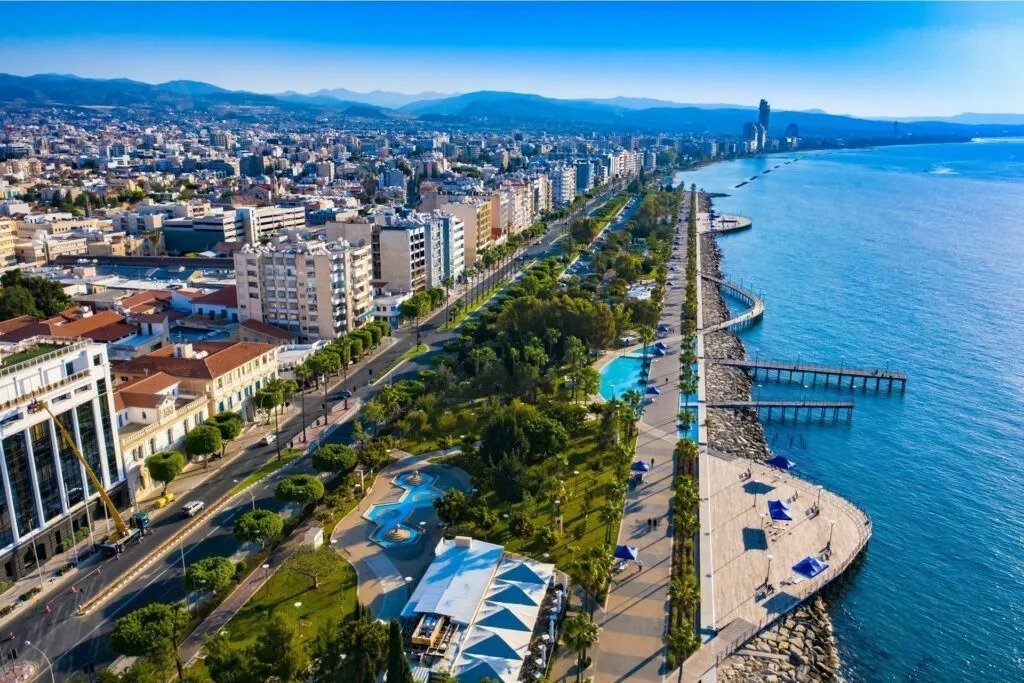
Today, both the skyline and the business landscape of Limassol have changed dramatically. While shipping activity remains central — providing vital support to the Cypriot economy — Limassol is no longer confined to its traditional role. The city has transformed into a multifaceted business ecosystem with a future-oriented outlook.
Limassol’s Appeal to Foreigners
The history of migration to Limassol reflects its enduring appeal. From Lebanese nationals in the 1980s seeking a safe environment, to people from former Soviet countries drawn by the mild climate and stable institutional framework, Limassol has consistently been a first-choice destination.
Its geographical location, access to the sea, and advanced infrastructure gave it a competitive edge. At the same time, the hospitality of Limassol’s residents and their business-friendly culture created the right conditions for foreign business communities to gradually integrate and thrive. In turn, these communities attracted more professionals, playing a crucial role in shaping a multicultural and dynamic city.
From Real Estate to High Technology
Limassol led the development of the luxury real estate market and villas, establishing itself as a refined, high-end Mediterranean destination. But the growth did not stop there. Instead, it laid the groundwork for attracting other industries beyond real estate.
Of particular importance is the rapid expansion of the ICT (Information and Communication Technology) sector. Real estate investments are no longer the main driver of growth, but rather the result of increased demand created by business activities. Landmark projects such as the Limassol Marina, the integrated casino-resort in West Limassol, and Limassol Greens have further enhanced the city’s image as a premium destination for living and working.
The Numbers Speak for Themselves
In the real estate market, Limassol has demonstrated notable resilience and growth. Between 2008 and 2024, the annual growth rate of sales contracts in the district reached 2.58%, compared to just 0.46% island-wide. The transaction growth rate in Limassol was over five times the national average. Current data from 2025 shows that Limassol accounts for 31.7% of all transactions in Cyprus, proving its sustained demand and consistent momentum.
Employment and Skill Development
Business growth is also reflected in employment indicators. From 2015 to 2024, the national labor force grew by 3.5% annually, while Limassol’s workforce expanded slightly faster at 4%. Even more impressive are the numbers in specific sectors: in Information and Communication, Limassol saw an 18.2% annual growth rate, compared to 12.1% nationally. Similar trends are seen in construction and real estate development (18.1% vs. 8.8%) and in professional, scientific, and technical activities (6.1% vs. 4.0%).
It’s also important to recognize Limassol’s indirect impact: many businesses based in other cities now provide services to clients in Limassol, further strengthening the broader economic ecosystem.
A City Undergoing Holistic Transformation
Limassol’s development is no longer limited to the ever-evolving skyline shaped by modern construction. It’s primarily about the evolution of business activity and the infrastructure supporting it. On one hand, tech companies, startup ecosystems, and related ventures are gaining prominence; on the other, growing demand fuels the need for fresh investment.
Millions of euros have already been invested in upgrading luxury hotels, creating internationally renowned restaurants, and enhancing tourism and leisure offerings. Simultaneously, significant investments are being made in the education and healthcare sectors, aiming not only to meet demand but also to improve the quality of services offered.
The Sustainability Challenge
The biggest challenge now is ensuring the sustainability of this growth. Limassol’s future depends on its ability to adapt. This includes integrating technological education into the school system and boosting the upskilling and reskilling of the existing workforce. Strengthening local participation in the digital and tech economy can help reduce social inequalities and improve overall quality of life.
The Strategic Next Chapter
Limassol has raised the bar. What’s needed now is strategic planning and multilayered collaboration to maintain — and enhance — its leading role in Cyprus’ business future. With ongoing investment in infrastructure, human capital, and quality of life, it can become an international model of modern, outward-looking, and sustainable development.

