


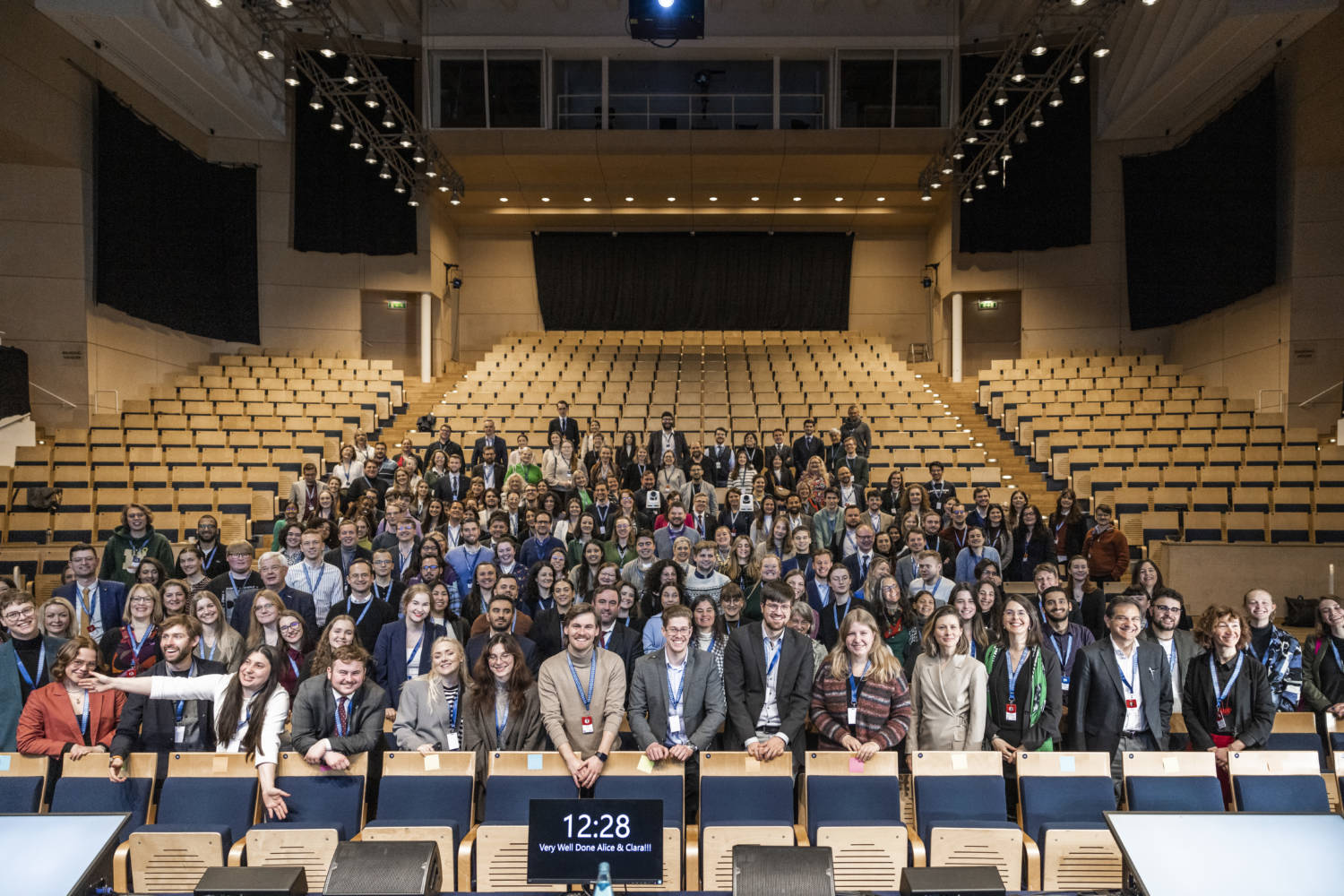
Young people from all over Europe met in Växjö, Sweden between March 20 and 22 to shape the EU’s Youth Strategy under the framework of the European Youth Conference.
The conference gathered more than 250 representatives of National Youth Councils and international youth organisations, representatives of the European Youth Forum, the Council of Europe and the European Commission, as well as politicians, ministers, policymakers and technocrats who met in Sweden to discuss young people’s suggestions on the future of the bloc.
The suggestions were based on the results of the ninth cycle of the EU Youth Dialogue (EUYD), a participatory process between young people and decision-makers, which aims to ensure that the views and needs of youth are taken into account when defining European policies.
The conference aimed at coming up with concrete recommendations, resulting from consultations with young people in every member-state, related to EU Youth Goal #3 Inclusive Societies and Youth Goal #10 Sustainable Green Europe.
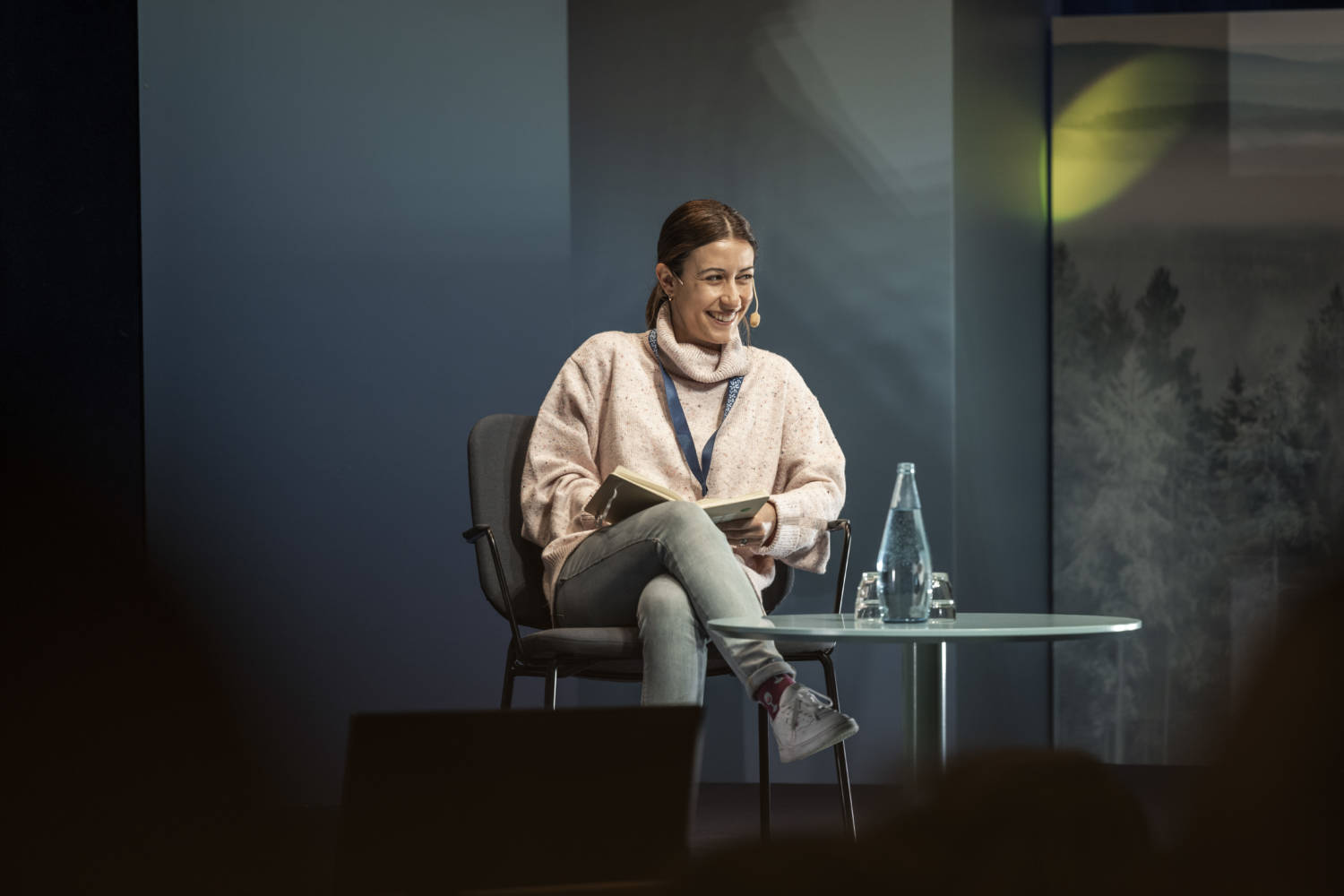
Christiana Xenofontos, Vice-President of the European Youth Forum (YFJ), participated in the conference on behalf of the YFJ, which is chairing the process of the EU Youth Dialogue on a European level.
On March 22, during a panel discussion at the closing of the conference, Xenofontos had the opportunity to share an overview of how the EU Youth Dialogue has developed throughout the years.
In her statements, she emphasised the fact that the EU Youth Dialogue is the biggest participatory mechanism in Europe, bringing together policymakers and young people to form youth policies.
Moreover, she stressed that 2018 was a milestone for the Dialogue, as it was the year when the EU Youth Goals were decided and included in the EU Youth Strategy.
After the closing, Xenofontos presented the five recommendations that were concluded in the Conference at the EU General Directors’ Meeting for Youth.
The five final recommendations from the EUYC, which will be included and voted on in May 2023 in the resolution of the EU Council are:
Action & Empowerment:
Member states are urged to guarantee independent advisory boards on a local level (e.g. Youth Councils), consisting of and selected by young people with an intersectional emphasis on young people with fewer opportunities.
Education and Information:
Member states should ensure equal access to user-friendly information on sustainability and climate change through inclusive and empowering non-formal and formal education fostering intergenerational dialogue and learning.
Access to infrastructure:
The EU Commission and the Member States are urged to provide an affordable and accessible “Youth Climate Ticket” as a universal multimodal tool for public transportation at the regional, national, and international levels, and the EU commission to support Member States in advancing sustainable ways of public transportation.
Governance:
Developing legislation ensuring accountability and transparency in environmental and sustainable development policy, making processes and supporting participation and evaluation mechanisms which enable this (e.g. youth bodies, EU youth test) at local, regional and European levels.
Mobility And Solidarity:
The European Commission and Member States are urged to create action plans, aimed at the formal education sector and labour market, to ensure formal recognition of experience and key competences acquired through participation in volunteering and learning mobility.

