


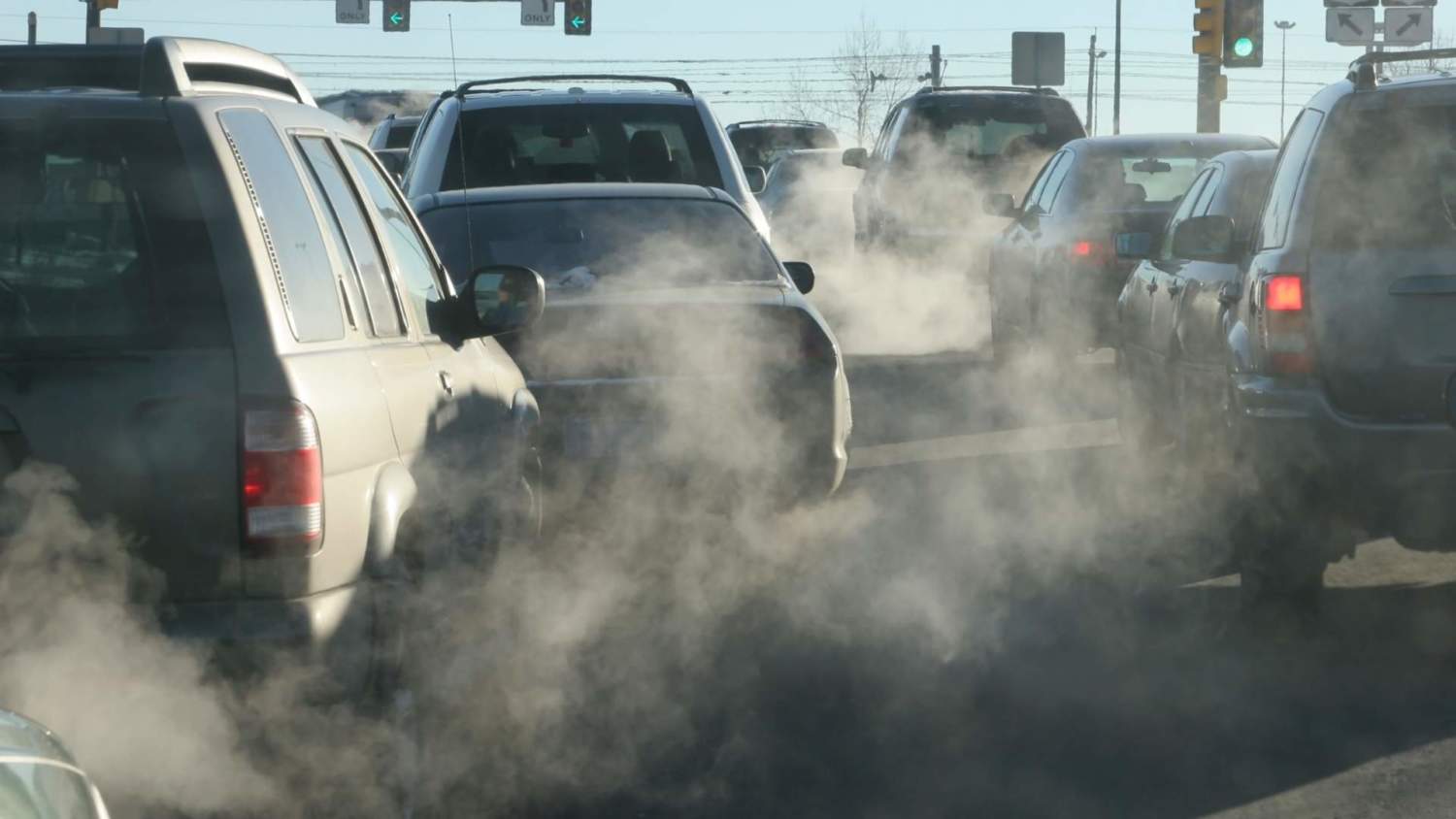
Researchers from the Cyprus Institute, Germany’s Max Planck Institute for Chemistry, and doctors from the University Hospital of Mainz have found that long-term exposure to ultrafine particles is linked to nearly two million premature deaths worldwide every year.
An unmonitored pollutant
Ultrafine particles (UFPs) are extremely small, with a diameter of less than 100 nanometres, and come mainly from combustion processes linked to road traffic, industry and energy production. Their tiny size lets them penetrate deep into the lungs and enter the bloodstream, and long-term exposure has been linked to a higher risk of cardiovascular disease and other serious health effects.
Current EU air quality rules do not set regulatory limits for UFPs. Most scientific studies and air quality monitoring to date have focused mainly on the larger PM2.5 and PM10 particles, leaving data on UFPs limited.
First global estimate of exposure and health impact
The study produced the first high-resolution global map of UFP exposure, covering population exposure worldwide at a resolution of one kilometre. This allowed the researchers to estimate the pollutant’s health impact more precisely.
The nearly two million premature deaths linked to UFP exposure account for about 5% of deaths from non-communicable diseases, with almost half linked to cardiovascular disease. The highest concentrations were found in areas with higher emissions from those same sources: road traffic, industry and energy production.
Mitigation potential
The researchers estimate that setting an annual limit of 5,000 particles per cubic centimetre of air could cut global mortality linked to UFP exposure by about 45%.
What the findings mean
The study’s authors called for a substantial cut in emissions from combustion processes in cities, along with a faster shift to non-fossil energy sources. They also stressed the need to include UFPs in systematic air quality monitoring so their long-term health effects can be properly recorded.
Dr Jos Lelieveld, Professor at the Cyprus Institute, Emeritus Director at the Max Planck Institute for Chemistry and first author of the study, said ultrafine particles remain “a significant gap in air quality policies,” present almost everywhere in cities yet not systematically monitored. He said the study provides, for the first time, a global picture of exposure to these particles, their main sources and their health effects, adding that the new data can help shape more effective policies to improve air quality and protect public health.

