


By Elena Loizidou, President of Cat Alert Nicosia
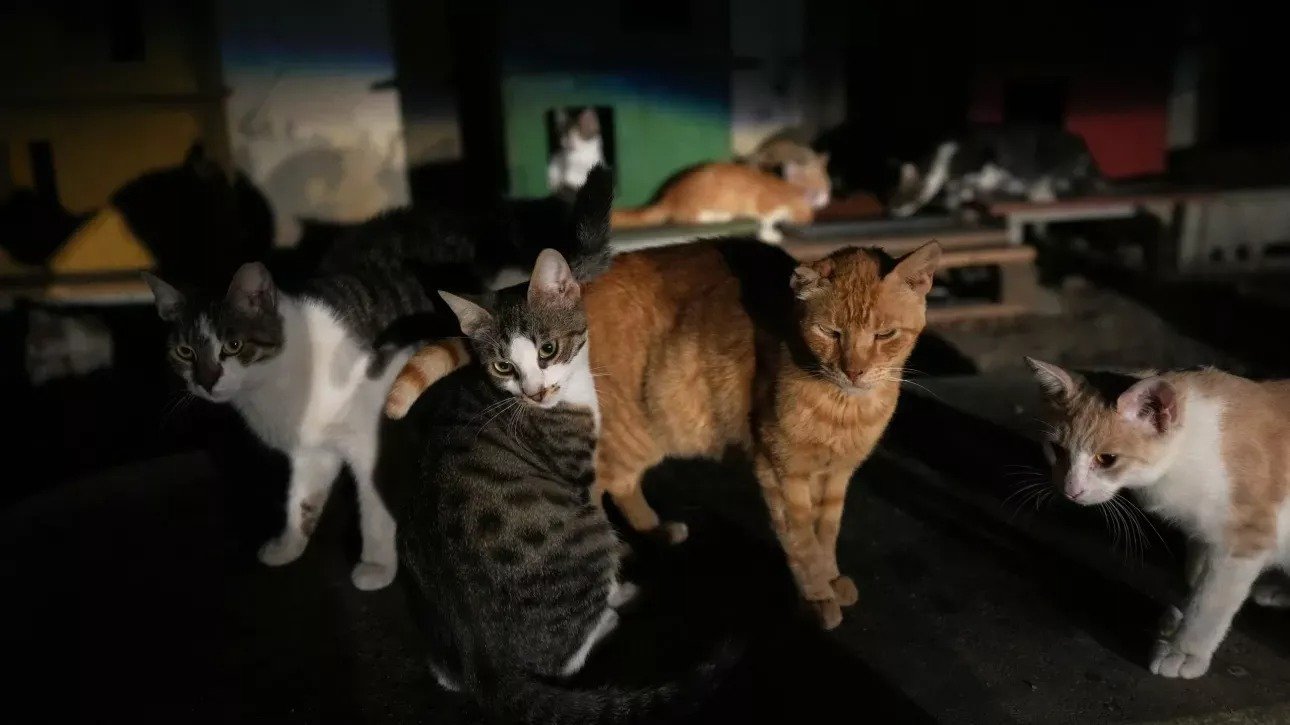
Cat Alert Nicosia is a group of people who have been on the front lines for years, almost every day of the year, dealing with all aspects of stray cats‘ lives.
A few months before the next parliamentary elections, the issue of stray cats surfaces again. This time, we’ll tell the bitter truth: The problem of stray cats will not be solved because we simply don’t want to solve it.
The Cypriot government’s decision several years ago to close the government veterinary clinics where people could sterilise their cats completely free of charge year-round, and the subsequent agreement to purchase sterilisation services from private veterinary clinics, has led to an increase in the stray cat population to unprecedented numbers, especially considering the size of the island.
A huge number of cats now live inside people’s homes, a problem that the authorities will soon be called upon to address as it will become a public health issue.
In the last year and a half, charges at most private veterinary clinics have doubled and tripled. In the vast majority of private clinics, neutering a male cat reaches and exceeds €50 and a female €85-120.
Stray, semi-owned and owned cats all fall into the same category, regardless of the fact that only the third category has guardians. This is perfectly understandable, since a private veterinary clinic is a profit-making business with operating costs and profit objectives.
Unfortunately for everyone, especially municipalities, a large portion of our fellow citizens who care for semi-owned cats and who in previous years undertook the sterilisation of mainly female cats; now the only phrase heard is “I just feed them; I can’t sterilise them,” using the increased price of sterilisation as their argument.
Stray cats increase because they aren’t sterilised! With the free vouchers from municipalities and the state, the overwhelming majority of sterilisations are for owned and semi-owned cats. So, the problem remains and perpetuates.
When municipalities agreed years ago to take on the welfare and control of stray cats, apart from financial support, they agreed to provide the manpower and equipment to help trap the wild stray cats that breed year-round.
And we all know very well that town halls transferred this responsibility to animal welfare organisation volunteers too.
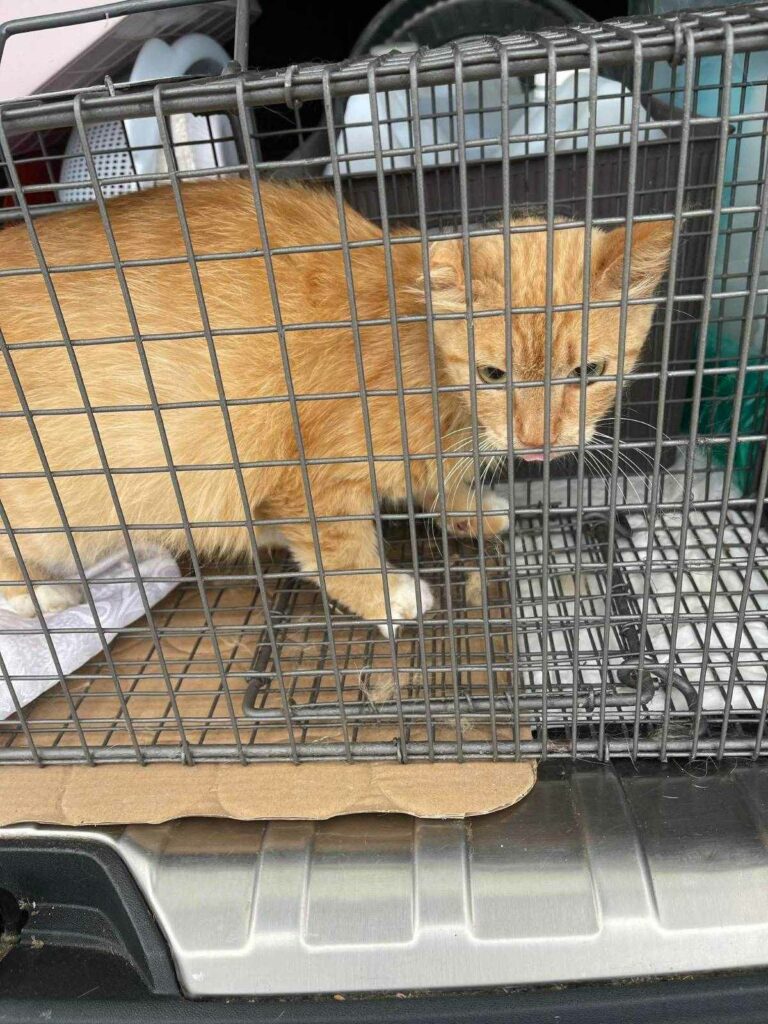
The same applies to Veterinary Services. They distribute vouchers for stray cat sterilisations, but ultimately it’s the friendly, owned cats that get sterilised—those that you can easily place in a carrier basket by hand.
Over the last year, Cat Alert Nicosia has withdrawn its interest in participating in the government voucher program. As in all professions, there are good and bad professionals in veterinary medicine. We consider it unacceptable to be forced to take cats to a vet who doesn’t inspire our confidence.
Moreover, the vast majority of private vets participating in the programme request a pre-arranged appointment. This means only owned cats get sterilised, since this isn’t possible with strays.
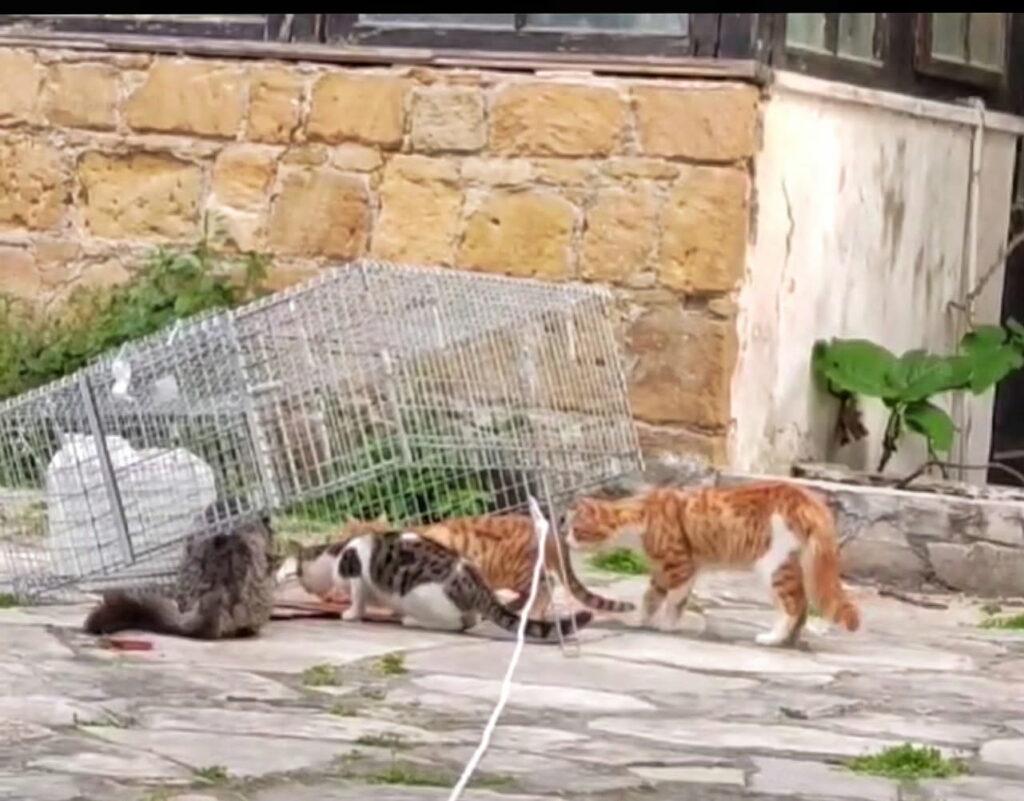
For trapping stray cats, above all, you need good, large and expensive equipment with the ability to trap a large number of animals in a short time. The success of the sterilisation programme in an area must exceed 90%, since otherwise, within a short period with successive births, the situation will be the same or worse.
A volunteer is an employee, a family person with professional, social and family obligations. Therefore, trapping usually takes place late at night, on Sundays or holidays.
When there is no access to immediate delivery of these animals to a veterinary clinic, the volunteer must take them to their home, hosting them, disturbing the peace of their own home, until the next working day to take them to a private vet.
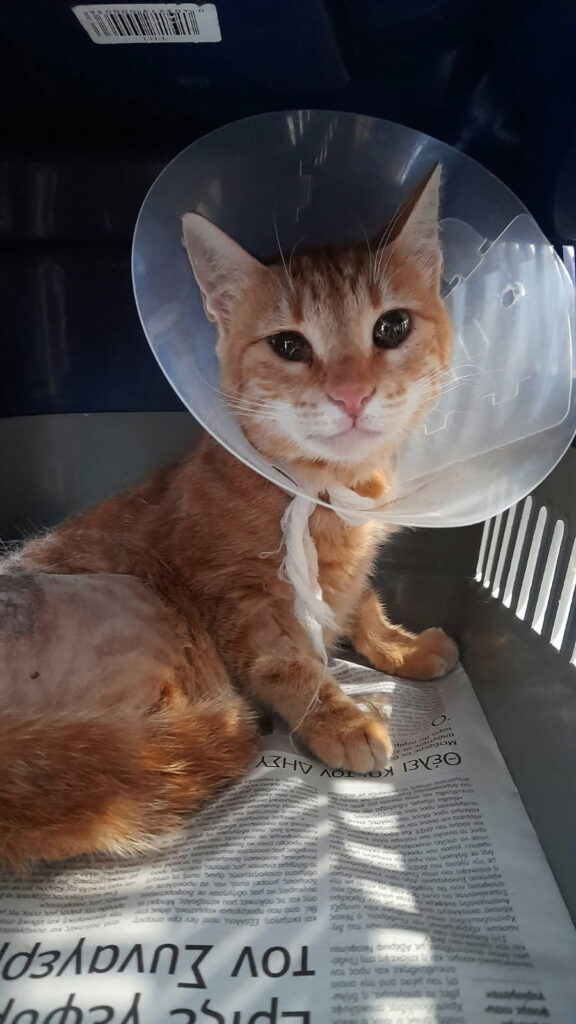
During periods of bad weather conditions (heavy rainfall, very cold or very hot), they may need to host them again after their sterilisation until their full recovery, since in a private veterinary clinic the stay is one night.
Proposals for addressing the issue
The result of all these difficulties is that the enthusiasm for volunteering is replaced with discomfort, fatigue and ultimately abandonment of the effort. Add to this the dumped newborns, the sick, those hit by cars. Finally, in Cyprus, whoever deals with strays dies poor!
Cat Alert Nicosia proposes that whatever funds are approved each year should be given for the operation of non-profit clinics (governmental, municipal or animal welfare organisations in cooperation with municipalities) with the employment of veterinarians by the state for year-round, completely free sterilisation of stray and semi-owned cats.
Also, the employment by municipalities of people who, with appropriate equipment and in cooperation with animal welfare organisations, could contribute to the trapping of stray cats and their transport to these clinics. Because the problem is focused exactly there—that stray street cats aren’t being sterilised.
It would be important to establish legislation for cats, aimed at preventing abandonment of newborn cats and, possibly, requiring those who feed cats outdoors to sterilise them.
A prerequisite, of course, would be access to sterilisations at zero cost, so this would be achievable. Stray cats cannot be sterilised at private veterinary clinics with citizens of this country bearing the cost.
Additionally, the possibility could be examined for large volunteer animal welfare organisations from abroad who offer completely free sterilisation, de-worming and marking programmes for stray animals to come to Cyprus to perform sterilisations.
Bulgaria, Romania, Portugal, Spain, Serbia, Albania, and the latest striking example, Greece, where dogs and cats are sterilised completely free from donations and volunteer veterinarians from abroad.
The Veterinary Association’s latest proposal, which reaches €3 million a year, is financially unfeasible since, again, it would burden citizens’ pockets with all the illnesses and veterinary care a stray cat would need during its life.
Strays are the state’s responsibility. The state doesn’t absolve itself of its responsibilities by sterilising 2,000 cats out of the nearly 2 million that exist.
Even if the fund increases to €300,000. The 6,000 cats that would be sterilised Cyprus-wide per year are a drop in the ocean.
If the state continues to be theoretically present but essentially absent on this issue, thousands of cats each season will die before they can open their eyes, and thousands more will lose their lives from poison.
All these years, a relaxed policy has been followed in dealing with the stray cat problem that simply worsens the situation year by year. The water isn’t lost because the bathtub overflowed, but because no one wants to fix the tap!
Read more:

