


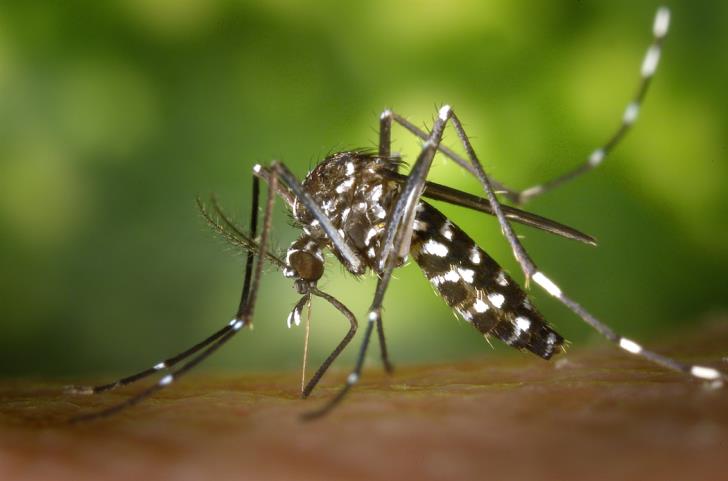
The Sterile Insect Technique method that was applied in Cyprus in June in a bid to eradicate invasive mosquitoes in coastal Kiti district has yielded positive results.
And it is now set be applied to coastal Limassol as well, Philenews reported on Wednesday.
Aedes aegypti mosquitoes were first detected last October in communities adjacent to Larnaca international airport, mainly the Kiti area.
The method had been piloted since last June in the community of Kiti where 100,000 sterilized male mosquitoes are released every week. The sterilization takes place at the IAEA plant in Austria.
Herodotos Herodotou of the Mediterranean island’s Health Service said that although final conclusions will be drawn at the end of the year – with the completion of the program – initial results are positive.
“We have good results and have largely eliminated the complaints coming from overwhelmed residents. By the end of July we were not even finding eggs of these mosquitoes,” he also said.
The mosquito sterilisation method will be implemented in March 2024 in areas of Limassol as well, he added.
Limassol has a big problem with the Aedes albopictus (tiger) mosquito.
“These mosquitoes will come from Italy…we have been told they will be ready to be delivered to us next year. The Limassol area is more difficult because the tiger mosquito is found throughout the European Union,” he said.
“There, we are talking about mosquito population control, not eradication,” he added.
Mosquito-born diseases in Cyprus on the rise
Figures from the European Centre for Disease Prevention and Control (ECDC) showed that mosquito-borne diseases, such as dengue fever, recorded a “striking” rise in Europe due to the changing climate and the spread of mosquitoes carrying the viruses.
“If this continues, we can expect to see more cases and possibly deaths from diseases such as dengue, chikungunya and West Nile fever,” said Andrea Ammon, ECDC director. “Efforts need to focus on ways to control mosquito populations, enhancing surveillance and enforcing personal protective measures.”
The agency said that the mosquito species Aedes albopictus, which spreads chikungunya and dengue, was moving further north and west in Europe. Aedes aegypti, which spreads diseases including dengue, yellow fever and chikungunya, became established in Cyprus last year and could make further inroads, it said.
Read more:
Authorities releasing sterile male mosquitoes into the wild to control overpopulation

