


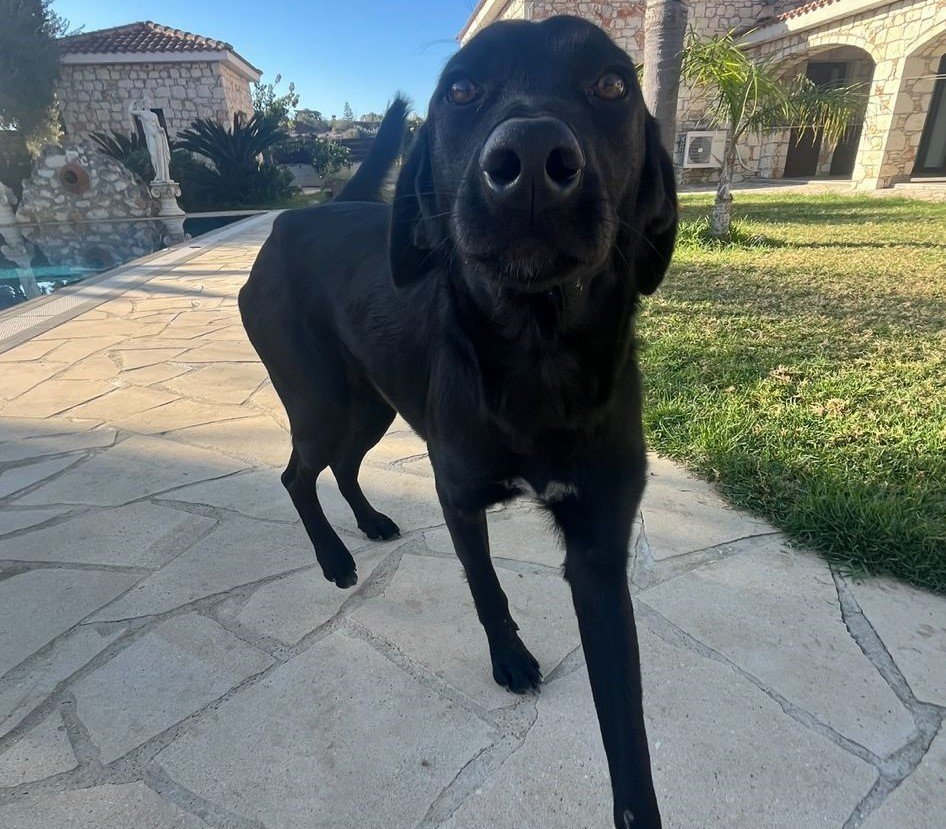
The De Bono couple were on holiday when their housemaid made the frantic call. One of their rescue dogs, Hutch, had collapsed without warning, dead before it hit the ground. It wasn’t until their second dog began convulsing days later, its eyes rolling back as if “possessed,” that the horrifying pattern emerged. Someone in their quiet, rural neighbourhood in Ergates was poisoning their pets.
“We’re animal lovers,” says Mrs De Bono, her voice tight with emotion. “We’ve never seen anything like this before.” The British couple, who relocated to Cyprus from Malta over two years ago, have transformed a room in their home into an impromptu shelter for rescued animals.
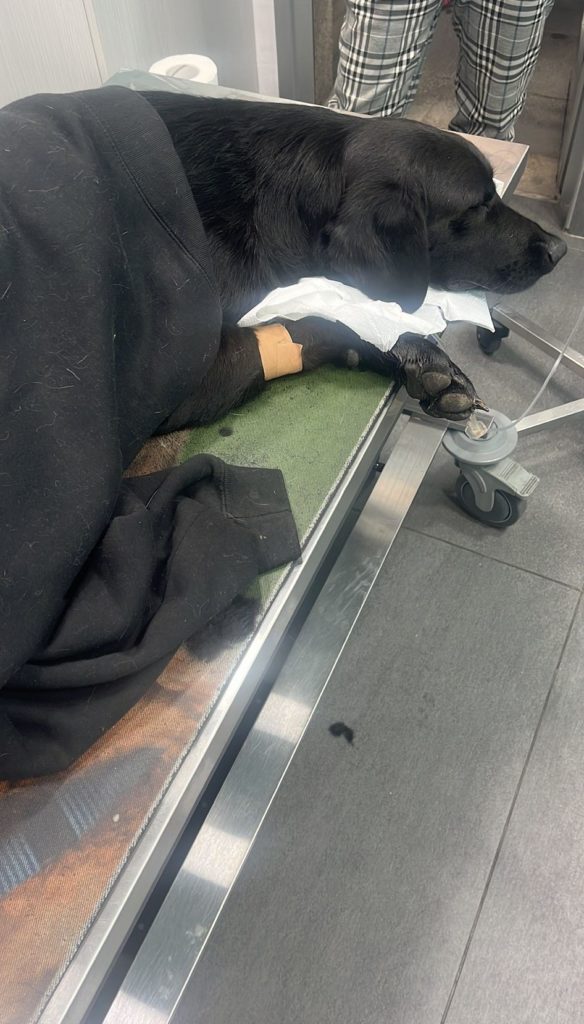
But their love for animals has collided with what they describe as a darker reality of life on the island: a culture of casual cruelty toward animals. The poisoning of their dogs—one fatal, one narrowly survived thanks to swift veterinary intervention—exposed not just the act itself, but a system seemingly designed to discourage justice.
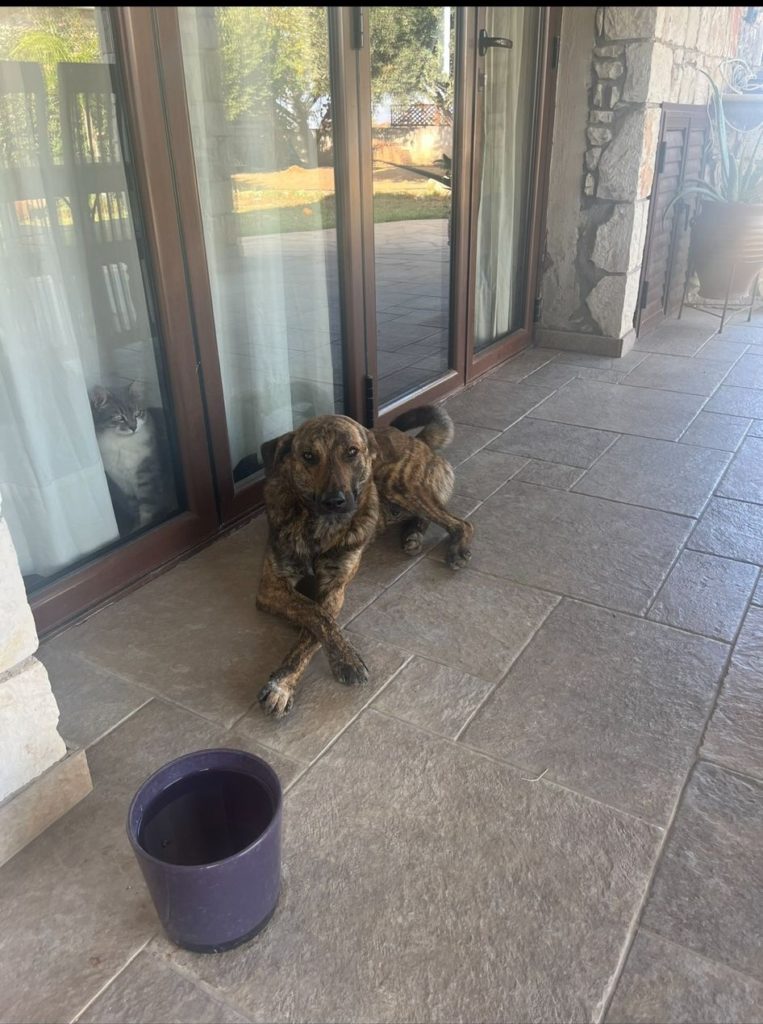
When the De Bonos sought to file a police report, they were met with a warning from acquaintances and friends: as foreigners, they were advised against reporting the crime. Moreover, because their dogs had jumped their high fence—a detail that could theoretically make them liable for prosecution. “The bureaucracy stops people from coming forward. It’s mad that the government is stopping people from coming forward,” they say. “We work, we pay taxes here. It should be the same for us,” Mrs De Bono says, frustration evident in her voice.
Walking through their adopted village, the De Bonos point out the visible signs of what they consider a systemic problem. Chained dogs languish in yards, exposed to punishing weather conditions. “In the UK, you’d be arrested for having a dog chained,” Mrs De Bono adds. “In Malta, they’d send the police.”
The local animal sanctuaries struggle with chronic underfunding. Perhaps most troubling is the ease with which residents can obtain deadly chemicals—the very substances that found their way into the poisoned spaghetti and beans that nearly killed their dog.
“You can see the evolution of one culture in how it treats its animals,” Mrs De Bono observes. For the De Bonos, Cyprus’s approach to animal welfare casts a shadow over its otherwise considerable charms. “It’s sad that such a beautiful country is ruined by its lax approach to animal abuse,” Mrs De Bono says, adding that it “puts a bad light on the longevity of investing in Cyprus.” Both of them have moved their business to Cyprus.
As Cyprus positions itself as an attractive destination for international investors and expatriates, the De Bonos suggest that its treatment of animals could become an unexpected liability. “Animal abuse does affect people looking to set up roots here,” Mrs De Bono says.
Read more:

