


As autumn draws to a close and temperatures fluctuate between warm days and cool nights, Cyprus is bracing for the seasonal surge in respiratory infections, with health authorities promoting vaccination and hygiene measures to combat the spread.
A range of viruses including rhinovirus, adenovirus, respiratory syncytial virus (RSV), influenza, and coronavirus are becoming increasingly active.
Health authorities and the scientific community are advocating personal hygiene practices and vaccination where appropriate and available.
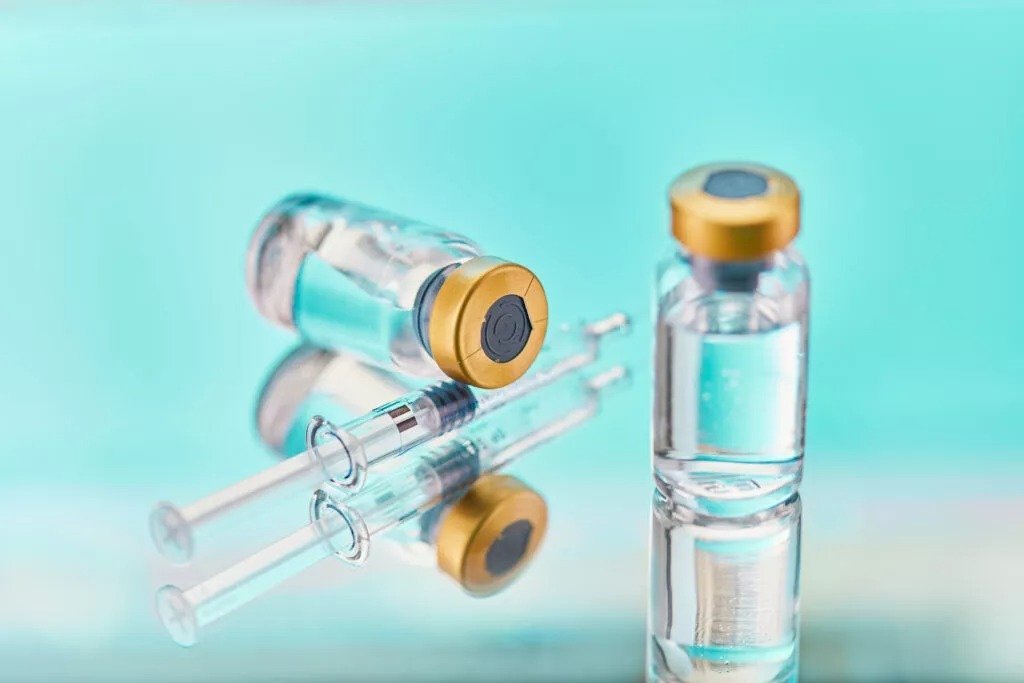
Vaccination programmes against flu and coronavirus are underway in Cyprus, with jabs available through General Health System (GHS) personal doctors or Ministry of Health vaccination centres across all cities.
Pneumococcal vaccines are being administered to specific population groups, while procurement of RSV vaccines, which affects dozens of children and some adults annually in Cyprus, is in progress.
Dr Christos Petrou, Associate Professor of Pharmacy at the University of Nicosia and member of the National Vaccination Committee, told philenews that vaccination “offers multiple benefits, including reduced risk of illness, hospitalisation, and death”.
While breakthrough infections can occur, studies show vaccination significantly reduces disease severity and symptom intensity.
However, Petrou noted increasing vaccine hesitancy following the pandemic, citing misinformation and concerns about EU vaccine procurement handling.

Across the EU, uptake of flu and Covid-19 vaccines remains low, with only two countries exceeding 78% coverage for flu vaccination in 2023-24, while overall vaccination rates ranged between 12% and 78%.
Cyprus currently offers two flu vaccines: Influvac sab-unit Tetra for the general population over six months old, and Efluelda, specifically for those over 60 years old, providing enhanced protection for older adults. For Covid-19, Cyprus has secured mRNA vaccines from Pfizer through EU mechanisms.

The health ministry is also pursuing procurement of RSV vaccines, with plans to secure approximately 3,000 doses through a joint European tender.
Available options include Beyfortus for infants, and RSVpref (Abrysvo) for pregnant women and those over 60.
RSV causes about 250,000 hospital admissions and 17,000 deaths annually among Europeans aged 65 and over.
Read more:

