


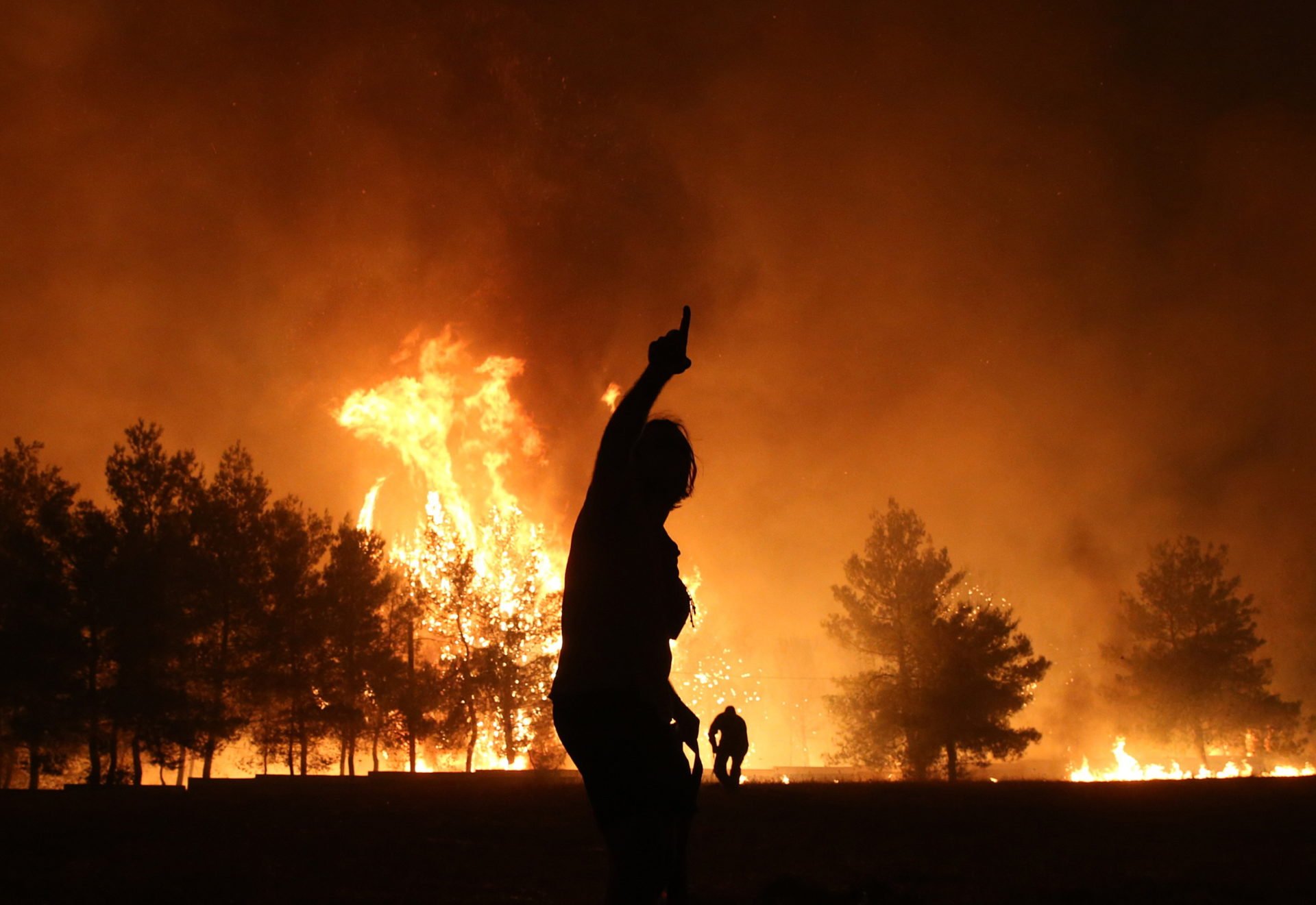
Police have increased patrols and made several arrests whilst investigating organised arsonists following last week’s destructive fires, as mental health experts explain the psychological factors behind deliberate fire-setting.
Clinical definition challenges conventional understanding
Psychiatrist Giorgos Mikellidis said the clinical definition of pyromania differs significantly from most arson cases. “The term pyromaniac describes an individual with compulsive attraction to fire, who experiences tension before the act and a form of relief or pleasure during or after it,” he told Philenews.
However, he noted that “not all those who set fires are pyromaniacs. Most arson cases have multiple motives: economic, vengeful, ideological or even personal validation.”
Psychological profiles vary significantly
Multiple factors drive arsonist behaviour, including feelings of powerlessness or “invisibility” within society, using fire-setting to attract attention.
“In other cases, there is anger or revenge for personal experiences, such as dismissal from work, personal rejection, conflicts with others,” Mikellidis said.
Economic motivations frequently underlie incidents. “Many fires are attributed to economic interests. They connect to redevelopment or land exploitation aspirations,” he noted.
Additional cases involve “ideological or terrorist backgrounds of the perpetrator.”
Perpetrator categories include:
- Personality disorder cases (antisocial or borderline characteristics)
- Low self-esteem individuals seeking control
- Intellectual disability or mental illness cases where impaired judgement drives behaviour
- Clinical pyromaniacs experiencing “internal tension and emotional release, similar to addictive behaviours”
Awareness levels determine legal responsibility
Most fire-setters maintain full consciousness of their actions. “Individuals who present these behaviours usually have complete awareness of their acts and, therefore, are not absolved from any responsibilities under the law,” Mikellidis confirmed.
Post-incident psychological responses differ among perpetrator types.
Clinical pyromaniacs “often experience temporary pleasure or a sense of completion. Subsequently, guilt or depression may follow, especially if the act had serious consequences.”
Organised arsonists demonstrate contrasting behaviour patterns. They “usually attempt to justify or rationalise their act. Few show genuine remorse, unless they face human costs.”
A third category “denies responsibility or disconnects from the consequences of actions as a form of psychological defence.”
Treatment approaches address root causes
Clinical intervention varies by perpetrator type. “When someone is a pyromaniac in the strict psychiatric sense, presenting impulsive attraction to fire without external motive, it involves an impulse control disorder. These individuals, when under psychiatric monitoring, can be restricted or helped through therapy,” Mikellidis explained.
Most cases involve deliberate action. “Most who set fires are not pyromaniacs. They act with intention, with motives ranging from economic interests and revenge to ideological or personal deficits.”
Psychological factors remain relevant despite criminal intent, including personality disorders, “unprocessed anger, trauma or feelings of social failure” and “inability to manage emotions or conflicts.”
Cyprus operates “anger management, empathy and social skills programmes applied in correctional frameworks” for intervention purposes.
Arson constitutes criminal behaviour with perpetrators aware of their actions, yet psychological elements influence the phenomenon.
“If we truly want to address the phenomenon, we must approach the issue – and these individuals – not only with legal means, but also psychosocially,” Mikellidis concluded.
Read more:

