


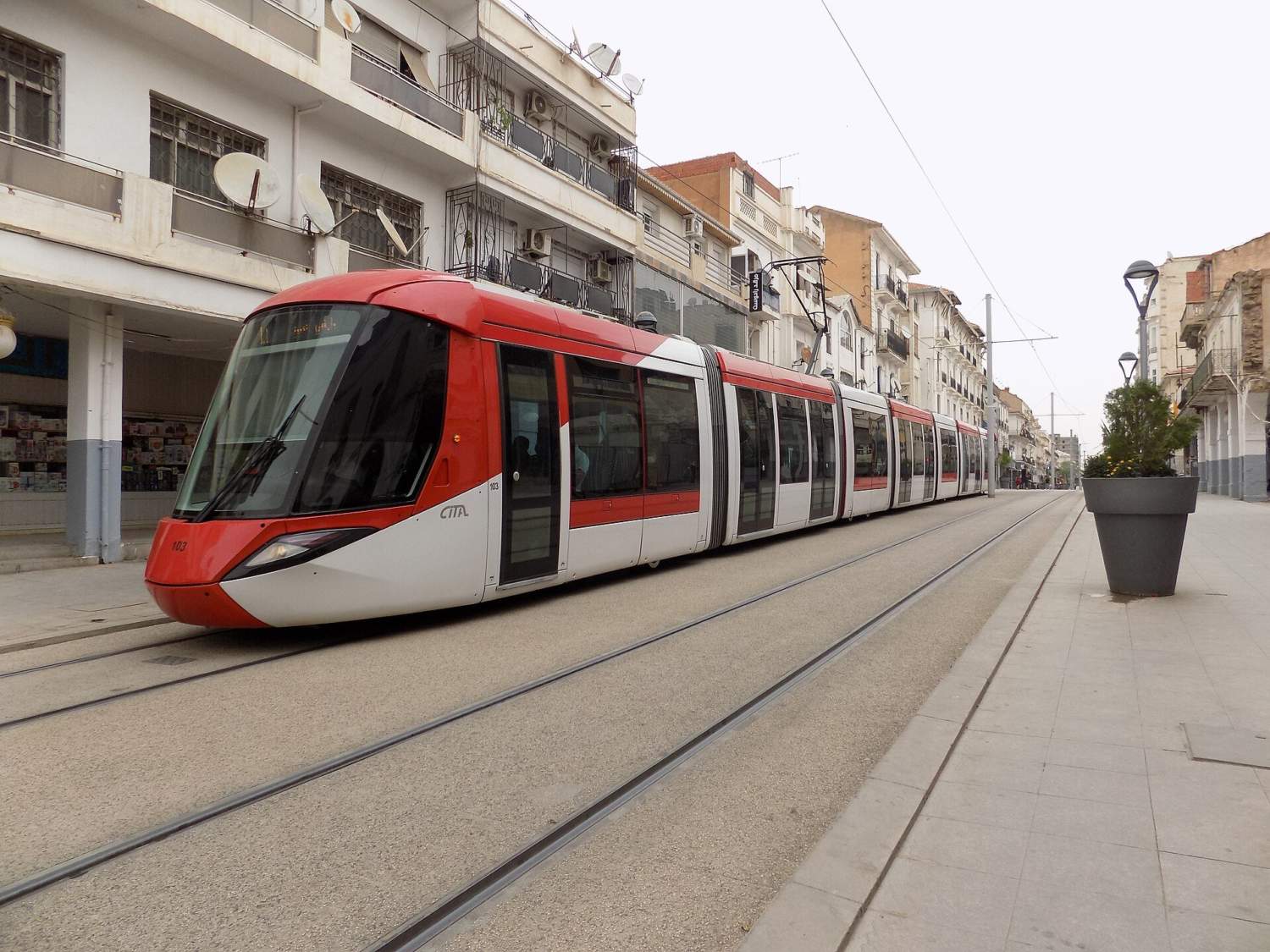
Nicosia Mayor Charalambos Prountzos has made the case for a tram of about 20 kilometres in the capital, at an estimated cost of 500 to 600 million euros, saying a study by the municipality had found in favour of the idea.
In a social media post responding to a Phileleftheros report, Prountzos said the study, carried out with a transport consultancy, covered a line of just over 14 kilometres, and that an extension of about six kilometres had since been examined under the new municipal leadership. The cost figure is a broad comparative estimate based on 25 to 30 million euros per kilometre, the rate for recent European projects such as the one in Marseille.
He put the tram forward as a new approach to fixed-track transport that regenerates public space and gives public transport the edge over private cars. The municipality was not claiming it would build a tram, he said, but “now is the time to examine the issue seriously”. The hard question, he said, is whether the tram should finally be properly assessed as a state investment or as a public-private partnership. “A sterile insistence on buses is not sensible, given the current situation,” he said.
Prountzos also linked the proposal to the municipality’s Lefkothea Energy Community initiative. Electricity is a major operating cost for trams, and being able to produce and use cheap renewable energy would make a tram more affordable and sustainable, he said.
The timing matters, he added, because the process for awarding new bus contracts is under way, and those contracts will shape mobility for the decade from 2030 to 2040. The current term of local authorities ends in 2029, but the issue needs long-term solutions.
Buses
It is commonly accepted that buses account for no more than 4 to 5 per cent of journeys, Prountzos said. Seventeen years after the system was introduced, and with a budget of more than 1 billion euros since then, their share remains far from the targets set in 2020.
Bus contracts are clearly not designed to attract passengers or improve their experience, he said, but the fundamental problem is the lack of infrastructure such as effective citywide bus-lane networks. Google Maps, which now includes bus routes, confirms that with few exceptions a bus journey takes twice as long as driving and is expensive. The experience on board is positive, but outside the bus it is below average.
He said the Sustainable Urban Mobility Plans had unfortunately already been made obsolete by the realities of spatial and urban planning. Buses would remain fully part of the picture as a complementary service.
Who is responsible
The worst problem, according to Prountzos, is the fragmentation of responsibilities. Local government has a negligible role, yet bears the environmental and political cost. Bus contracts are signed between the Transport Ministry and private companies without any involvement from municipalities, traffic is managed by the Public Works Department, and key urban projects fall under the Town Planning Department. If this situation continues, it will never solve the traffic problem, he said.
The municipality’s relationship with the ministry is not competitive and should be fully cooperative but clear, he said. He added that he particularly appreciated the minister’s recent invitation, at which the issue was discussed briefly among other pressing matters.
Public health and EU funding
Traffic poses a huge threat to public health, Prountzos said. It also threatens public finances through breaches of EU emissions obligations, particularly under the upcoming ETS 2, and it undermines the country’s development prospects. People spend 20 per cent of their waking time in cars, which also take up public space, and the high cost of buying and running a vehicle leaves people in transport poverty, he said. Air quality is the fourth-biggest cause of death in Cyprus.
The EU’s next co-funding period starts in about a year, so the discussion should already have begun, he said.

