


The Ministry of Health has been notified of the first case of West Nile Virus (WNV) in Cyprus for 2023, it said in an announcement on Tuesday.
The Ministry said that there is no need for alarm as the virus is not capable of being transmitted from person to person. Nevertheless, it is maintaining a state of vigilance and is implementing all necessary precautions, it added.
“Sporadic cases of WNV tend to emerge in Cyprus from time to time, primarily during the summer months,” the Ministry noted.
According to data from the Epidemiological Surveillance and Control Unit for Infectious Diseases (ES&CUID), one case was reported in 2016, one in 2018, and 24 cases in 2019.
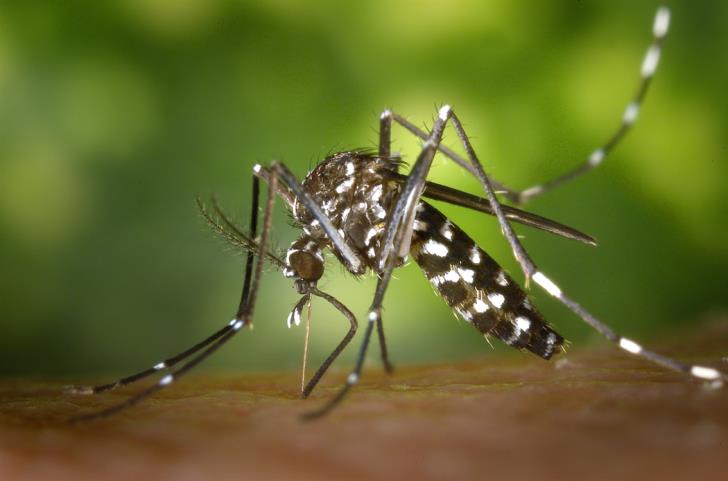
West Nile Virus is primarily transmitted through the bites of infected common mosquitoes. Those who become infected do not transmit the virus to others. WNV is not communicable from one person to another, and it does not spread through normal social interactions, sexual contact, or other forms of contact. Furthermore, it is not transmitted from infected patients to healthcare personnel. Following a mosquito bite, there is typically a period of 2-14 days, known as the incubation period, before symptoms become apparent.
In most instances, individuals who contract the virus do not display any symptoms or experience only mild ones. A very small percentage (less than 1%) may develop severe illnesses affecting the nervous system, such as encephalitis, meningitis, or paralysis. Those at a higher risk of developing severe illness are typically older individuals (aged 50 and above) and those with weakened immune systems or underlying chronic health conditions.
In June 2023, the European Centre for Disease Prevention and Control (ECDC) warned that there is an increasing risk of a number of mosquito-borne diseases in the European region, linked to the changing climate and the spread of mosquitoes carrying the viruses.
Read more:
Authorities releasing sterile male mosquitoes into the wild to control overpopulation

