


Obsessive Compulsive Disorder (OCD) affects up to 3% of people worldwide, according to Harvard Health Publishing. For one 22-year-old author, it shaped almost every part of his life for years before he even knew what it was called.
OCD is a mental health condition in which a person experiences persistent, unwanted thoughts that cause distress, and feels compelled to carry out repetitive behaviours or rituals to ease that distress. This cycle can, and often does, significantly disrupt daily life.
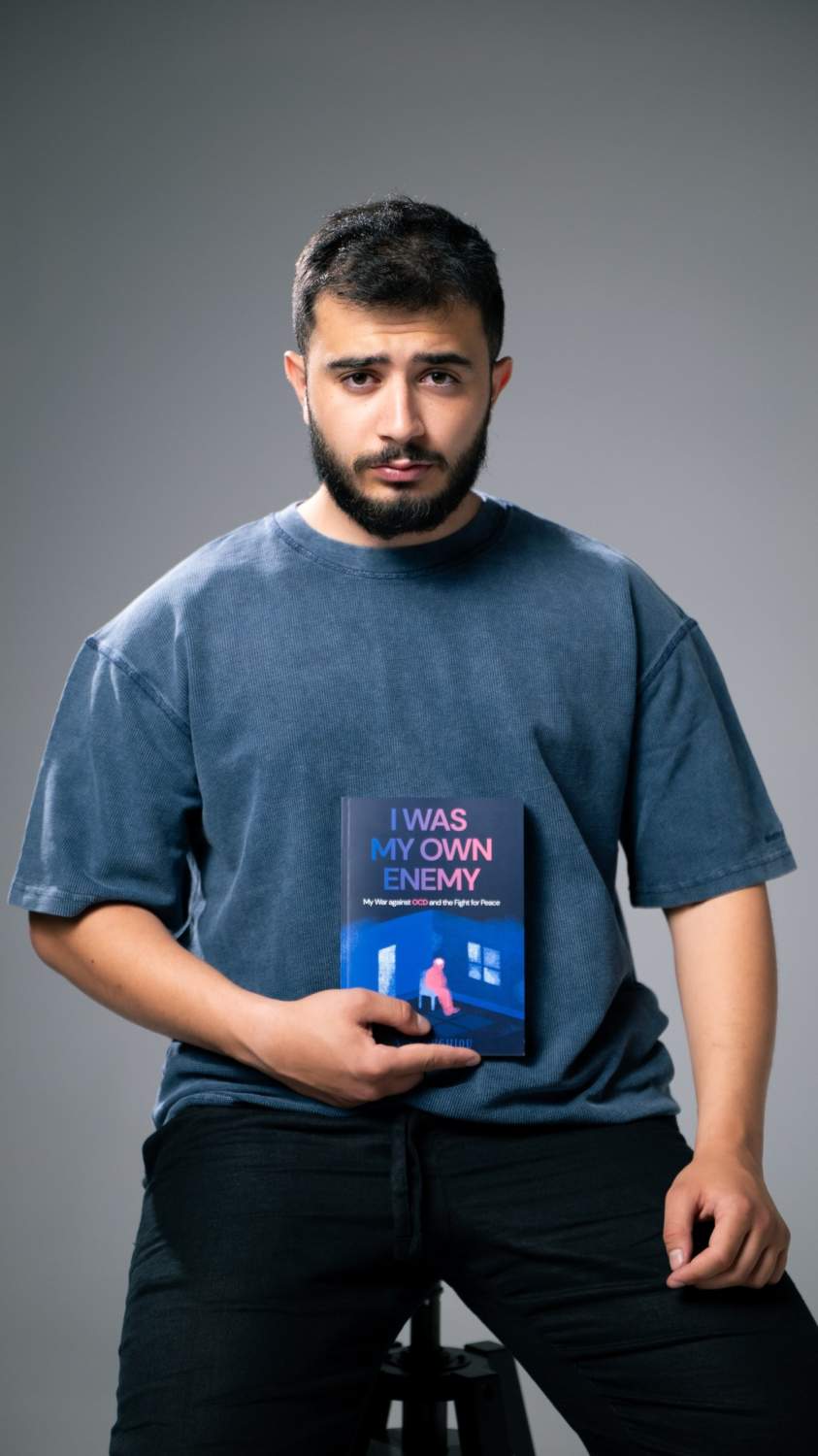
Yiorgos Georghiou has turned years of living with OCD into a memoir, hoping to become the person he needed when he was struggling and feeling alone. “I’m trying to be the hero and the voice I never had,” Georghiou said. He described spending years “suffering in the dark, smiling on the outside while collapsing on the inside,” and said he had come to accept that suffering as normal.
“I had normalised the suffering, I thought that was simply my life,” he said. His book is aimed at “anyone fighting those demons, the people who aren’t living their days, just surviving them,” he said, as well as parents who may need to recognise the signs in their child, who may not be able to speak the words out loud.
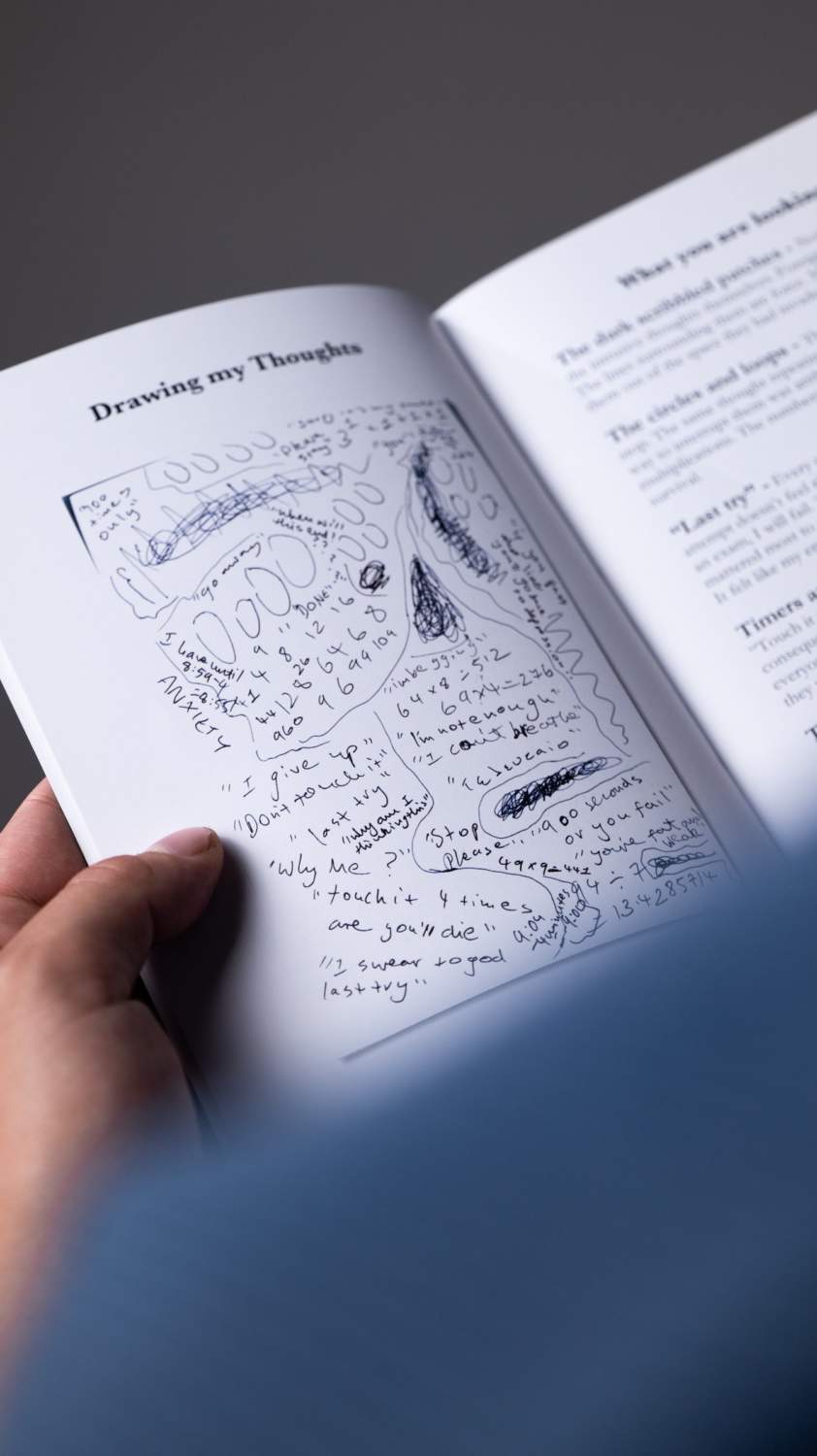
Obsessive-compulsive disorder is rarely what people think it is, Georghiou said. “Neatness, organisation, hand-washing… that’s maybe one percent of what OCD actually is,” he said. “It’s become a throwaway phrase. People who don’t have it say ‘I’m so OCD’ about liking a tidy desk, and without realising it, they’ve turned a disorder into a personality quirk.” The reality, he said, is “true pain, a true disorder”: intrusive thoughts that won’t stop, paired with a compulsion to complete specific rituals to stop them coming true. “The disorder convinces you that unless you complete certain rituals… those thoughts will come true or grow louder. So you obey,” he said. “It stops being living. It becomes survival, and you become dependent on the very rituals that are destroying you.”
Locked inside a mind at war
Georghiou said he did not learn the name of his condition until he was 21, despite having lived with it his whole life. He had believed the same stereotype as everyone else. “I thought OCD was about being neat and washing your hands,” he said. “I was living with a debilitating version of it my entire life, while believing OCD was something completely different.”
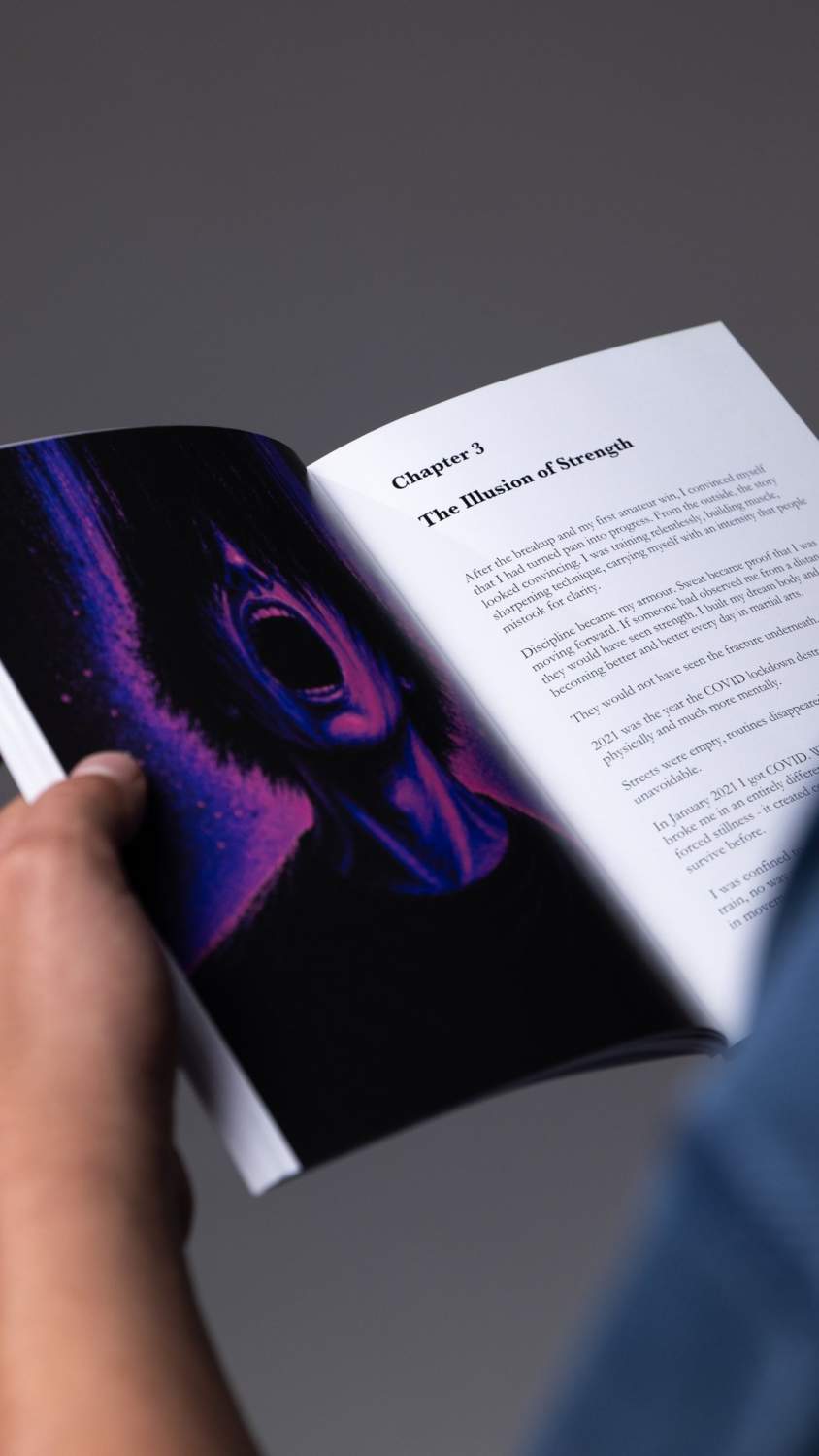
Reading the real symptoms for the first time was the moment that changed things. “I researched it and read the real symptoms, and there I was, on every page,” he said. He later discovered that his favourite artist, the American musician NF, whose songs about intrusive thoughts and anxiety he had connected with for years, also lives with OCD. “It proves the point,” he said, that “OCD hides in plain sight, even from the people who have it.”
Discipline as a way to fight back
As his symptoms worsened, Georghiou said it began taking things from him one at a time, including his ability to study, despite having always been a top student. “In exams I was leaving answers blank, because my mind was telling me that if I wrote them down, something terrible would happen to me,” he said.
Martial arts became the one place the noise stopped, he said. “Martial arts taught me that discipline of the body can become discipline of the mind,” he said. “Every session was a place where I tried to face those demons and erase them.”
He credited his coach, Marios Kokonas, directly. “If it wasn’t for martial arts and my coach Marios Kokonas, who taught me how to fight and how to control myself, I honestly don’t know if I would be here today,” he said.
Breaking the stigma in Cyprus
Georghiou said mental health awareness in Cyprus remains poor, and that people who speak up about their struggles are often dismissed, told to “just stop overthinking,” or people “quietly label them as ‘crazy’.” He pointed to his own military service as an example, describing it as the worst experience of his life, marked by sleeplessness and intensifying intrusive thoughts. He said new recruits undergo a full physical medical examination on their first day but are never asked a single question about their mental health, and argued that every recruit should see a therapist before starting service.
He said organisations such as the Mental Health Protection Association of Nicosia, led by Myria Antoniadou, had been fighting for greater awareness long before he began speaking publicly, and that he was proud his book had become part of that effort.
A message to others still fighting
Asked what advice he would give to someone silently battling the same condition, Georghiou pointed to acceptance. “Accepting that you have a problem is not a weakness or something to be ashamed of. It’s a privilege,” he said. “Acceptance is the door. Nothing else can start until you walk through it.”
He said the process of facing it eventually changes a person for the better. “You will admire yourself more than ever. You will be at peace even in your own company. You will mature, you will become resilient and you will stay humble,” he said.
The book
Georghiou’s debut memoir, “I Was My Own Enemy: My War Against OCD and the Fight for Peace,” was released in May and reached No. 1 in new releases in its Amazon category. It has also sold out several times at Solonion bookshop in Nicosia.
Georghiou, though, said the response has stayed with him more than the sales figures. “What stays with me are the messages, the reviews and the phone calls,” he said. Parents have told him they finally understood what their children were going through, he said, and people he had known for years admitted they too had been silently struggling. “That’s when you realise how many people around us are fighting wars we know nothing about,” he said.
“I truly feel this is a book everyone needs to read,” he said. “Not because it’s mine, but because it’s real. There’s no filter in it.”
“For years I fought this war alone, in silence, convinced that no one could ever understand me,” he said. “Today, that same war is the reason strangers stop feeling alone.”
Georghiou said he still thinks of the boy he used to be. “This book is for him and for everyone still sitting in that room,” he said. “The door opens.”
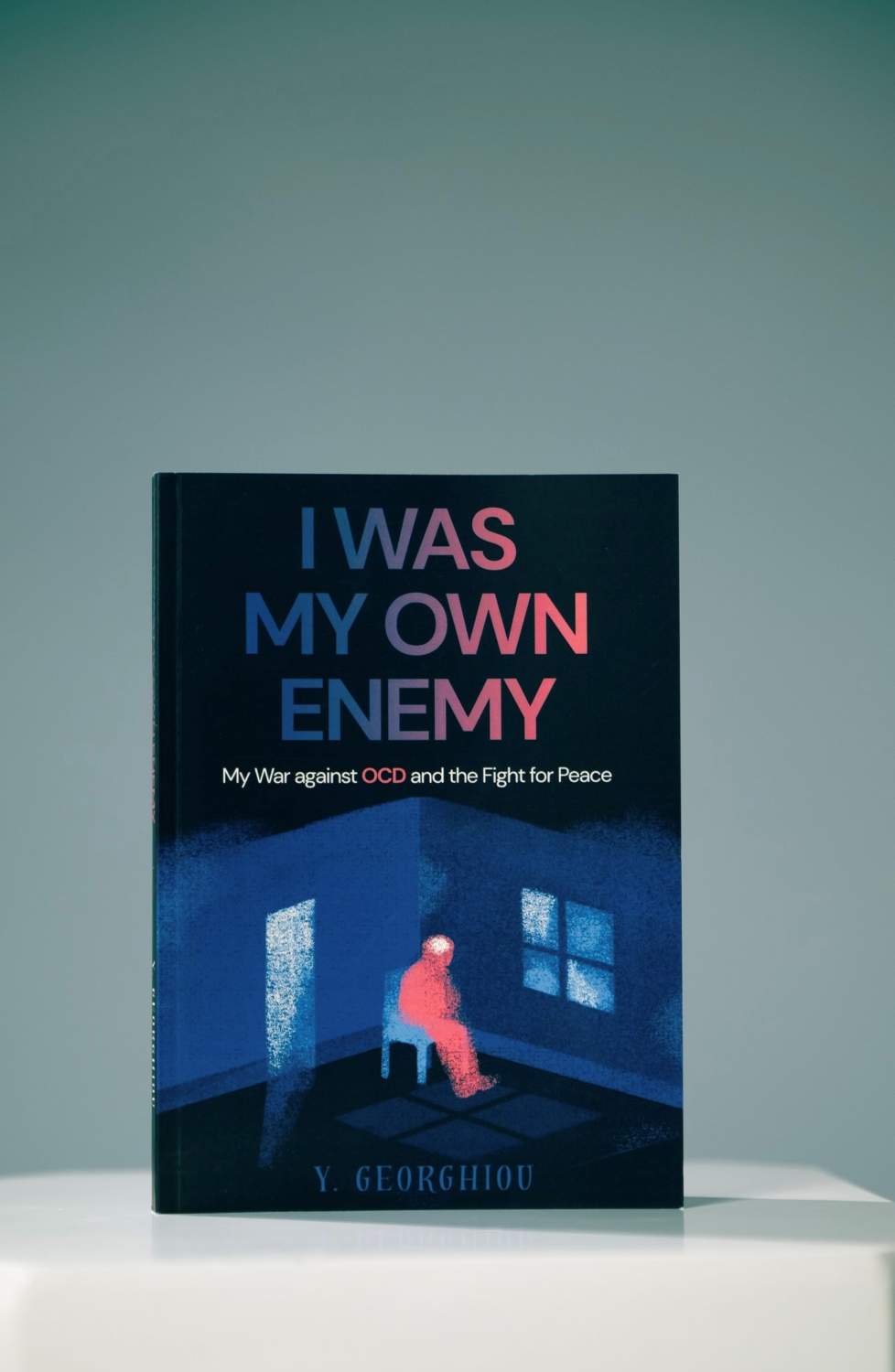
Self-published
Pages: 149
Price: €20.00
Read more:

