


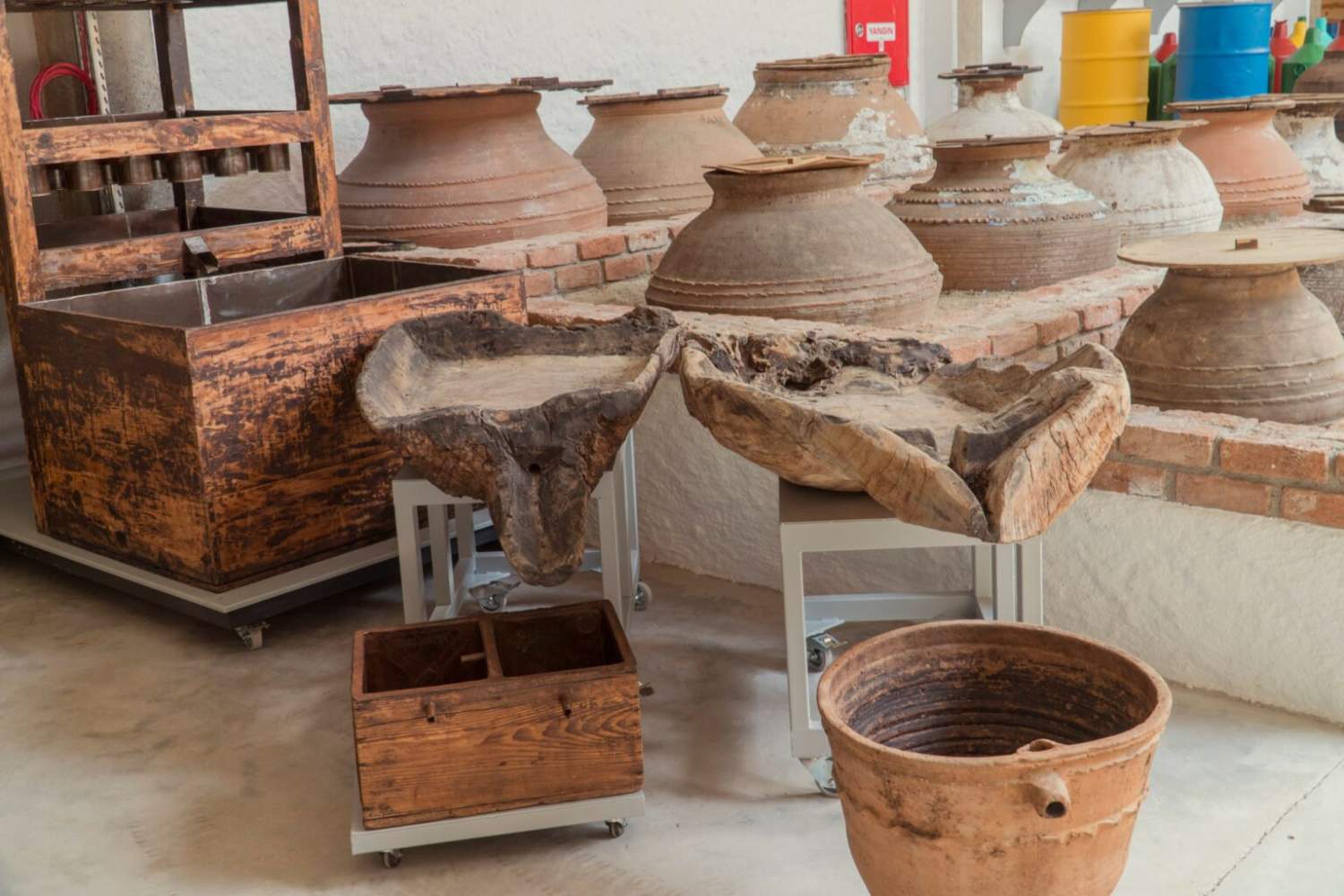
A Limassol woman whose son handed police two boxes of ancient artefacts has been acquitted of failing to declare them. However, the court ordered the items to be handed to the Department of Antiquities for safekeeping.
The Limassol District Court found her not guilty of possessing antiquities without notifying the Director of Antiquities with an inventory. The court said there was reasonable doubt over whether all or only some of the inspected antiquities had been recorded. That question, it said, goes to a necessary element of the charge.
The case came to light in January 2020. Her son took two boxes containing 20 antiquities to police and said his mother had kept them without declaring them as the law requires. Police then searched her home with an archaeologist from the Department of Antiquities present, and found antiquities from the Bronze Age and the Hellenistic and Roman periods.
The undeclared items handed to police included Bronze Age jugs, a flask and an amphoriskos, perfume vessels from the Hellenistic or Roman period, and four ancient coins. They also included terracotta fragments of an ancient figurine, part of a stone statue and a stamped amphora handle. The search of the house turned up pottery fragments from various periods, a Bronze Age jug and a Roman-Hellenistic funerary stele. Other antiquities that had been declared were returned to their owners.
Licence application in 1996
In her statement, as cited in the ruling, the woman said she was surprised that some items had not been declared, as she believed all of them were held legally. She said the objects had been in the family home since the 1980s.
She said that after a change in the law in 1996, she applied for a licence through her husband. An official from the Department of Antiquities then visited the house and recorded the items. She said she understood the official had recorded everything. She did not rule out that some items had been left off by mistake, however, and said this was the only possible explanation for some remaining undeclared.
The court accepted that she had sent the department a letter in 1996 asking for her antiquities to be regularised. Judge Christia Middleton said the letter identified a certain number of items. However, she said it did not prove that there were no other items in the house, or that the items which could have been pointed out during the later site visit were limited to those in the letter.
Archaeologist’s evidence
The court stressed that the acquittal had nothing to do with how the evidence was presented. Instead, it turned on the testimony of the archaeologist. According to the court, she did not have the relevant duties, or full information and access to the data, to give evidence capable of meeting the elements of the offence. The court added that the offence, under section 33(3), was not straightforward when examined in full.
It also said criminal liability arose from possessing an unregistered antiquity, not from a personal failure to meet an administrative obligation that applied for a specific historical period.
Items to stay with the department
Despite the acquittal, the court ordered that the objects identified as antiquities be handed to the Department of Antiquities for safekeeping. It said this did not amount to confiscation. The items can be returned to the woman only if the competent bodies establish, through the proper procedures, that the legal conditions for owning them privately are met.
The court also ordered a specialist scientific examination of the coins. Any coins that are found not to be antiquities are to be returned to her.

