


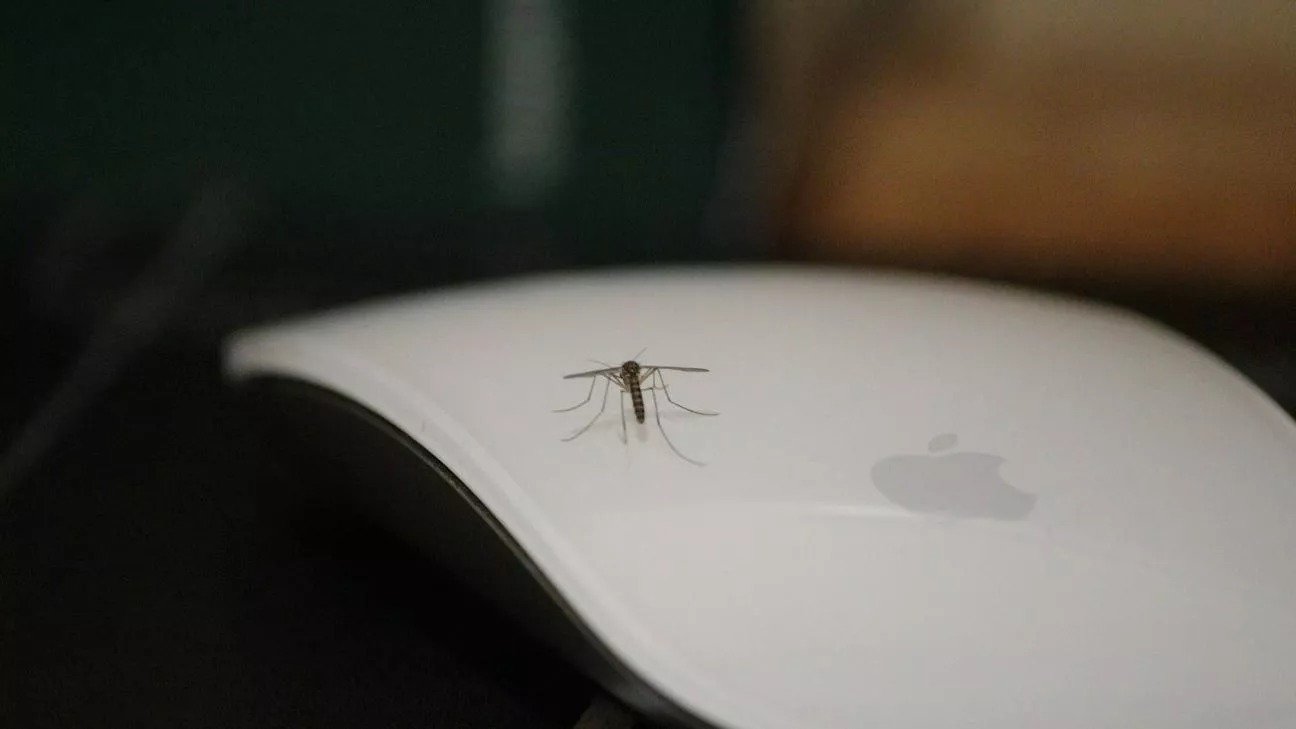
Larnaca municipality has launched an intensive door-to-door campaign to combat a surge in mosquito complaints from residents living near the Salt Lake area, with health officials warning that disease-carrying species are now present in Cyprus.
The municipality’s Health Department sprays standing water, storm drains and urban rivers every 10-12 days using biological insecticides approved by the Ministry of Agriculture, according to officials.
Both municipal and provincial health teams are visiting homes to identify breeding sites and inform residents about prevention measures.
Standing water around the Salt Lake provides breeding grounds for mosquitoes, but spraying inside the protected area itself is prohibited, the department told philenews. Spraying is confined to the perimeter of the lake.
The municipality has placed traps throughout the area, with the Ministry of Health conducting regular checks to determine whether the mosquitoes pose a public health threat. Tests are carried out on samples to identify whether disease-carrying species are present.
Beyond common mosquitoes, residents are also being bitten by sandflies – locally known as “silent mosquitoes” – and other insects that live in trees, hedges and decaying leaves.
Home breeding sites fuel problem
The mosquito problem stems from two sources, according to the municipal Health Department spokesperson. Insects can breed and multiply inside homes, where officials have identified plant pots, water containers left exposed for days, tyres and small fountains as common breeding sites.
“The campaign is year-round and covers the municipal districts under our jurisdiction, namely Livadia and Voroklini,” the spokesperson said.
Health Ministry teams are continuing a door-to-door campaign specifically targeting the Aedes aegypti mosquito, informing the public about control measures.
The department warned that even minimal amounts of standing water in any objects or spaces around homes are sufficient for mosquito breeding, particularly given current favourable temperatures.
High-risk sites identified
Officials have identified several locations requiring particular attention:
Disused swimming pools remain a major concern, along with old septic tanks not properly sealed after properties are connected to the central sewerage network. Construction site excavations also provide breeding grounds.
Old tyres, water storage barrels, unused tanks and blocked storm drain grilles in building ramps and basements where water collects pose risks. Flowerpot saucers, tanks or containers with aquatic plants like water lilies also harbour mosquitoes.
Stacked tyres at outdoor tyre repair shops or garages require particular vigilance. Old tyres must be removed regularly by licensed companies. If tyres remain on site for extended periods, they must be kept in covered areas or under covers to prevent rainwater collection.
Cemetery flower vases where water remains stagnant for long periods also breed mosquitoes. The water should be changed every seven days, according to officials.
The mosquito species now present in Cyprus can transmit infectious diseases to humans, including Yellow Fever virus, Dengue Fever, Zika virus and West Nile virus.

