


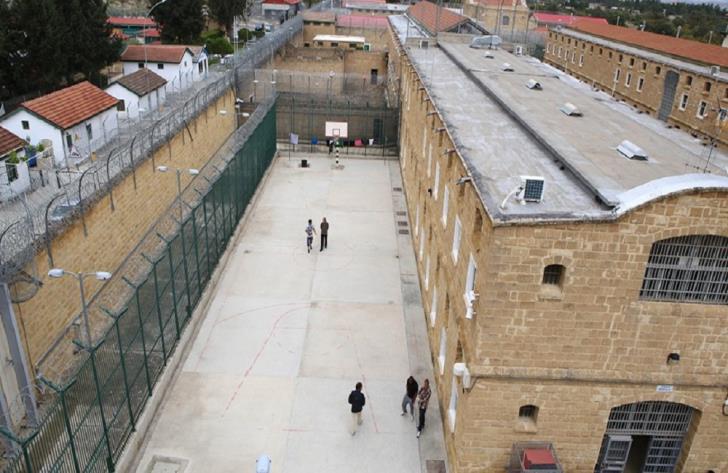
In 2021, a law was passed specifying that children who committed crimes would be kept outside traditional prison facilities.
However, even before the full enactment of this law, a subsequent bill has been introduced. According to this new proposal, children will now be held within conventional prisons until January 1, 2026.
Concerns have arisen due to the protracted delay in establishing a detention space separate from standard prisons, with estimates suggesting it might take up to five years. This situation has now caught the attention of relevant authorities.
The decision to confine children within regular prisons is attributed to the failure in timely arrangements for the creation of a suitable detention space outside conventional prison settings.
One contributing factor to the legislative setback was the provision of private security guards for supervising minors. This particular provision faced opposition from lawmakers who argued that such a service should be administered by public prison guards.
The explanatory report accompanying the bill, titled “Children in Conflict with the Law (Law 55(I)/021),” outlines the legislation’s original intent, aiming to establish a juvenile justice system that is supportive of young offenders and addresses juvenile delinquency through non-judicial procedures and alternative treatment measures.
According to the report, imprisonment is considered a last resort and is to be imposed by the juvenile court only when other non-judicial avenues have proven ineffective.
The law introduces a significant reform by establishing a dedicated detention space for children outside conventional prisons. This space is expected to have a rehabilitative, educational, therapeutic, and “proactive” character, adhering to international and European standards.
Individuals aged 16 to 21, either sentenced by the court or in pre-trial detention for crimes committed or potentially committed before the age of 18, will be housed in this specialised space.
Despite the law allowing for the establishment of this space within prisons for a one-year transitional period, it has not been operational within the stipulated timeframe.
Following a Cabinet decision on July 30, 2021, the former Minister of Justice and Public Order was authorised to take necessary actions to find or create a specialised detention space for children, following public procurement procedures.
The Ministry of Justice and Public Order then formed a special technical committee to prepare the terms and specifications for the space.
A drafted decree allowed the security of the space to be handled by a private security service, but during parliamentary discussions on funding for the space’s operation, concerns were raised by MPs about the government’s intention to entrust security to the private sector.
Acknowledging these concerns, an amendment was made to keep the responsibility for guarding the space within the public sector. The 2023 budget included and approved 12 positions for prison guards, which were subsequently released for recruitment in the coming year.
In response to the Law Office’s recommendation, a “regulatory framework” for the space’s operation was prepared. The final text was submitted to the Law Office on October 2, 2023, for legal review.
Meanwhile, the “Juvenile Court,” in a decision on a specific case, drew attention to the absence of a specialised detention space outside conventional prisons.
The report acknowledges that, given the expected delay in establishing a separate detention space for children, the Ministry of Justice and Public Order has prepared a bill to amend Article 119 of the Children in Conflict with the Law of 2021 (Law 55(I)/2021).
This amendment would allow for the temporary use of a specially designed space within the Central Prisons for the detention of children sentenced to imprisonment until the dedicated children’s detention space is operational, with a deadline not exceeding January 1, 2026.

