


The Department of Environment is running a tender for a 34-month contract to plan and oversee the removal of invasive alien plants from the Diarizos and Karkotis rivers, two Natura 2000 sites. The project is part of an action plan to combat invasive alien species and protect sensitive water ecosystems and the island’s biodiversity, and is co-funded by the EU’s THALIA 2021-2027 programme.
Invasive alien species are among the main threats to biodiversity worldwide, as they are introduced outside their natural range and put severe pressure on local plants and wildlife. Because it is an island with rich and distinctive biodiversity, Cyprus is especially vulnerable to invasions by alien plant and animal species.
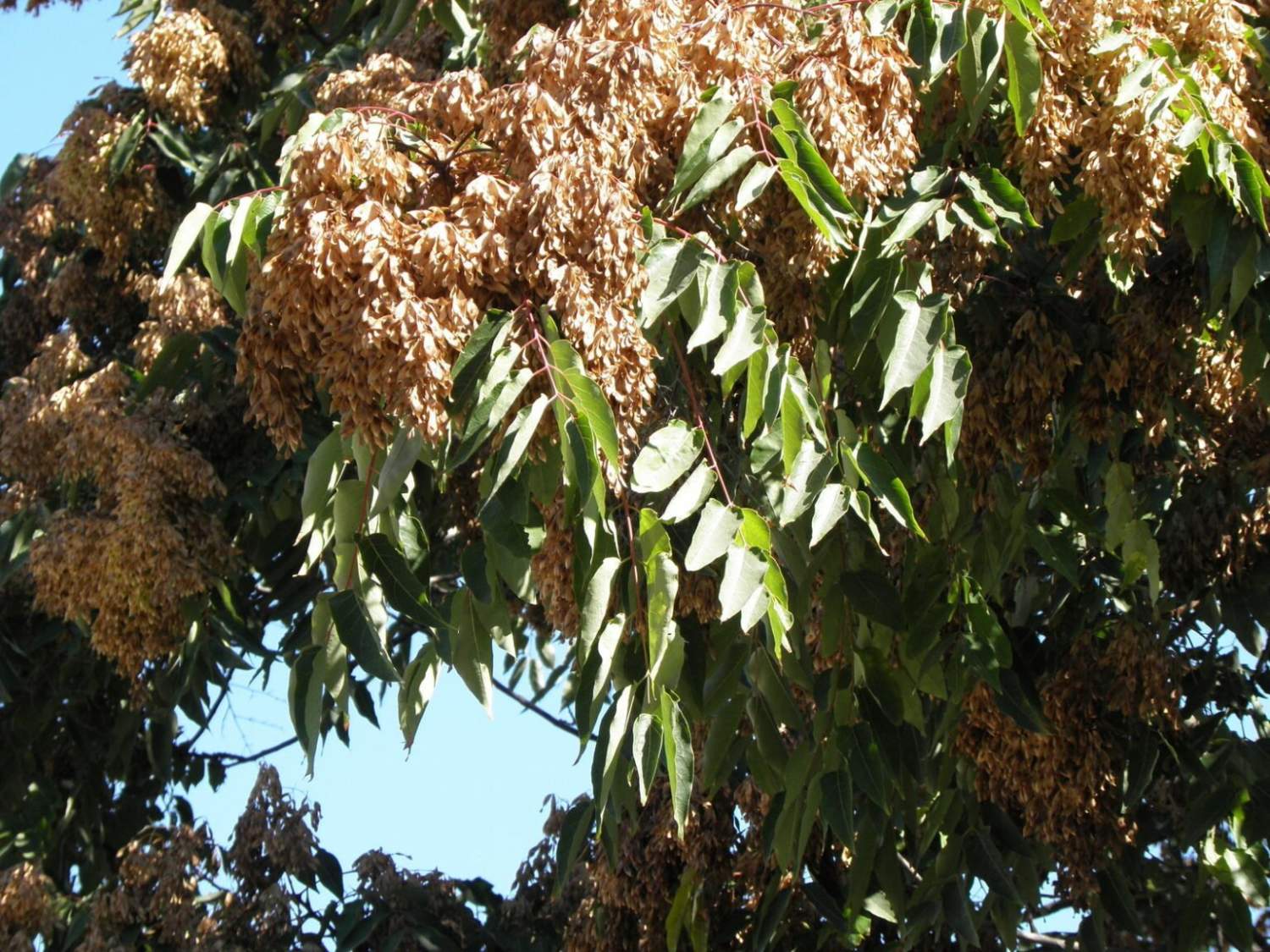
According to the tender documents, the contract focuses mainly on two dangerous plant species, the tree of heaven (Ailanthus altissima) and black locust (Robinia pseudoacacia). It also covers competing vegetation such as giant reed (Arundo donax), common reed (Phragmites australis), holy bramble (Rubus sanctus) and hopbush (Dodonaea viscosa), where they pose a direct threat to native habitats or grow in small, manageable stands.
The project covers the study, design, supervision and coordination of the removal work, as well as the restoration and strengthening of habitat types at the two sites. Work will be strictly limited to the riverbeds, which are state land within protected Natura 2000 areas.
On the Diarizos, the work covers the stretch that starts at Milikouri and runs along and within the Paphos Forest Special Area of Conservation (SAC) and the Diarizos Valley’s Special Protection Area (SPA) and SAC. On the Karkotis, it covers the river along and within the Karkotis Valley SAC.
The contract is divided into two phases. The first covers recording and mapping the current situation, including digitally, and marking out the intervention sites on the ground. It also includes setting removal and restoration methods and preparing technical specifications for a later tender to award the work to a contractor.
The second phase covers technical support and monitoring while the contractor carries out the fieldwork, staff training and, finally, a full study assessing how effective the approach has been, with a view to applying it more widely in the future.
Invasive plants already established on the island include various eucalyptus species, coojong (Acacia saligna), black locust and the tree of heaven.

