


The Interior Ministry has issued self-protection guidelines to help the public prepare for the risk of hostile action and take timely precautionary measures.
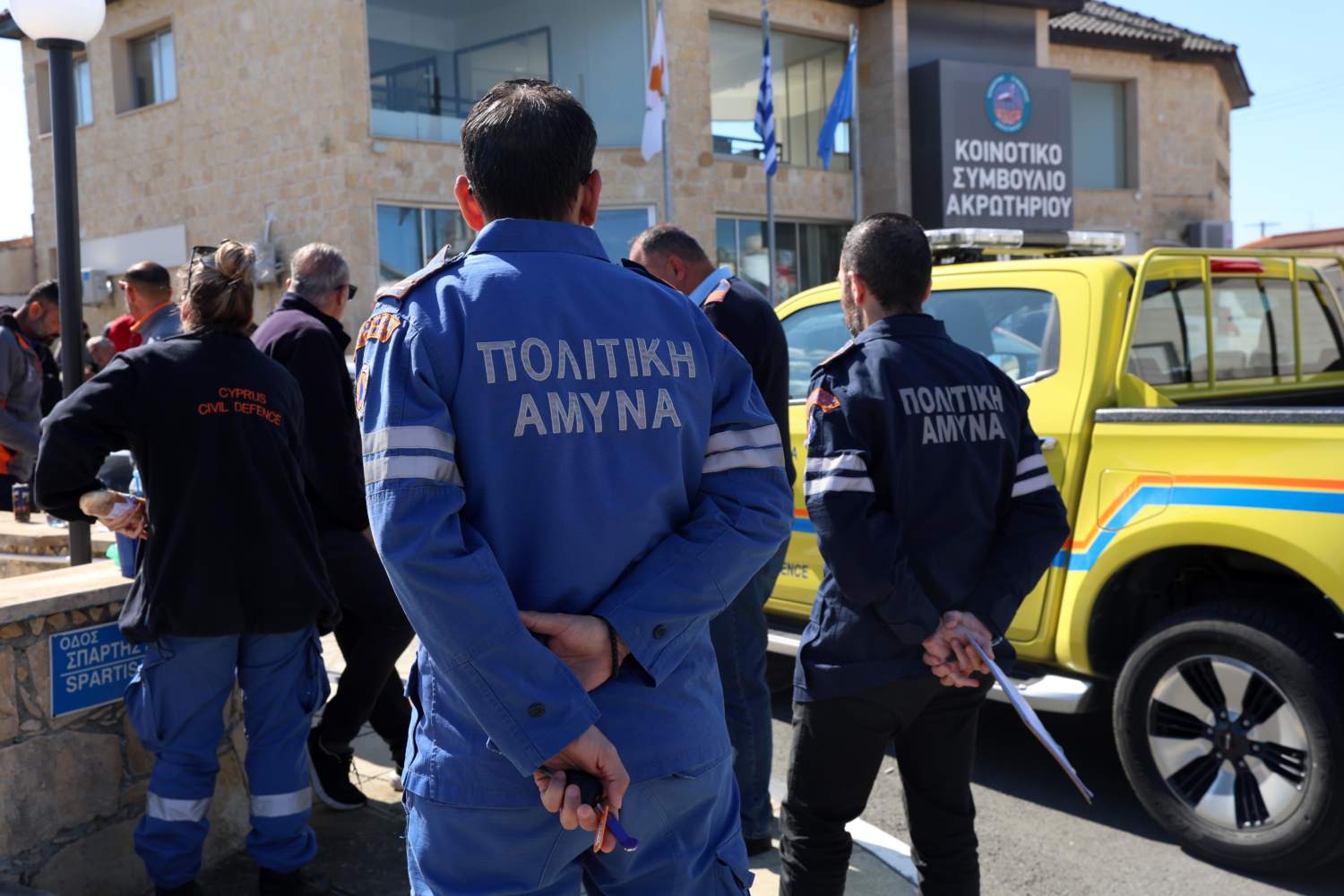
In urban areas, authorities will sound sirens in affected districts and instruct residents to move to shelters or designated temporary protection areas in the event of an emergency. Civil Defence sirens serve as an immediate warning system in cases of serious or widespread danger, aiming to alert and mobilise the public so they can act to protect themselves. Trained Civil Defence neighbourhood wardens patrol affected areas and guide residents as needed.
Authorities activate sirens only when an immediate or imminent threat requires rapid mass notification. A fluctuating tone signals the start of an alert and indicates danger, requiring immediate protective action. A steady, continuous tone signals the end of the alert and means the immediate threat has passed, although residents should remain cautious and continue to monitor official updates.
Anyone who hears a siren should remain calm and avoid panic, seek information from reliable sources such as radio, television, and official social media channels of the competent authorities, and refrain from spreading rumours or unverified information. Residents should prepare to move to a safe location or shelter if instructed and avoid unnecessary travel. They should follow all directions issued by Civil Defence and other competent authorities.
Civil Defence shelters protect from blasts, debris, and other hazards, and are intended for short stays until the danger passes. Residents are advised to identify in advance the nearest shelter to their home or workplace through the SafeCY application or by contacting the Civil Defence Operations Control Centre at 22 403 451 or 22 403 452. Movement to shelters should take place in an orderly manner without panic. People must follow instructions from those in charge and must not leave shelters without authorisation from the competent authorities.
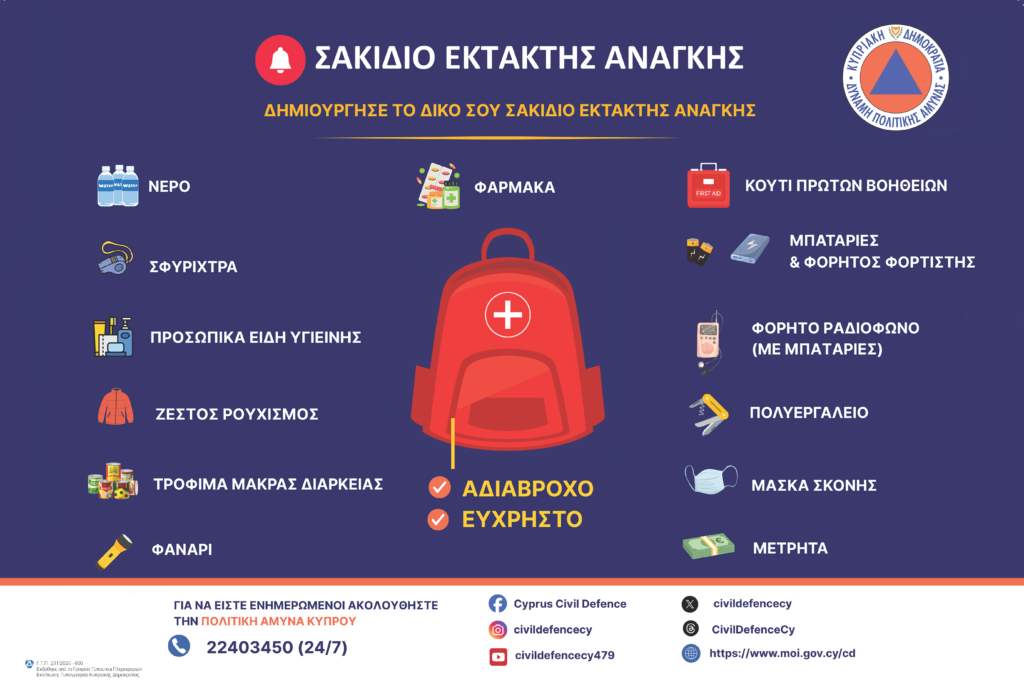
Anyone required to move to a shelter should take identification or essential documents, a small amount of cash, water, dry food and baby food if needed, first aid supplies, essential or prescribed medication, and a torch, a small portable radio, and batteries.
If no shelter or designated protection area is available nearby, residents should identify a space inside their home or workplace away from windows, doors, and glass. They should keep a portable radio, torch, and essential supplies such as water, dry food, medication, and a first aid kit. When an alert sounds, they should lie face down and cover their head with their hands. If outdoors, they should again lie face down, cover their head, and, where possible, seek cover in a gully, ditch, or hollow. In all cases, they should remain calm and follow official instructions.
For communities neighbouring the British Bases and Paphos Airport — specifically Pyla, Ormidia, Xylofagou, Xylotymbou, Timi, Anarita, and Mandria — Civil Defence has drawn up precautionary evacuation plans. Community councils and deputy mayors have been informed. As a preventive measure, residents have been or will be notified today by local authorities via WhatsApp, Viber, or text message of locations that may operate as temporary protection areas if required. Civil Defence personnel will staff these sites to guide and assist residents and ensure their safe accommodation.

