


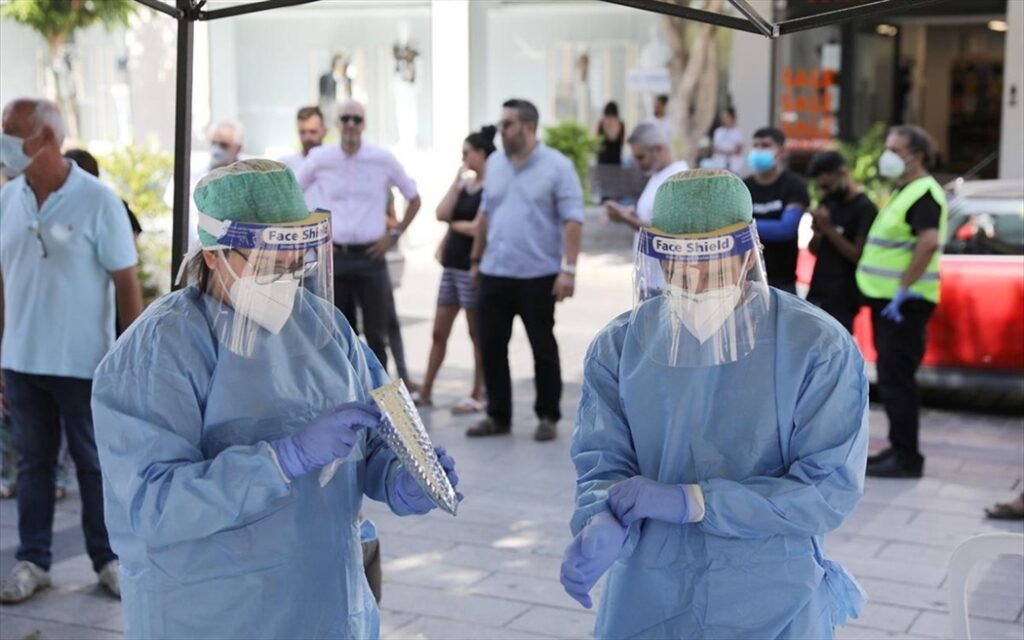
Five years have passed since the first COVID-19 lockdown was imposed on the nine million residents of Wuhan, China.
On 12 January 2020, the World Health Organisation (WHO) confirmed that a novel coronavirus was the cause of a respiratory illness in a cluster of people in Wuhan, which was reported to the WHO on 31 December 2019. The virus was spreading with a fast transmission rate, therefore Chinese authorities decided to impose a lockdown, which the WHO described as “unprecedented in public health history”.
Cyprus
Cyprus reported its first COVID-19 cases on March 9, 2020, in Limassol and Nicosia, prompting government measures to curb the virus’s spread. Initial responses included strict lockdowns, travel restrictions, and a phased reopening strategy.
Travel restrictions and lockdowns
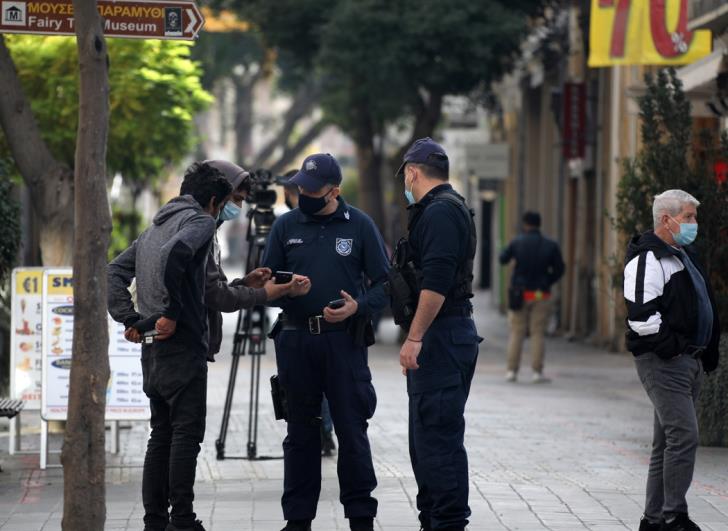
During the pandemic, Cyprus implemented multiple lockdowns to control the spread of the virus. The first nationwide lockdown began on March 15, 2020, following the closure of all borders to non-nationals. Then, in response to a surge in cases, a partial lockdown was imposed on the Limassol and Paphos districts on October 22, 2020. Subsequently, regional lockdowns were enforced in November 2020, followed by a prolonged nationwide lockdown with nighttime curfews in early 2021.
Travel restrictions evolved over time. As of three months ago, fully vaccinated travellers could enter Cyprus without testing requirements, while unvaccinated tourists were required to present a negative PCR or rapid antigen test.
Vaccination campaign
The country’s vaccination drive began in late December 2020, in line with the European Union’s timeline. By early 2021, the campaign was in full swing, significantly reducing hospitalisations and fatalities. Despite this progress, Cyprus continued to grapple with surges in infection rates, reporting an average of 2,200 daily cases in December 2022.
The pandemic exacerbated existing social inequalities in Cyprus. Studies indicated clear socioeconomic disparities in vaccine hesitancy and coverage, with lower educational attainment and income levels associated with higher hesitancy.

Mental health issues
The pandemic had significant impacts on mental health. A study conducted until June 2020 indicated a case fatality rate of 2.6% in Cyprus and highlighted the effects of social isolation measures on the population’s mental well-being.
Healthcare workers faced substantial mental health challenges during the pandemic. Despite the country’s relatively low infection rates, healthcare workers reported significant psychological burdens. Notably, nurses exhibited increased symptoms of depression and post-traumatic stress disorder (PTSD).
University students in Cyprus also experienced notable psychological effects due to the pandemic. Research indicated a prevalence of psychological symptoms, including anxiety, insomnia, somatic complaints, and depression, during the first lockdown.
Domestic violence
The pandemic period saw a rise in domestic violence cases in Cyprus. Helplines registered an increase in calls by more than 30%, indicating heightened domestic tensions and the exacerbation of pre-existing issues during lockdowns.
Economic impact
Cyprus’s economy, heavily reliant on tourism, faced significant challenges due to global travel restrictions. The tourism sector experienced a substantial decline, leading to reduced revenues and affecting related industries.
In response, the government implemented several fiscal measures to support the economy and maintain social cohesion. These included state aid schemes approved by the European Commission, providing financial assistance to businesses and self-employed individuals.
The pandemic’s impact on employment was uneven across sectors. Industries such as tourism and hospitality experienced notable declines in employment due to reduced demand and operational restrictions. However, sectors like information technology and e-commerce saw increased activity, leading to employment growth.
Long Covid
In April 2022, patients experiencing long-term COVID-19-related symptoms established Long Covid Cyprus under the Cyprus Federation of Patients’ Associations. This organisation now comprises over 500 members and collaborates with healthcare professionals from various specialties to support affected individuals.
Cyprus has also become a destination for individuals seeking treatment for long COVID. Notably, some private clinics offer apheresis, a blood-filtering procedure intended to remove inflammatory proteins and lipids. However, the efficacy of apheresis for long COVID remains under investigation, and experts have raised concerns about the lack of robust evidence supporting its use.
A documentary titled “Re: Treating Long Covid in Cyprus” explores the experiences of patients undergoing such treatments on the island.
Fatalities
As of December 15, 2022, Cyprus reported an average of 2,200 daily infections, reflecting the ongoing presence of the virus. By October 28, 2022, the country had confirmed a total of 657,086 recovery cases.
The total number of deaths due to COVID-19 in Cyprus stands at 1,365 as of January 22, 2025.
As of January 22, 2025, Cyprus has reported a total of 1,365 deaths due to COVID-19.
Read more:

