


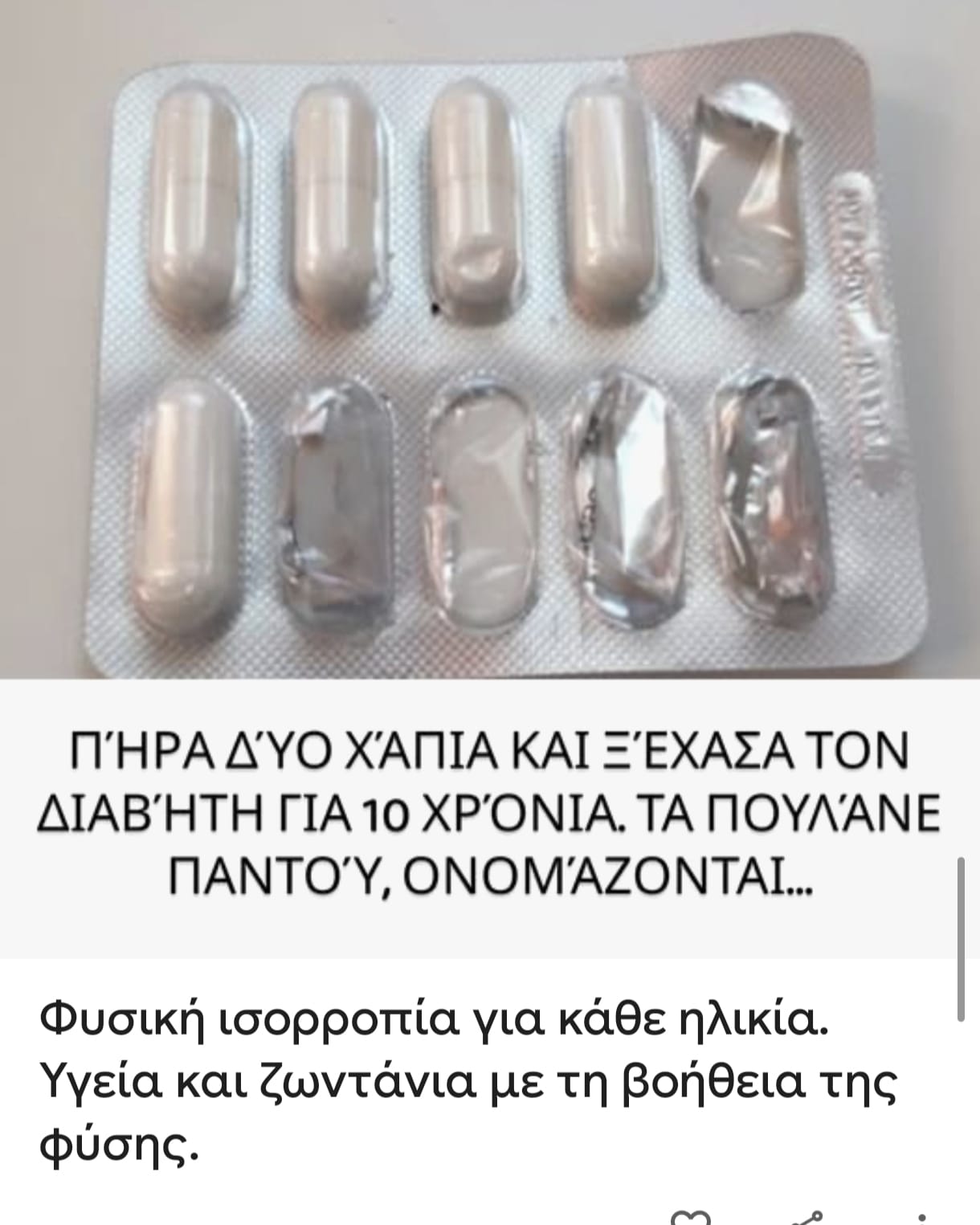
Health authorities and scientific bodies across Europe and internationally are scrambling to respond as the easy-money industry targets diabetes sufferers, flooding the internet with unregulated pills, drops, injectable preparations and devices that promise to “eliminate” a condition affecting tens of millions of people worldwide.
Online adverts increasingly promise “natural solutions” that make diabetes disappear. Some tout miracle pills, others drops or devices that “regulate” blood sugar without medication.
The barrage of misleading adverts has taken over the internet in Greece as well. Some of these advertising messages pose serious dangers for diabetics who might be tempted. “Throw away your insulin! Two drops of this cheap drug eliminate all types of diabetes within 12 hours. Available at any pharmacy.”
Another message circulating in recent months urges patients to use pills: “I took two pills and forgot about diabetes for 10 years. They sell them everywhere…” whilst a third promises to eliminate diabetes: “Do this before you sleep and diabetes will disappear forever.”
The links directing users to these adverts vary, though the result is almost always the same. By paying online, you can secure the product being marketed.
Even worse, in some cases these products are presented as having approvals from relevant national authorities or, in some instances, regulatory bodies such as the European Medicines Agency or the US FDA. The truth is somewhere in between, as a regulatory authority may approve the circulation of a preparation (most of them dietary supplements), without the approval covering its “miraculous” action.
Over the past two years, and with greater intensity in the past six months, this phenomenon has attracted international media attention whilst relevant organisations have issued statements warning of potential dangers.
On 29 September 2025, medical network Medscape revealed the use of artificial intelligence (deepfake) in videos showing fake doctors promoting “natural therapies” for diabetes, encouraging patients to abandon their treatment, a phenomenon described as a “dangerous new form of deception”.
Health Canada warned on 27 June 2025 about a flood of unauthorised glucose metres and “smart devices” sold online, noting they may give incorrect readings and lead to dangerous diabetes management decisions.
Similar cases were detected in New Zealand, where a report on 1 June 2025 revealed deepfake adverts with “doctors” promoting non-existent products as diabetes cures.
Diabetes Canada, in a statement on 22 May 2025, denounced websites that illegally used its logo to promote “approved” herbal products with no scientific backing, whilst on 5 March 2025, technology outlet Engadget presented an extensive report on the appearance of AI-manipulated videos using the voice and image of known scientists to promote supplements promising “reversal of diabetes”.
The World Health Organisation issued a warning on 20 June 2024 about counterfeit drugs used in treating diabetes and obesity, stressing they may contain incorrect substances or doses, posing serious health risks, whilst on 3 September 2025, the European Medicines Agency announced a “dangerous increase” in illegal diabetes and weight-loss drugs circulating online, noting most websites operate without licences and without oversight from relevant authorities.
The general message from all organisations that have already responded refers to patient safety. No independent research has confirmed the effectiveness of preparations marketed online, whilst some contain substances that may interact dangerously with diabetes regulation drugs.
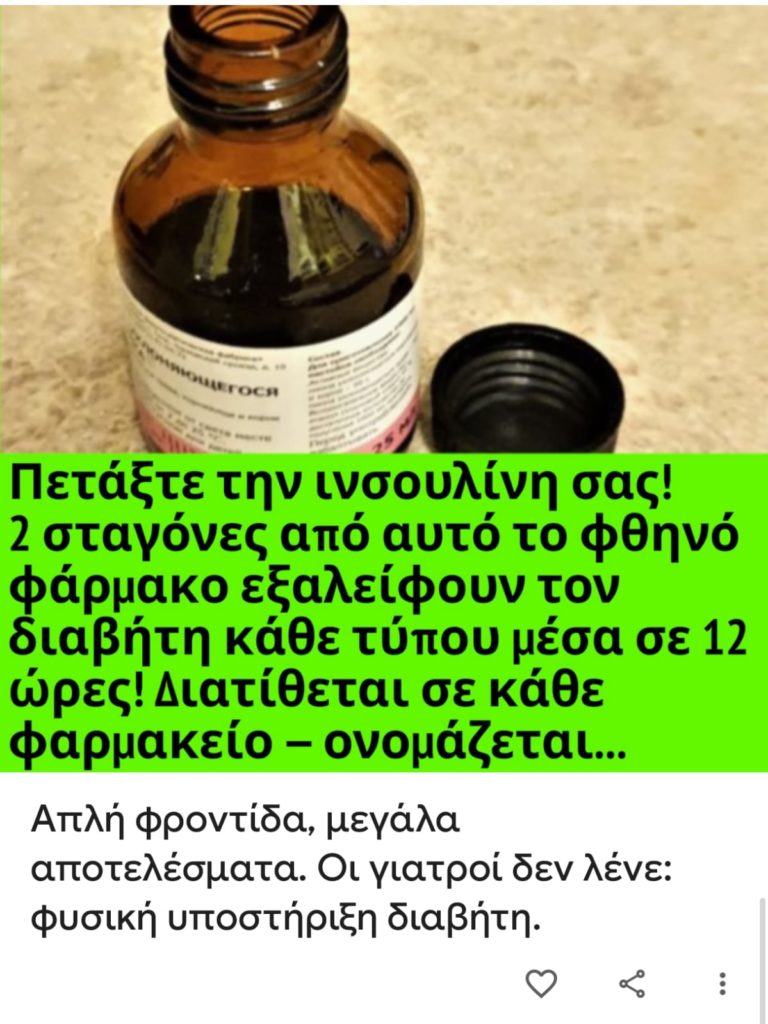

Be careful: Some have invested in the problem
Diabetes doesn’t disappear – there are medical methods that delay it which certainly aren’t circulating and offered online
Over the past decade, pathologist-diabetologist Panagiotis Dimosthenous told Phileleftheros, the pharmaceutical industry has engaged in a race to discover and then make available its preparations to patients due to the large number of new diabetes diagnoses recorded internationally.
Inevitably, many others followed the same path, either promoting simple dietary supplements, herbal ones for example, which may possibly help regulate diabetes in combination with drugs since they contain substances such as simple cinnamon or almonds, or manufacturing devices of dubious quality that promise complete regulation, misleading ordinary citizens.
Unfortunately, Dimosthenous continued, when a person suffers from diabetes they seek easier solutions to get rid of it. Indeed, medicine and science have developed some methods, invasive and non-invasive, which can delay the development of diabetes, such as bariatric interventions which help reduce a person’s weight and function as a protective shield delaying its appearance. They don’t eliminate the predisposition, they don’t change a person’s heredity or genes.
However, this cannot be achieved with drops or pills or whatever else circulates unregulated on the internet. A dietary supplement with mainly herbal substances may help, depending on those substances, in a person’s effort to regulate their diabetes. But it cannot free them from insulin dependence, nor can it eliminate diabetes when the person has already developed it and lives with it.
Warning
Many advertising messages circulating on the internet and social media invoke doctors’ “refusal” to “reveal” how miraculous the promoted products are because they’ll lose profits from prescribing drugs. This is a well-crafted myth that distances the patient from their doctor.
A citizen can turn to their pharmacist to be properly informed and we can certainly use technology. If you run such an electronic link through a simple artificial intelligence application, it will automatically tell you it’s a misleading message without scientific backing.
Stopping or replacing medical treatment with such products, Dimosthenous stressed, can lead to sudden and serious dysregulation of blood sugar, and the basic principle for everything concerning our health is: we don’t procure anything from the internet, from non-approved websites (recognised online pharmacies) or without a doctor’s indication and monitoring.

