


Unusual rain in August, including hail in some areas, has created ideal breeding conditions for mosquitoes in Cyprus, and the insects are now biting during the day rather than early morning or evening, according to microbiologist Dr Petros Karayiannis.
“It now rains quite a lot in summer too. Rivers come down, so water pools in potholes and riverbeds, and this is an ideal breeding ground.” There is serious concern, he said, because the mosquitoes now bite during the day rather than early morning or evening. “The bite causes inflammation, and sometimes it takes a long time to go away,” he said.
He said the trend was linked to climate change, and that such weather events would become increasingly frequent and intense.
Dr Karayiannis repeated his advice to use insect repellents, long-sleeved clothing, repellent candles or special bracelets to protect against bites. A fan can help those not using air conditioning at night, he said, since circulating air can make conditions less favourable for mosquitoes. He also said any containers of water should be removed, particularly from house yards.
Disease risk in Cyprus
He said the only disease-carrying mosquito found in Cyprus is the one that carries West Nile virus. Cyprus is not like the southern European countries, Italy, France and Spain, which have cases of chikungunya virus and mosquitoes that carry yellow fever or dengue fever, he said. “For us this is a remote scenario, and only imported cases could occur, so I don’t believe the risk exists,” he said.
Even diseases of the past, such as malaria, already have a vaccine and medication available, he said, though they could return to some countries if the relevant mosquito species spread there.
He noted that the tiger mosquito, which can transmit disease, has arrived in Cyprus, but said he hoped for a harsh winter to reduce its numbers.
Dr Karayiannis said the European Union and the European Centre for Disease Prevention and Control (ECDC) needed to focus on surveillance and scientific work on diagnostics, rapid testing and the possible development of vaccines or antiviral drugs. “I believe we will have a problem in future because of the climate crisis,” he said.
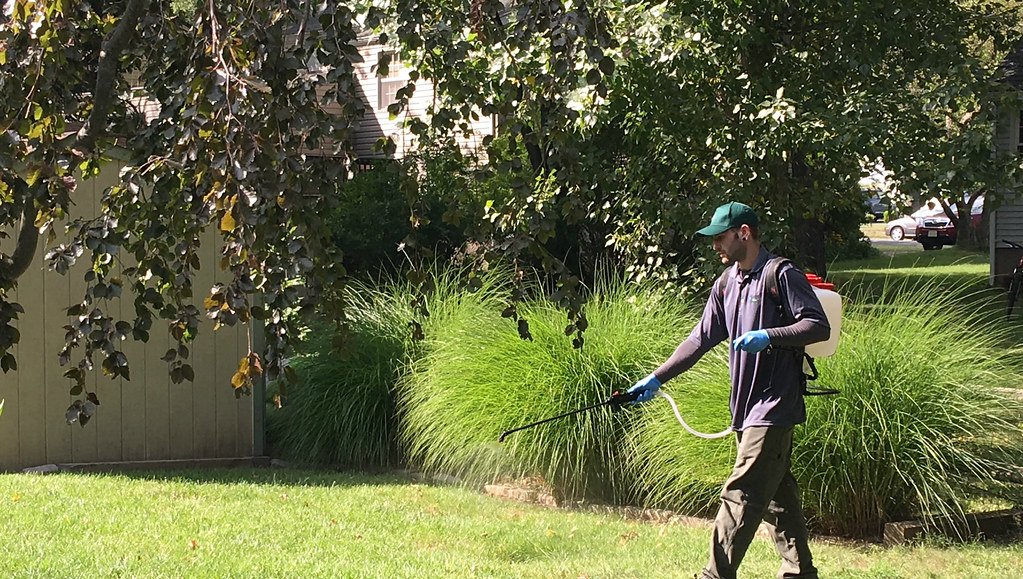
He said local authorities were doing what they could with spraying, but that there were remote mountain areas without access. It would be better, he said, to focus on residential areas, such as near the Linear Park in Nicosia, where standing water provides an ideal breeding environment.

