


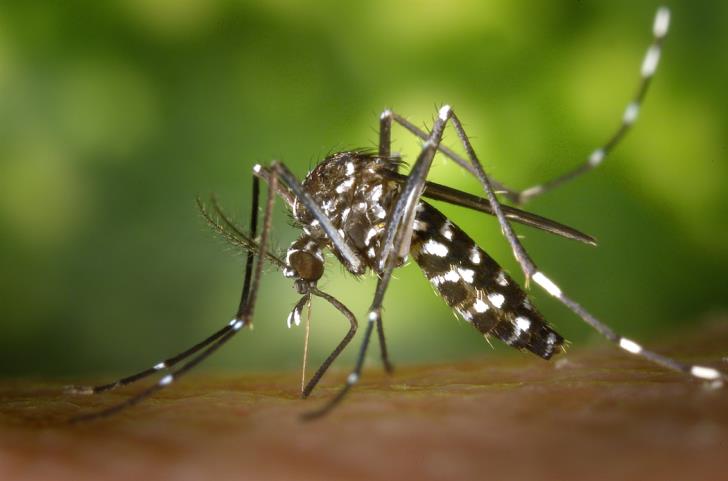
The prevalence of mosquito-borne diseases such as dengue, West Nile virus, and chikungunya is increasing across Europe, driven by climate change and global travel.
The European Centre for Disease Prevention and Control (ECDC) reports a significant uptick in cases. In 2023, there were 130 locally acquired dengue cases in the EU/EEA, nearly doubling the total from the previous decade. Imported cases also surged, with over 4,900 reported in 2023, the highest since EU-level surveillance began in 2008.
West Nile virus infections are also on the rise. In 2023, 713 locally acquired human cases were reported across nine EU countries, resulting in 67 deaths. Notably, 22 regions reported infections for the first time, indicating a broader geographical spread.
The World Health Organisation reports millions of deaths annually from mosquito-transmitted infections, with over one billion people infected by mosquito bites each year.
The expansion of mosquito species like Aedes albopictus and Aedes aegypti into new territories is a contributing factor. Aedes albopictus, known for transmitting dengue, chikungunya, and Zika viruses, is now established in 13 EU/EEA countries. Aedes aegypti, a vector for yellow fever, dengue, chikungunya, and Zika viruses, has recently established itself in Cyprus.
Climate change plays a significant role in this trend. Warmer temperatures and altered precipitation patterns create favourable conditions for mosquito breeding and virus transmission. Additionally, increased international travel facilitates the introduction of these viruses into new regions.
“Mosquitoes can be carriers of viruses and parasites that transmit diseases such as malaria, yellow fever or West Nile fever, cases of which have increased in Greece in recent years, while we have also had cases in Cyprus,” Constantinos Tsioutis, scientific advisor to the European Commission for Infection Control, told Phileleftheros.
The European Centre for Disease Prevention and Control (ECDC) regularly monitors outbreaks in the EU, recently reporting on a Chikungunya outbreak in parts of France and tracking cases of dengue fever and West Nile virus across member states.
Climate change and increased global mobility have significantly contributed to the spread of these infections worldwide, as mass transportation facilitates the migration of infected mosquitoes, according to health experts.
“The increase we have observed over the last decade is largely due to population movement and migration, as mosquitoes travel with people,” Tsioutis said.
Health authorities recommend preventive measures including using insect repellents, wearing light-coloured clothing during outdoor activities, avoiding dawn and dusk excursions when mosquitoes are most active, and using mosquito nets over beds, especially for children.
For home protection, residents are advised to empty standing water from flower pots, watering cans, fountains, swimming pools and other containers, install protective mesh screens on doors and windows, repair damaged sewage covers and water tanks, maintain garden vegetation, and water plants only during morning hours.
Vaccines are available for some mosquito-borne diseases including yellow fever and encephalitis, while antimalarial drugs can provide protection against malaria.
Tsioutis advised travelers to high-risk countries to seek preventive treatment well before departure to allow sufficient time for immunity to develop.
Read more:

