


Cyprus has invested millions of euros creating Marine Protected Areas but continues failing to implement effective measures against illegal fishing, threatening both environmental destruction and the economic viability of private and state investments.
The Cyprus Diving Centres Association warns that without substantial action, serious damage will occur to the economic sustainability of investments made by private individuals, tourism businesses and the state itself.
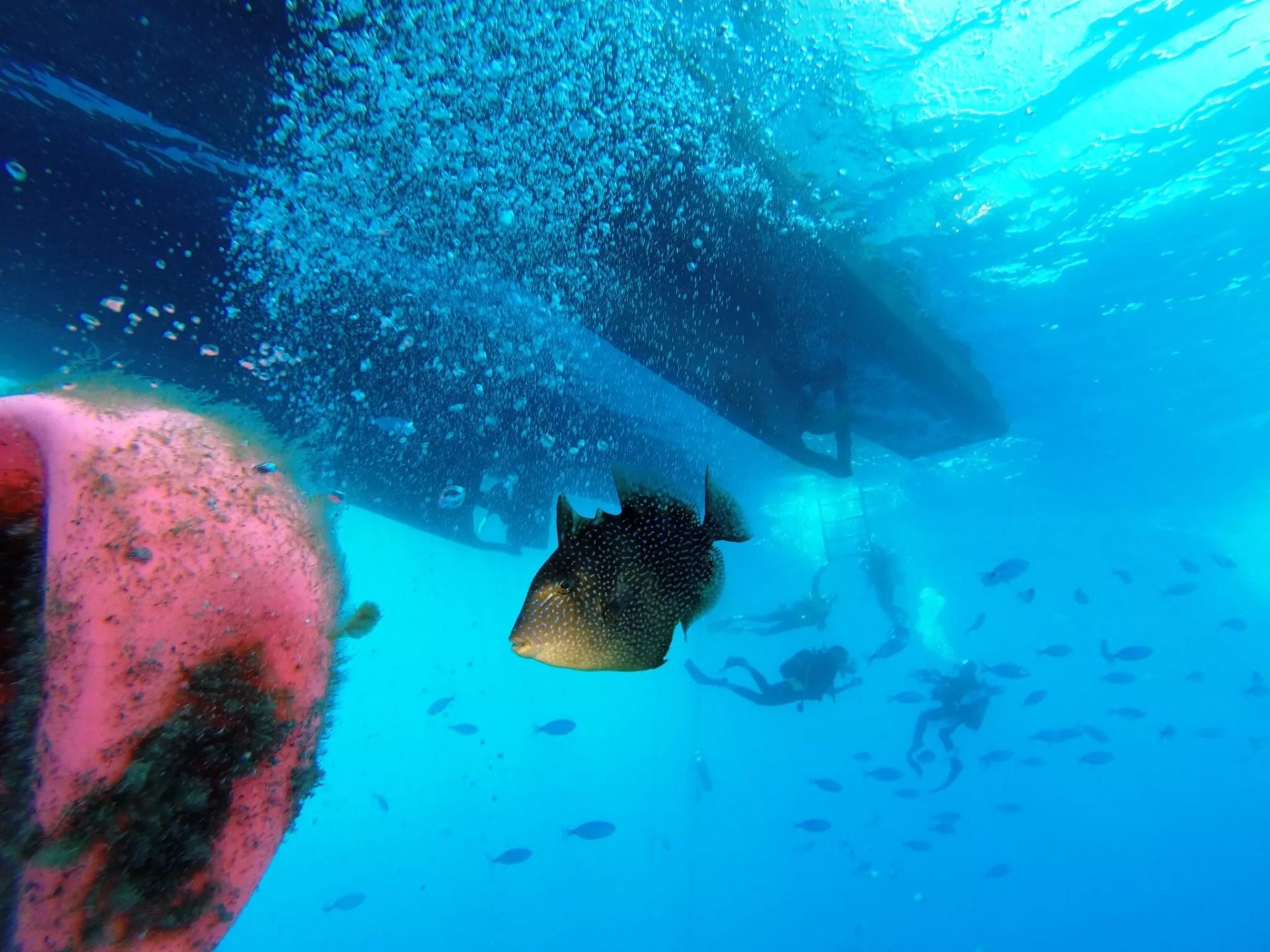
Key examples include the Marine Protected Area in Larnaca Bay containing the Elpida, LEF1 and Lamboussa II wrecks and the area housing the famous Zenobia wreck, which attracts thousands of divers annually.
Both Larnaca Tourism Development Company and diving schools have warned for years about illegal fishing impacts in both areas, requesting increased patrols.
The issue resurfaced last month through a letter to the Agriculture Minister from the Diving Centres Association citing “numerous testimonies from members and visitors proving the presence of fishing vessels or fishermen in areas where fishing is explicitly prohibited”.
The letter requested intensified controls and policing of areas, plus fines for violators.
Andreas Panayiotou, owner of Zenobia diving school, told Phileleftheros that fishermen approaching the wreck are visible from shore.
“Diving at Zenobia occurs from 9am until 2pm. After that time, any vessel there has another purpose, usually related to illegal fishing. Specific individuals fish illegally there and are visible from Finikoudes. We see them every evening until 6-7am. It’s as if they don’t want to solve the problem”.
15 years of complaints
Larnaca Tourism Development and Promotion Company has made continuous representations for action following complaints for 15 years.
“Both public and private sectors invest in these areas. These actions cannot be torpedoed by phenomena like illegal fishing, about which representations have been made for years, since patrols proved unsatisfactory,” said ETAP director Nana Asmeni.
She noted that the Fisheries Department, Tourism Ministry and local authorities have invested for years in enriching Marine Protected Areas and enhancing diving interest.
“Larnaca is gradually developing diving areas, given we have Zenobia, considered one of the world’s most important wreck diving sites”.
The area has been enriched with amphora installations and artistic interventions to maintain growing diver interest, including photographer Michalis Pantelides’ exhibition, repeated annually with panels showcasing Larnaca’s marine wealth.
Technology solutions delayed
Diving schools and other bodies have long requested technology use to achieve 24-hour Marine Protected Area surveillance. However, no such measures have been implemented, and existing decisions are deemed inadequate by results.
The Department of Fisheries and Marine Research refers to decisions for artificial intelligence use in the coming months.
In response to complaints and the diving centres’ letter, the department claims it has not received official complaints from the association but has periodically received information about Oroklini Marine Protected Area.
The department notes that “fisheries activity control faces serious understaffing problems, affecting both inspectors and support staff.”
For definitive problem resolution, it has tendered a specific study for fisheries control sector restructuring and hired five temporary inspectors, five rangers for certain areas, and eight personnel under service contracts for fisheries activity surveillance since 2022.
The department claims Larnaca Marine Protected Areas are “monitored to a significant degree,” with approximately 300 annual patrols averaging since 2023. These produced just one complaint two years ago for illegal spearfishing near the Elpida wreck.
Following the agriculture minister’s letter, a meeting occurred on 14 July between the diving centres association and the fisheries department, which requested complaints be brought before it.
The department said it was studying technological solutions and had completed artificial intelligence surveillance studies but required a cost-benefit evaluation, operational assessment, human resources for immediate response, and examination with the Personal Data Protection Commissioner, possibly requiring legislative modifications over coming months.
Under the agriculture minister’s instructions, new illegal fishing measures were activated, including public awareness campaigns, investigating surveillance mechanism reinforcement with additional personnel, enhanced cooperation with involved bodies, and targeted meetings with organised groups.

